RTICO
RTICO

The investment potential of historic buildings
Historic buildings are not only witnesses to past eras, but also attractive long-term investment properties. Their historical value and unique features make them interesting to potential tenants and buyers and can provide long-term rental income or appreciation.
But acquiring and renovating such buildings requires careful financial planning. In addition to the cost of acquiring the property, renovation or restoration work as well as potential financial risks and challenges must also be taken into account.
But acquiring and renovating such buildings requires careful financial planning. In addition to the cost of acquiring the property, renovation or restoration work as well as potential financial risks and challenges must also be taken into account.

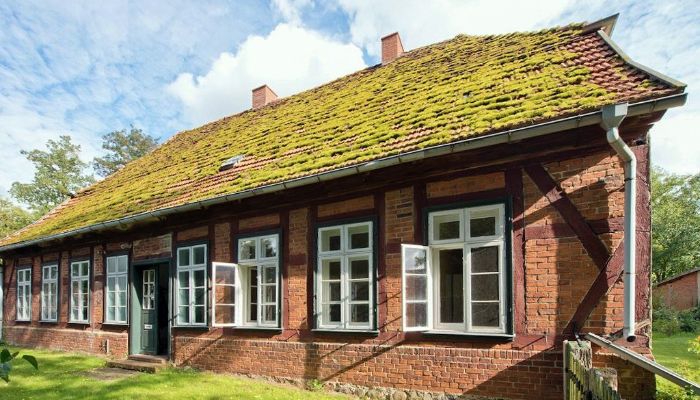
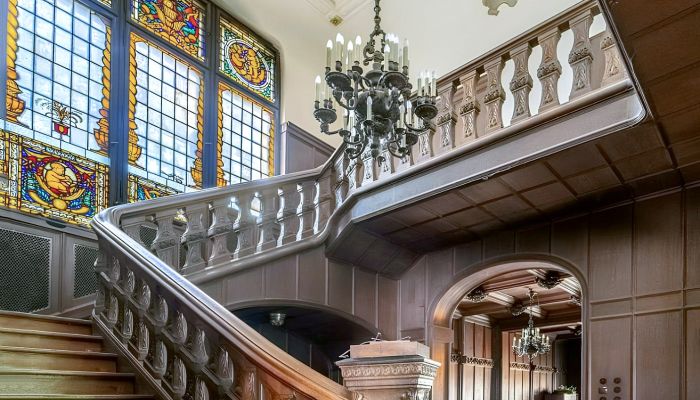
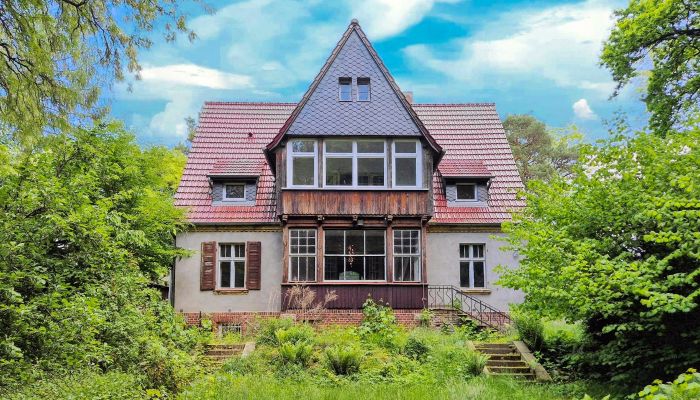
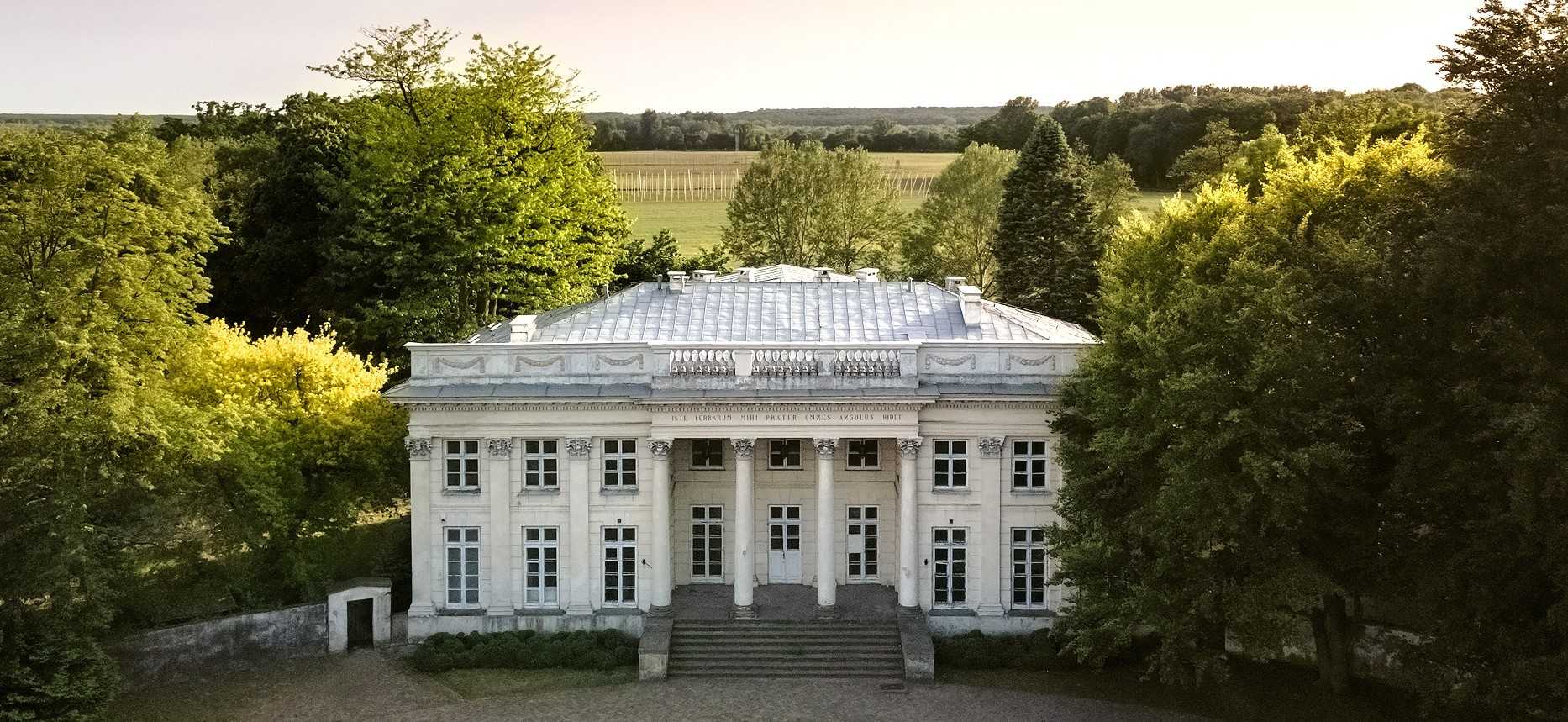
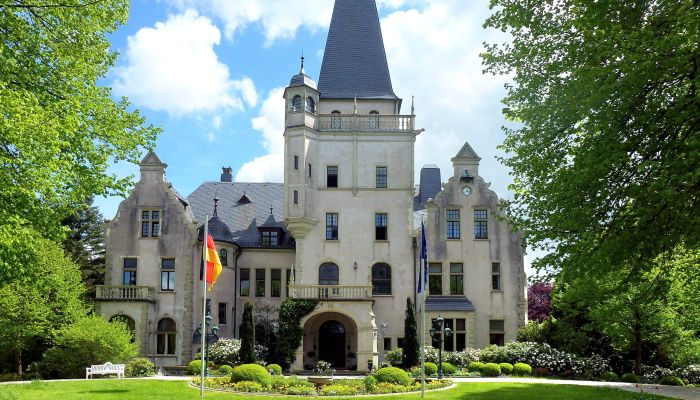
Many people are fascinated by the charisma and ambience of historic properties.
Picture: Stresa Luxury Real Estate
1. Investment potential
Old and historic buildings offer significant investment potential. Their historical significance and unique features make them attractive to potential tenants or buyers, which can result in long-term rental income or appreciation over time. Despite their age, these buildings can provide a solid foundation for long-term investment.However, investing in and renovating an older building requires careful planning and preparation. Several factors need to be considered, such as the cost of acquiring the property, the renovations needed, and potential financial risks and challenges associated with the project. A detailed financial plan is essential to ensure the profitability of such an investment.
Just as multifamily floor plans play a critical role in planning and implementing the construction project, investing in and renovating an old building has its challenges, but with the right plan, it can be very profitable. Carefully selecting renovations that preserve the building's historic character can further enhance its appeal to potential tenants or buyers.
Historical buildings often have a unique flair due to their architectural features, cultural significance or historical charm. This makes them particularly attractive to certain target groups. A thorough market analysis and investigation of the historical significance is crucial to evaluate the investment potential of such a building. With a sound evaluation of the potential rental or resale value, the risk of an investment can be minimized and profitability increased.
2. Financial planning
As with new construction, the acquisition and renovation of old and historic buildings requires careful financial planning. It is important to consider all relevant aspects when planning, including the cost of acquiring the property, the renovation or restoration work, and any potential financial risks or challenges associated with the project.The first step in financial planning is to determine the cost of acquiring the property. This includes the purchase price and associated fees and taxes. In addition, the cost of any adaptations or alterations to bring the building up to current standards or to preserve its historic character must be considered.
Renovation or restoration costs are another important aspect of financial planning. It is important to conduct a thorough assessment of the building's structural fabric and condition to determine the extent of work needed. This may include rehabilitation of foundations, roofs, plumbing, and other structural elements. The cost of quality materials and craftsmanship should also be considered.
In addition to direct costs, potential financial risks and challenges should be considered. For example, this may include unexpected construction delays, rising construction prices, or difficulties in obtaining financing. A comprehensive risk analysis is essential to identify potential problems early on and take appropriate action.
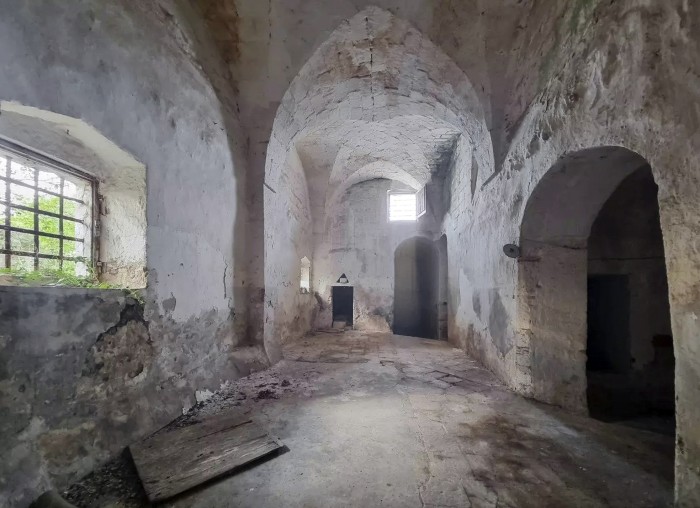
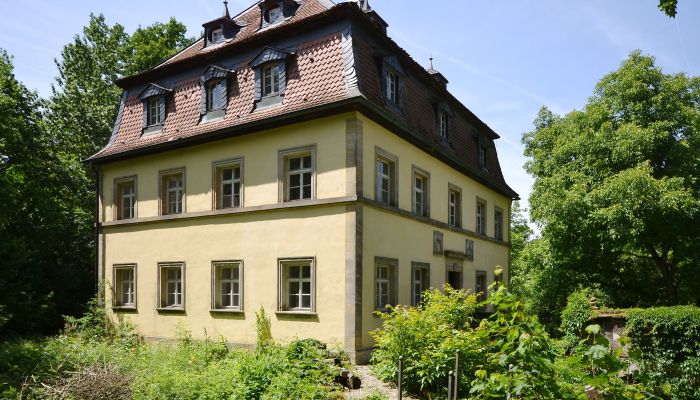
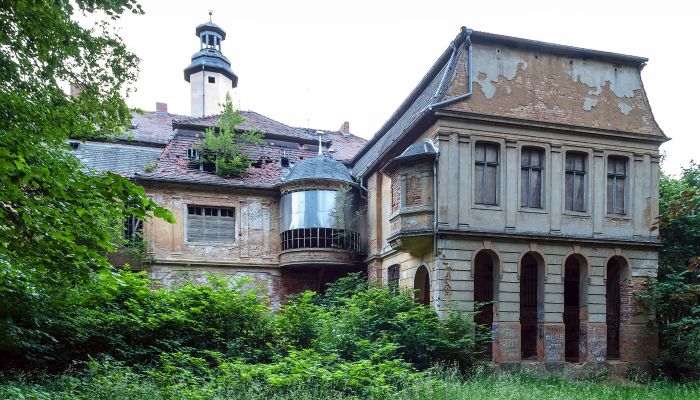
Lack of planning in a renovation project can quickly overwhelm buyers.
Picture: Oikos Immobiliare
3. Property management
Managing old and historic buildings also requires time, resources and expertise. As an owner, you will need to manage tenant communications, leases, maintenance, and repairs, similar to managing new multifamily properties. In addition, old and historic buildings may have specific preservation and restoration requirements to consider.Communication with tenants is an important aspect of property management. As a landlord, you must respond to tenant questions, concerns and requests and maintain effective communication. This may include answering questions about rent, maintenance, or other aspects of the tenancy. Good communication can help build a positive relationship with tenants and minimize potential conflicts.
Lease administration is also of great importance. It is important to properly draft leases and ensure that all legal requirements are met. This includes establishing lease terms, agreeing on payment arrangements, and clarifying rights and responsibilities for both the tenant and the landlord.
Maintenance and repairs are essential tasks in the management of old and historic buildings. Regular inspections are required to identify and correct potential problems early. Because historic buildings often have unique architectural features and materials, it is important to hire specialized professionals to ensure that restoration work is done properly.
4. Risks and challenges
Old and listed buildings can come with their own set of risks and challenges. These include higher maintenance and renovation costs, potential structural issues, and stricter regulations on alterations. Assessing these risks and developing appropriate strategies to mitigate them are essential to a successful investment.Maintaining and renovating older buildings often requires more resources and funding compared to newer properties. Because of their age, historic buildings may require more extensive renovations to preserve their unique charm and historic significance. This can result in higher costs, especially if specialized professionals or materials are needed. Thorough financial planning that considers potential costs is therefore essential.
Another risk with old buildings is potential structural problems. The ravages of time may have weakened the building structure and foundation, leading to potential safety hazards. Before purchasing or renovating an old building, it is important to conduct a thorough inspection and bring in experts to identify potential structural weaknesses and take appropriate steps to strengthen or repair them.
Despite these risks, old and historic buildings often have a unique appeal and high demand in the market. Their architectural features, cultural significance, or historic charm make them extremely attractive to certain tenants or buyers. To evaluate investment viability, it is important to understand the market need for such properties, conduct thorough research on their historical significance, and evaluate their potential rental or resale value.
5. Conclusion
Investment in old and historic buildings offers great potential. Historical significance and unique features make them attractive to potential tenants or buyers, with long-term rental income or appreciation. Acquisition and renovation require careful financial planning to consider costs and risks.Property management of old buildings requires time, resources and expertise. Communications, leases, maintenance and repairs must be considered, as well as specific preservation and restoration requirements.
Higher costs, structural issues, and stricter regulations are risks and challenges to investment. Yet high demand exists due to unique appeal and cultural significance.
Comprehensive market analysis, evaluation of historic significance, and financial planning are critical to properly assessing the investment potential of historic buildings.
Despite challenges, investing in historic buildings can be rewarding over the long term, with unique charm and potentially high returns. Thorough planning and risk assessment are essential for successful entry into this market segment.
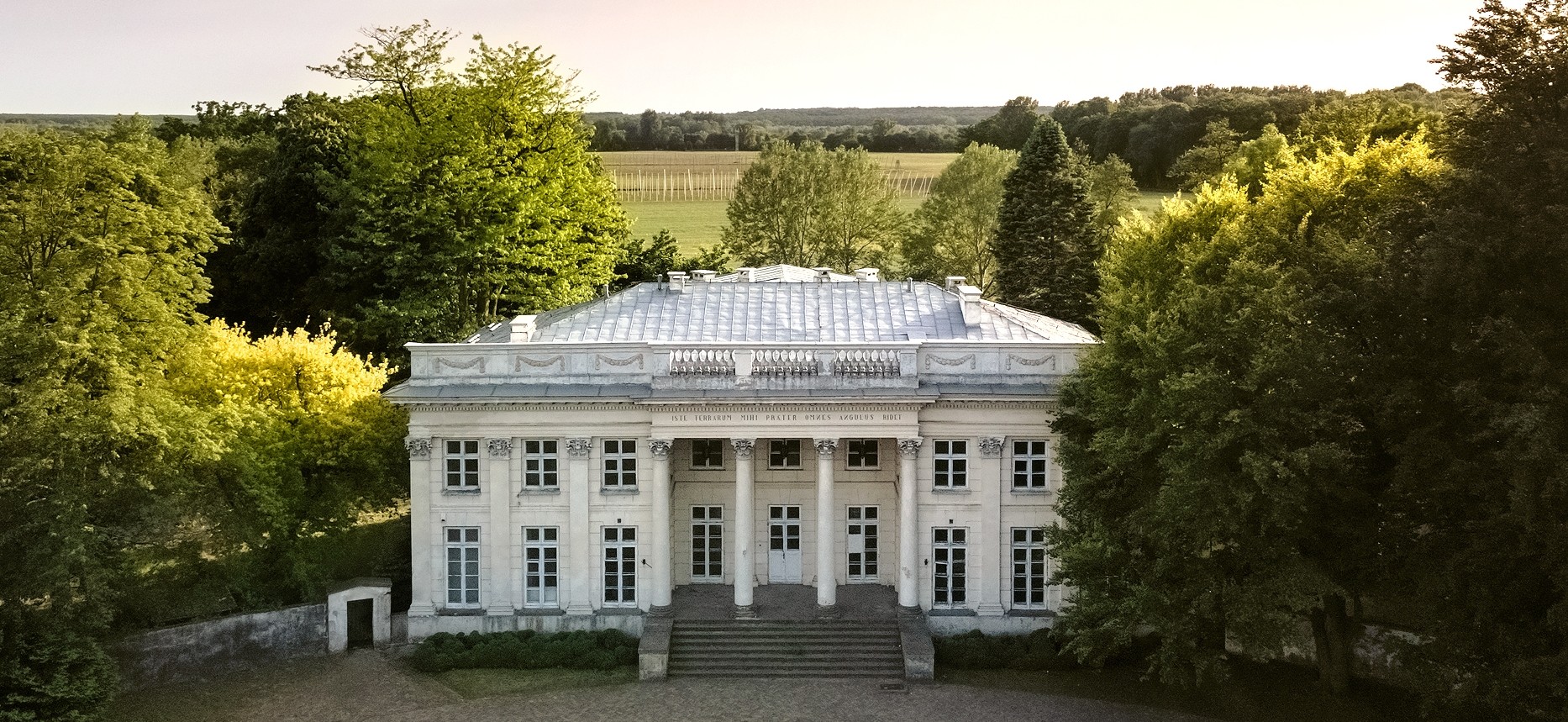

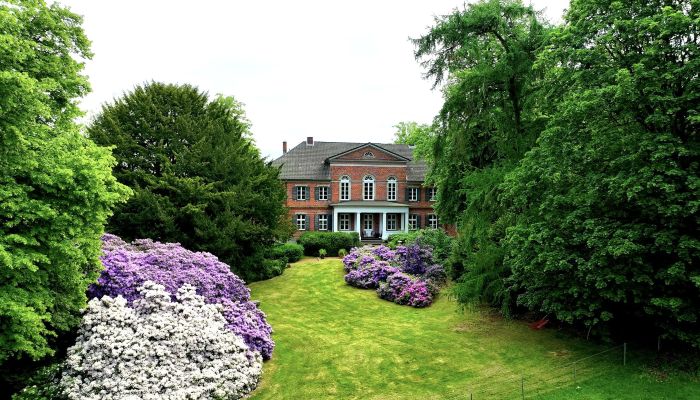
 23881 Niendorf / Stecknitz, Schleswig-Holstein