An industrialist’s retreat in the Lebus Lakeland
The former residence of paper manufacturer Paul Steinbock is situated within the quiet, wooded landscapes of the Lebus region, approximately 8 km from the Słubice border crossing. The property combines a secluded, natural setting with practical cross-border connections; Berlin is accessible via the A12 motorway within a 80–90 km drive.
The property
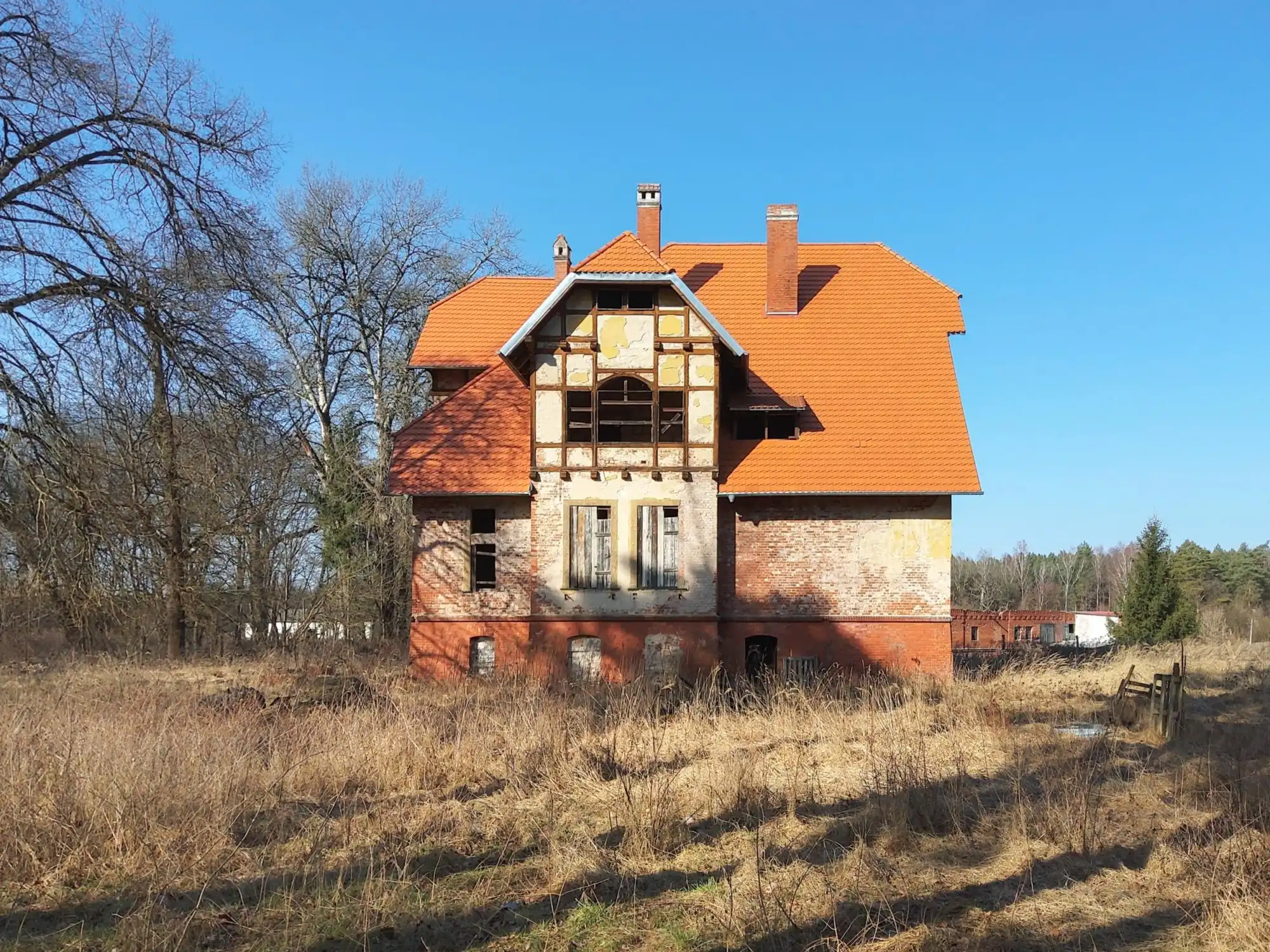
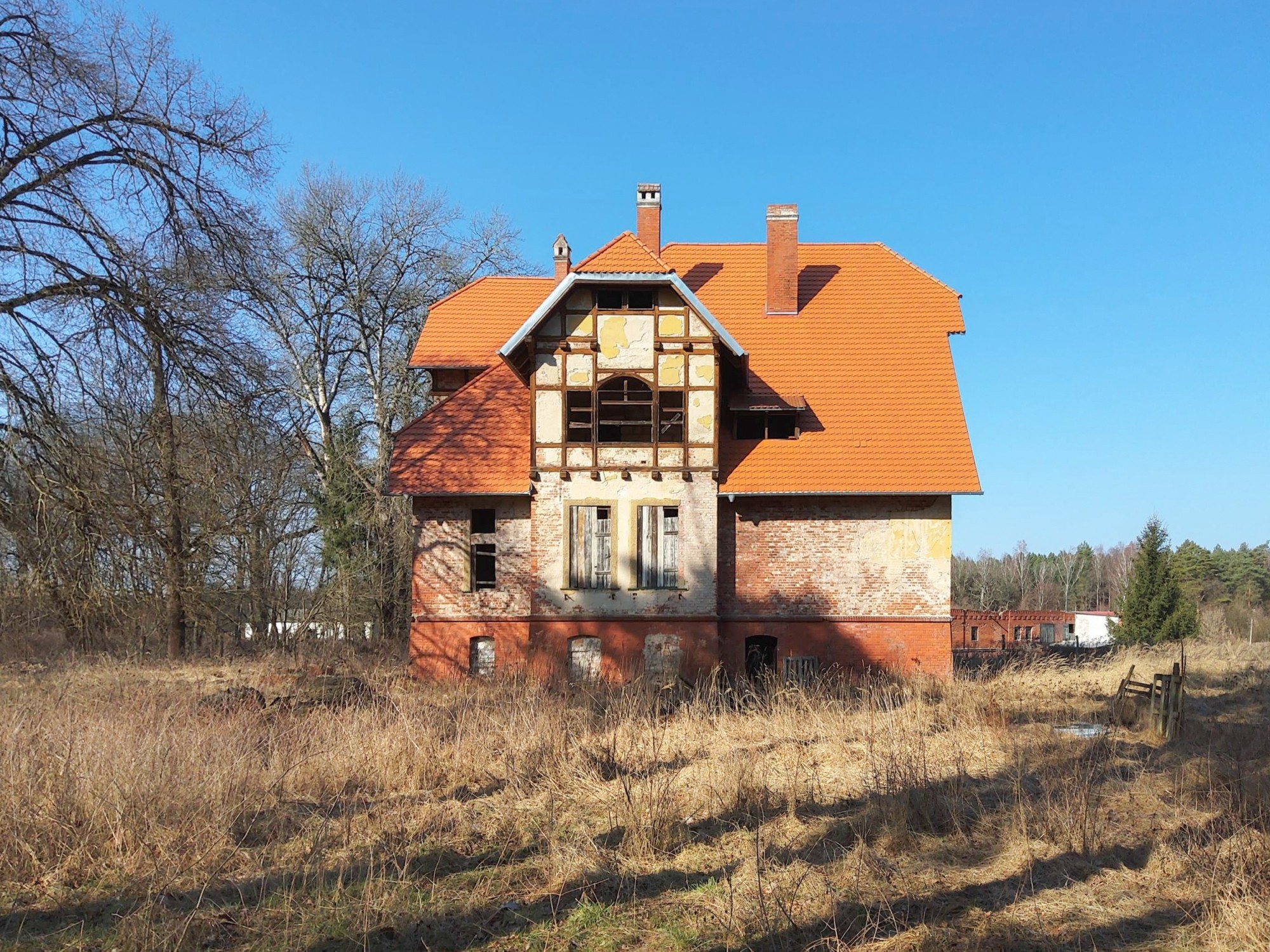
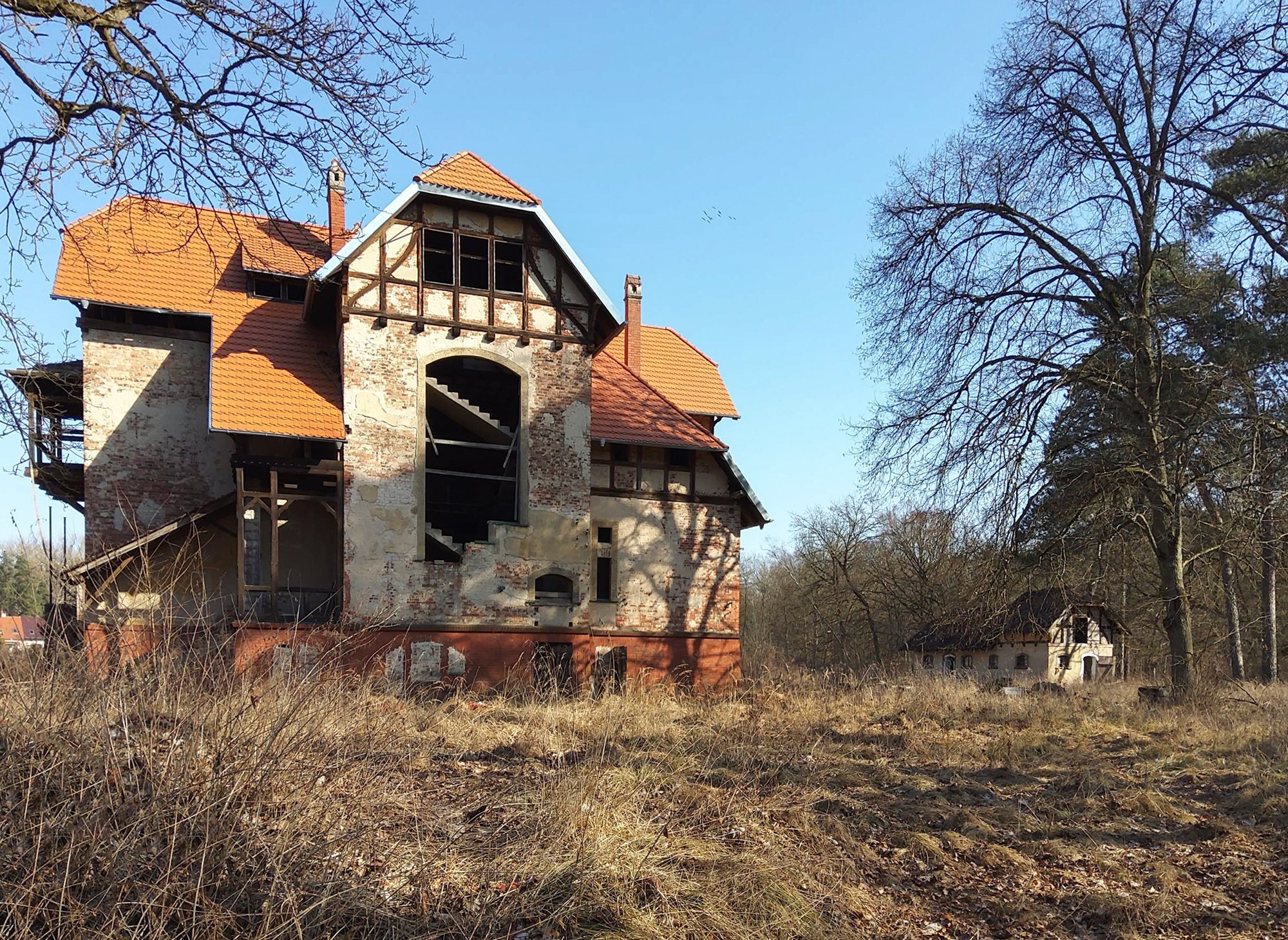
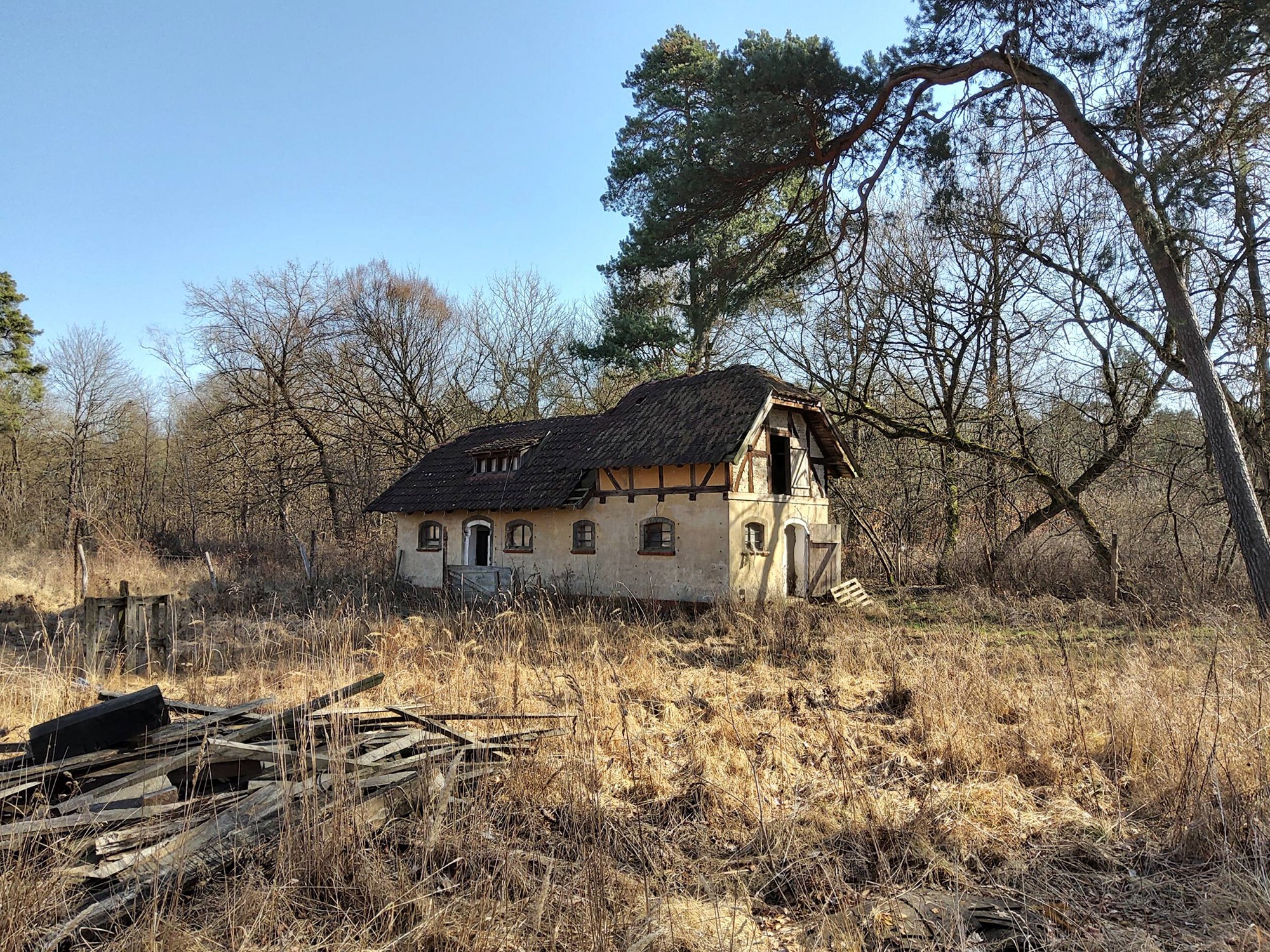
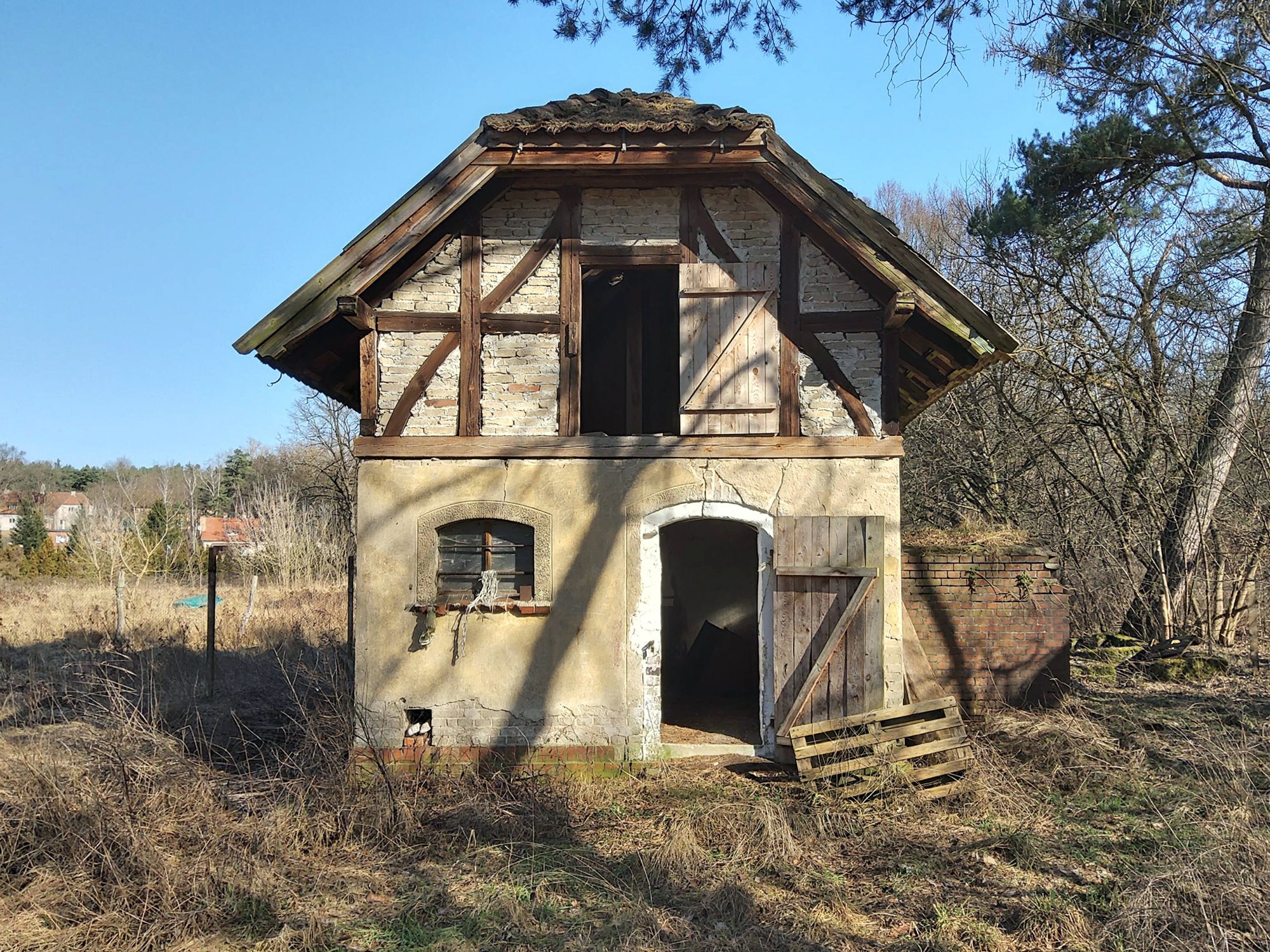
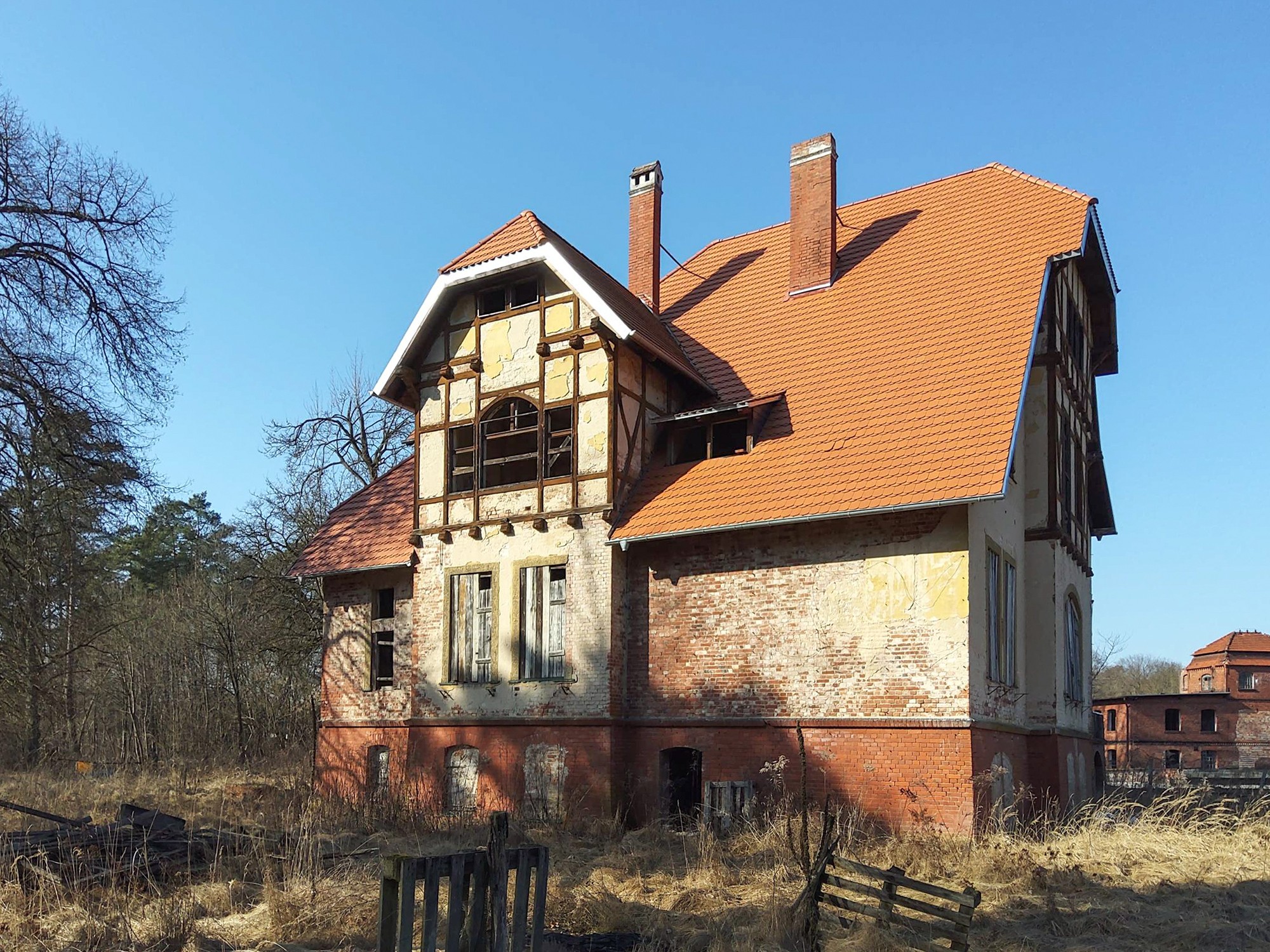
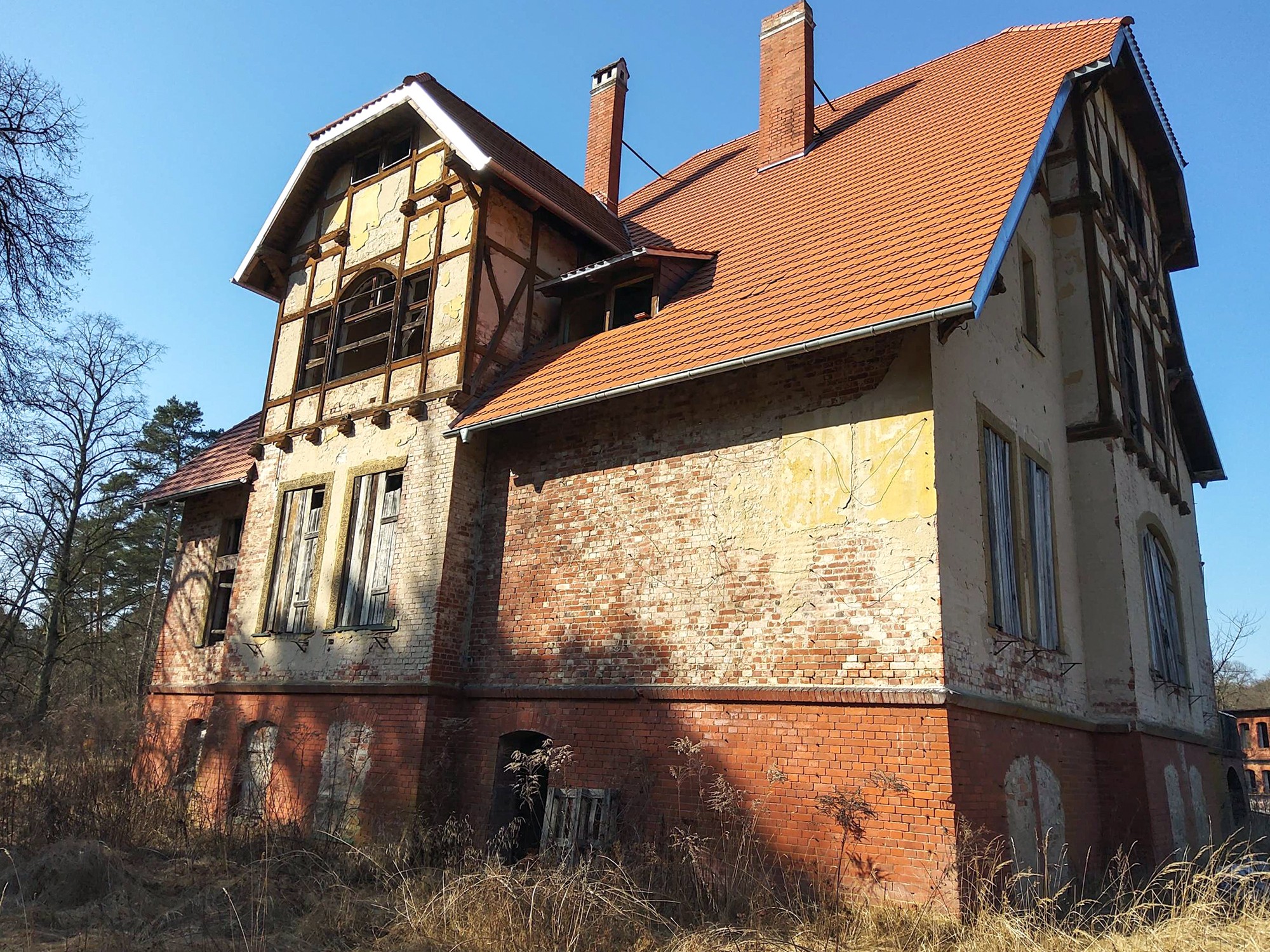
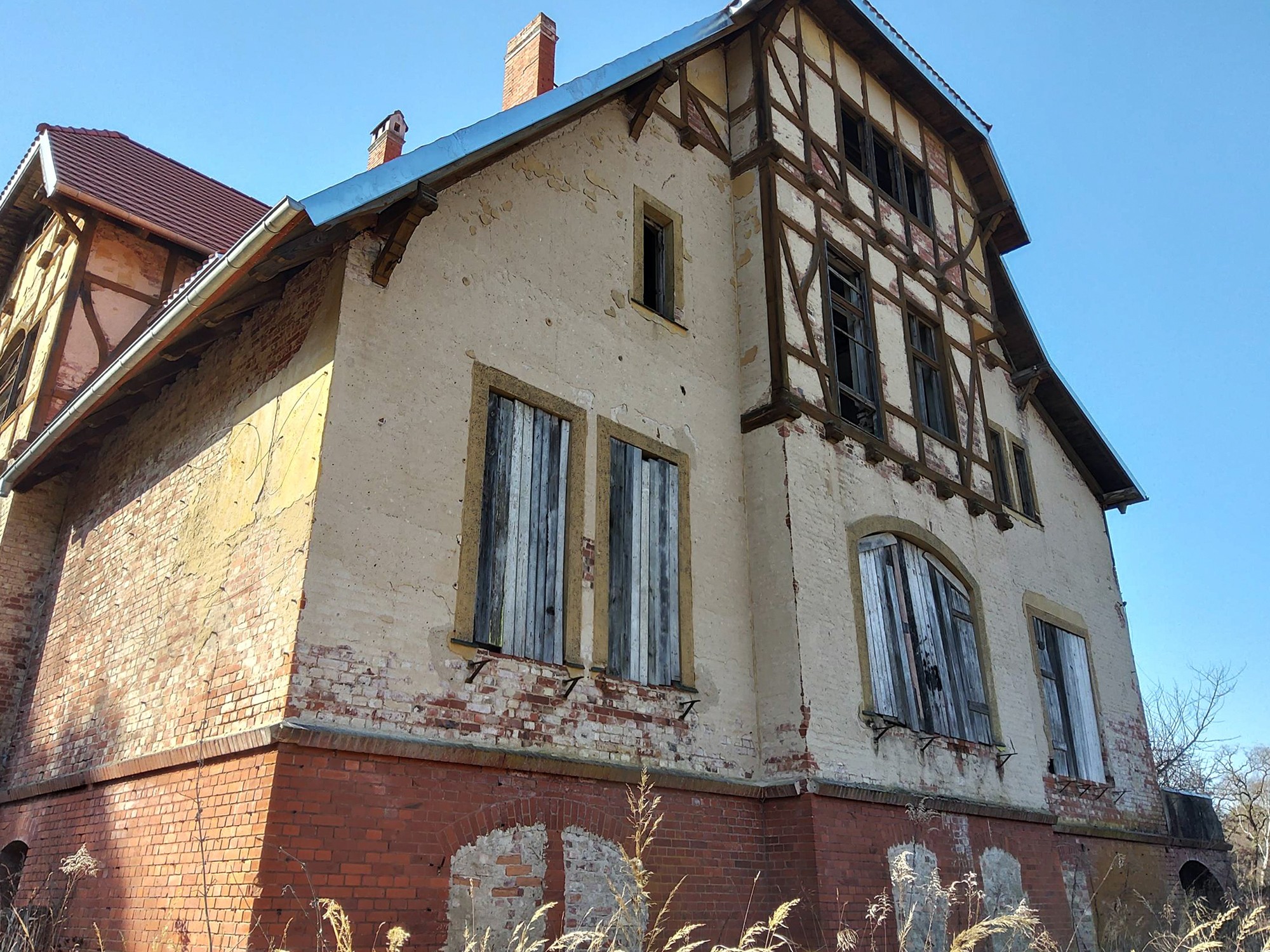
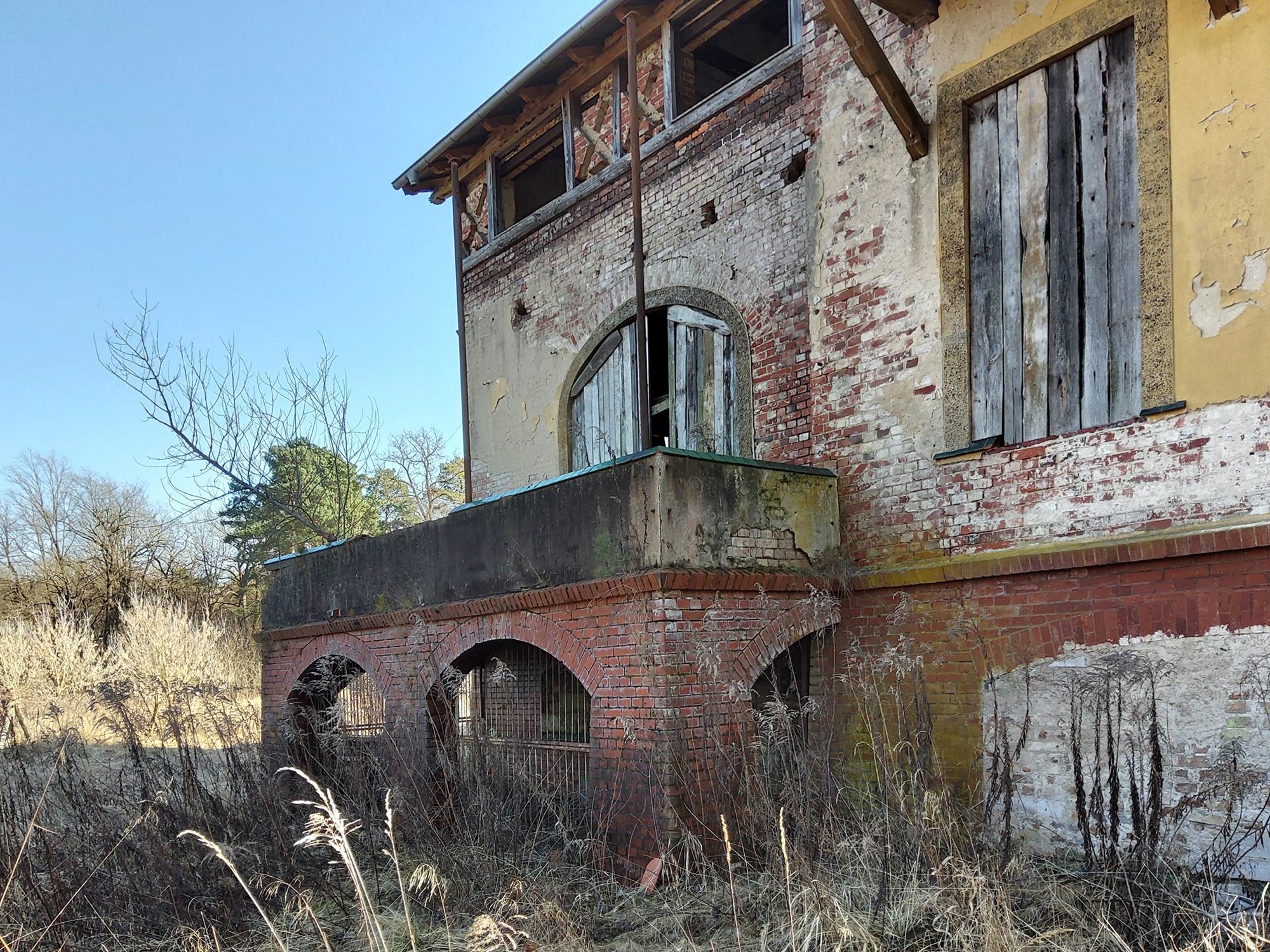
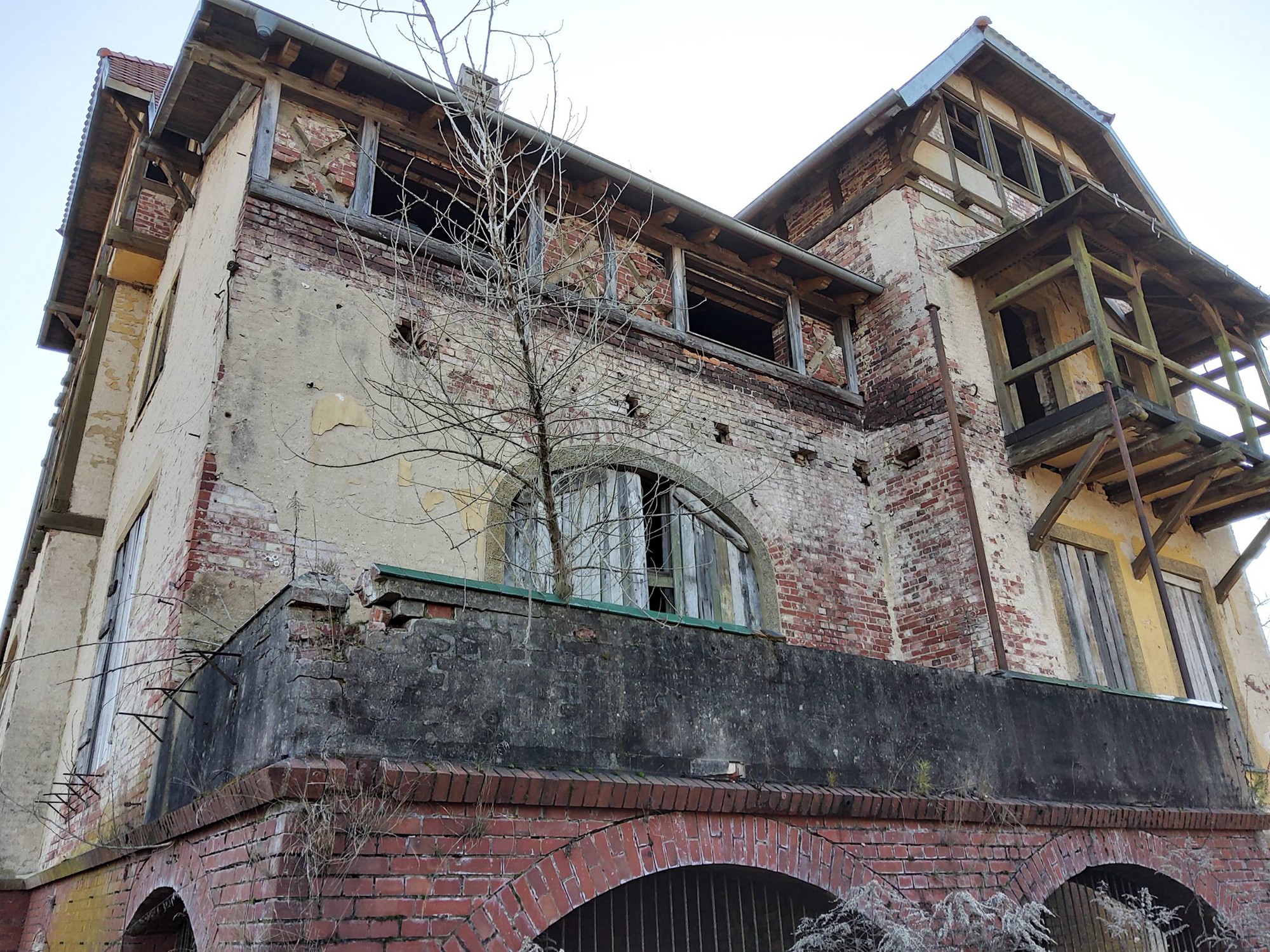
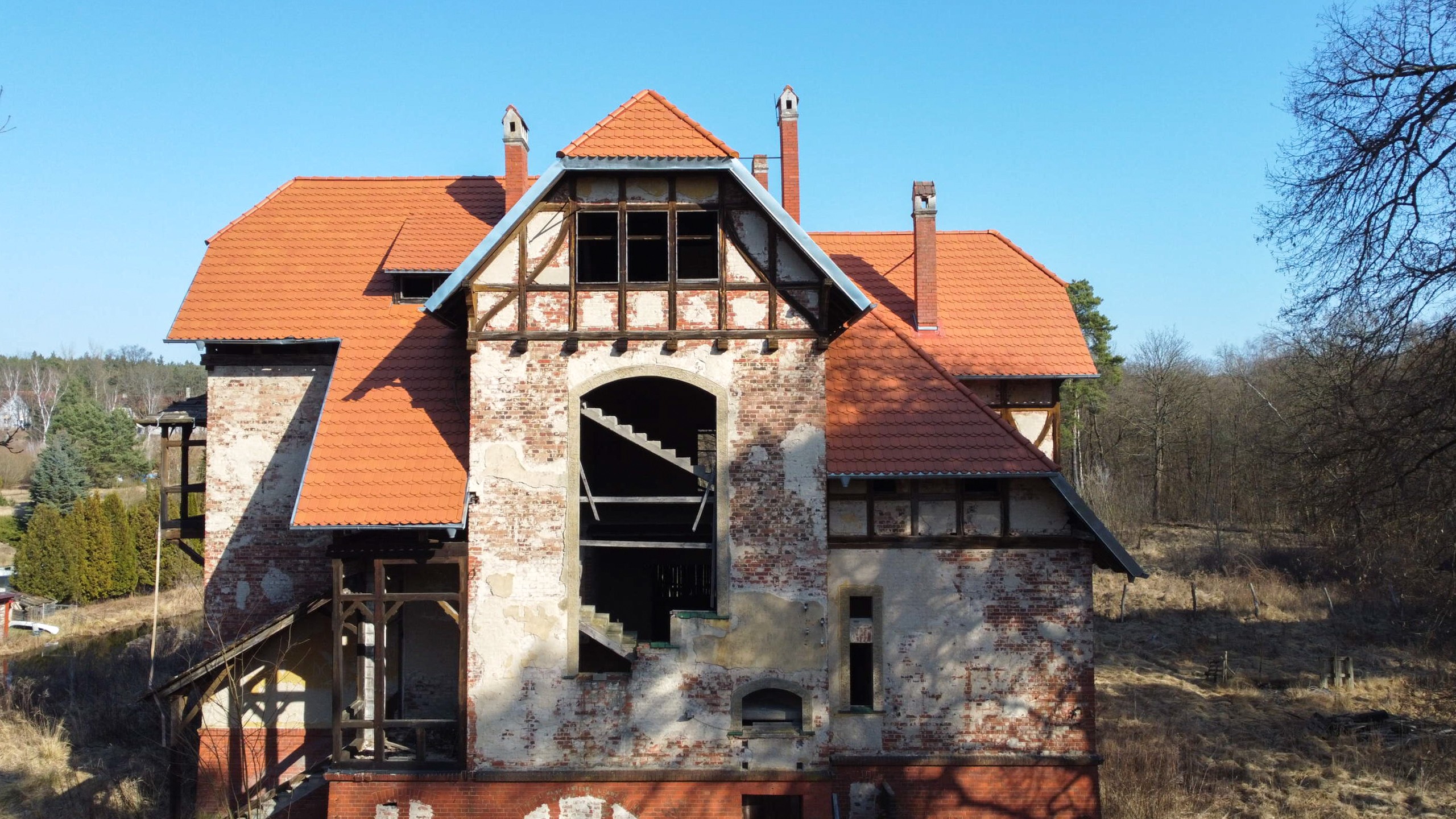
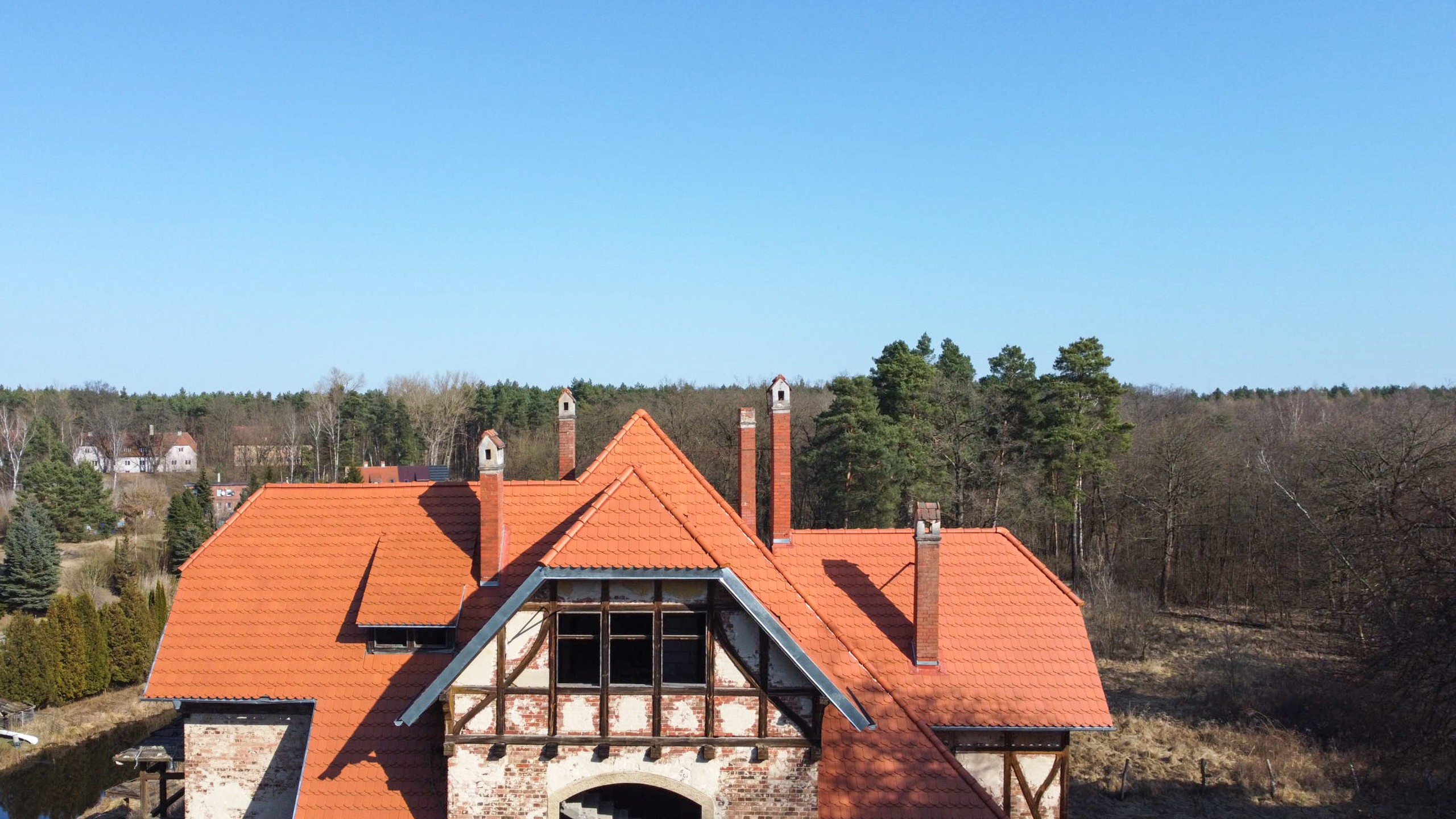
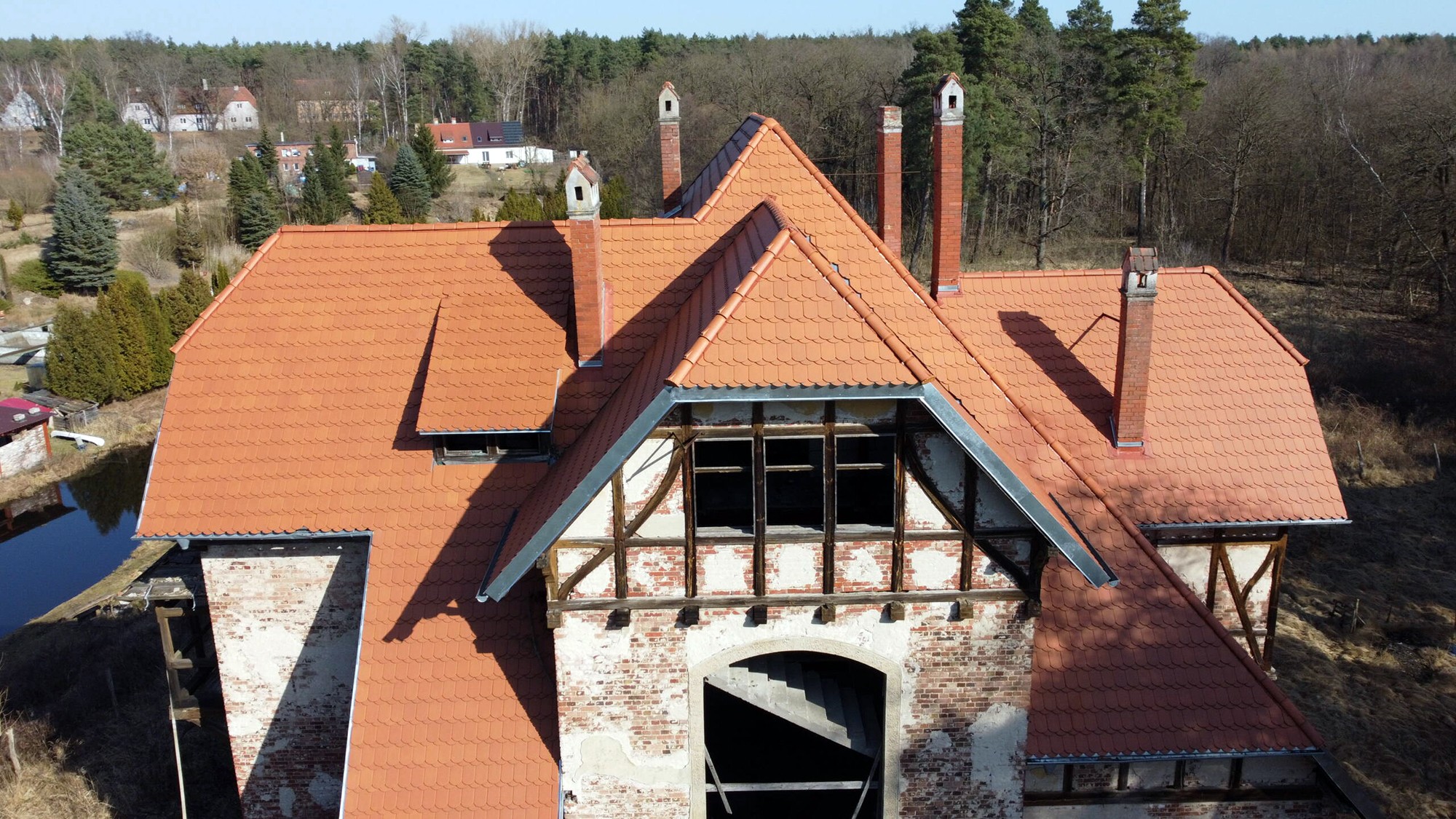
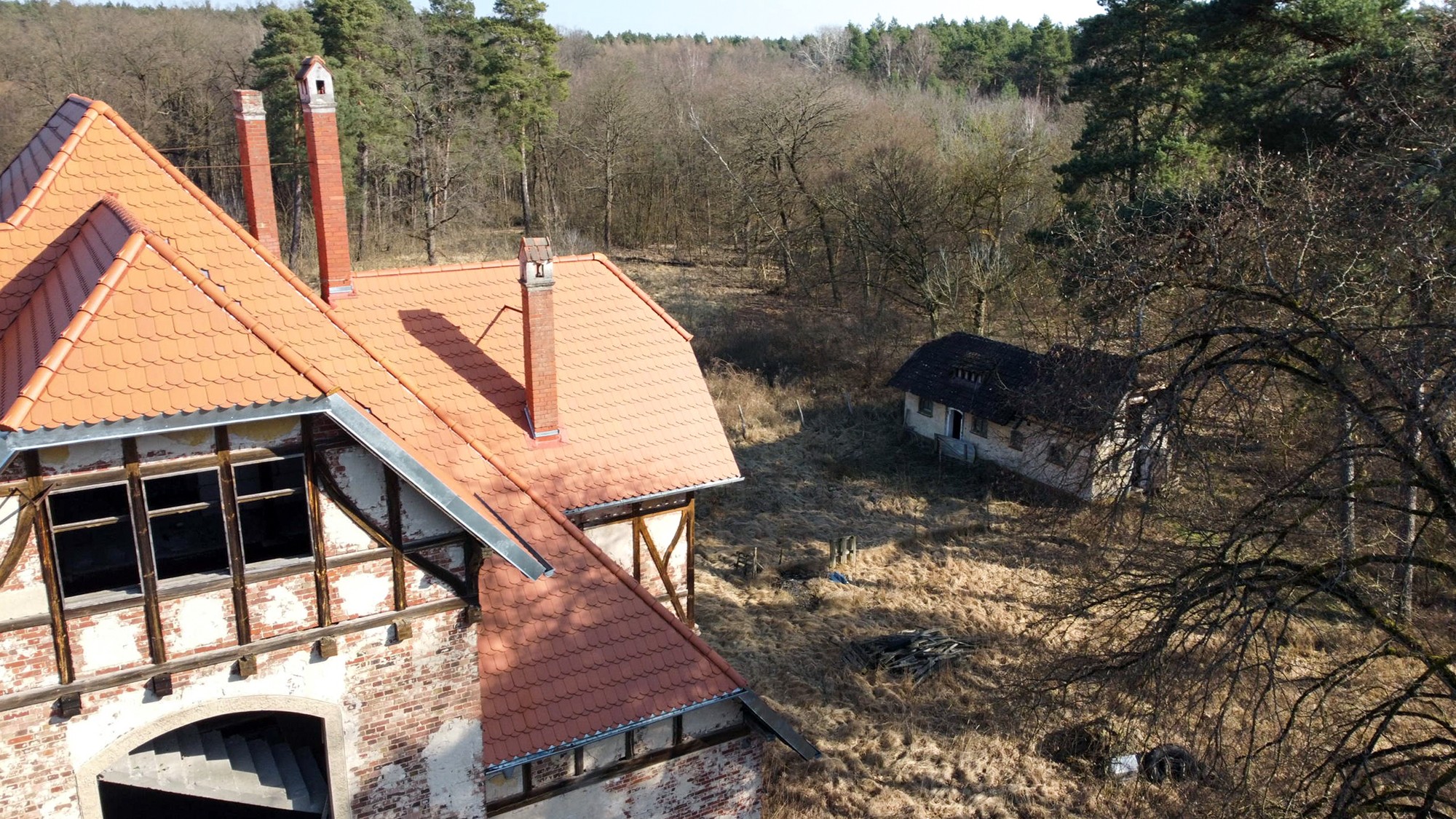
Dating from the early 20th century, the estate comprises the primary villa, an outbuilding, and original parkland. Initial restoration work commenced in 1999, including the reinforcement of ceilings, new flooring, and the repair of the grand main staircase. More recently, the roof has been entirely replaced, providing a secure shell for further internal works.
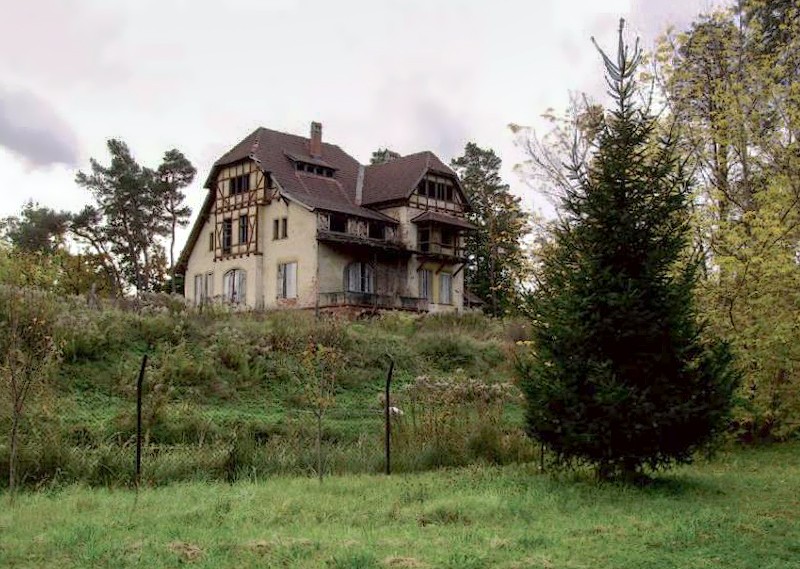
The villa is arranged over three storeys plus a cellar. The interior remains a blank canvas, allowing a future owner to configure the space according to personal requirements.
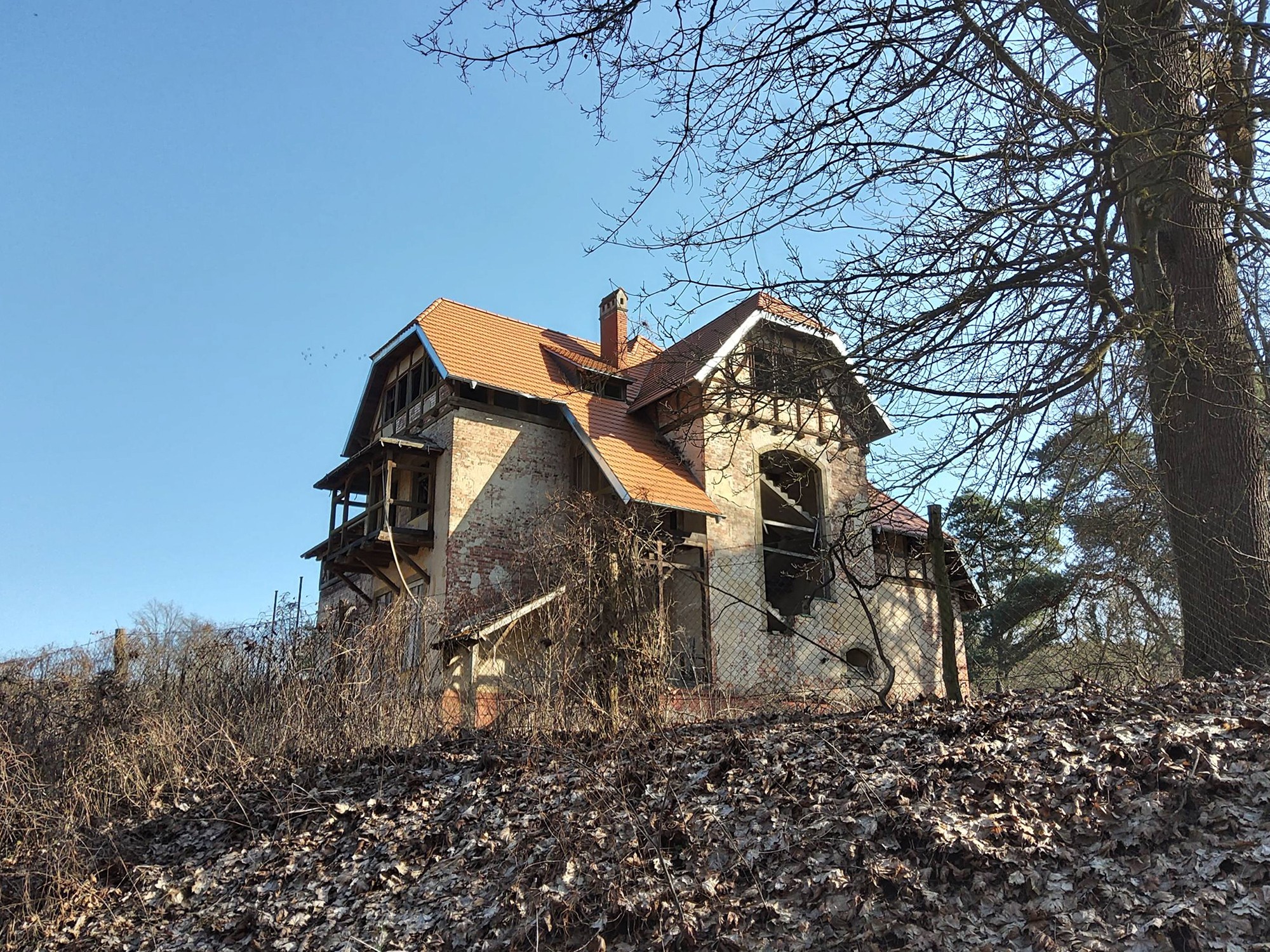
Set on a slight elevation, the house overlooks the nearby river. The grounds are reached via an original main gate, with additional access provided by side steps and a secondary entrance. The remains of a decorative fountain are situated before the main facade. The outbuilding offers further scope for development, while utilities include a mains electricity connection and a private well.
The property’s listed status and verdant location suggest a variety of potential uses, whether as a private residence or a commercial venture.
Historical context
Koziczyn (formerly Steinbockwerk) sits on the Pliszka River, roughly 8 km northwest of Cybinka. The villa and its grounds occupy a rise to the southwest of the village, with views over the river’s backwater.
The estate was commissioned by Paul Steinbock, a prominent entrepreneur from Frankfurt (Oder). Steinbock operated several paper mills in the region, leveraging the local lignite mines to introduce modern steam power—a move that saw daily production rise from 1.5 to 3.5 tonnes. Following the expansion of the Koziczyn factory in 1883 and the arrival of a dedicated railway line in 1907, Steinbock entered his most prosperous era. It was during this period that the villa and outbuilding were constructed in the Heimatstil (vernacular style) with subtle Art Nouveau flourishes.
Following the war, the property passed into the hands of a state agricultural and industrial enterprise. While the parkland was originally more extensive, it retains a significant collection of early 20th-century specimens, including English oaks up to 120 years old, copper beeches, Norway maples, and Douglas firs. The historical boundaries of the estate remain clearly defined, offering an opportunity to restore the original landscape composition.