
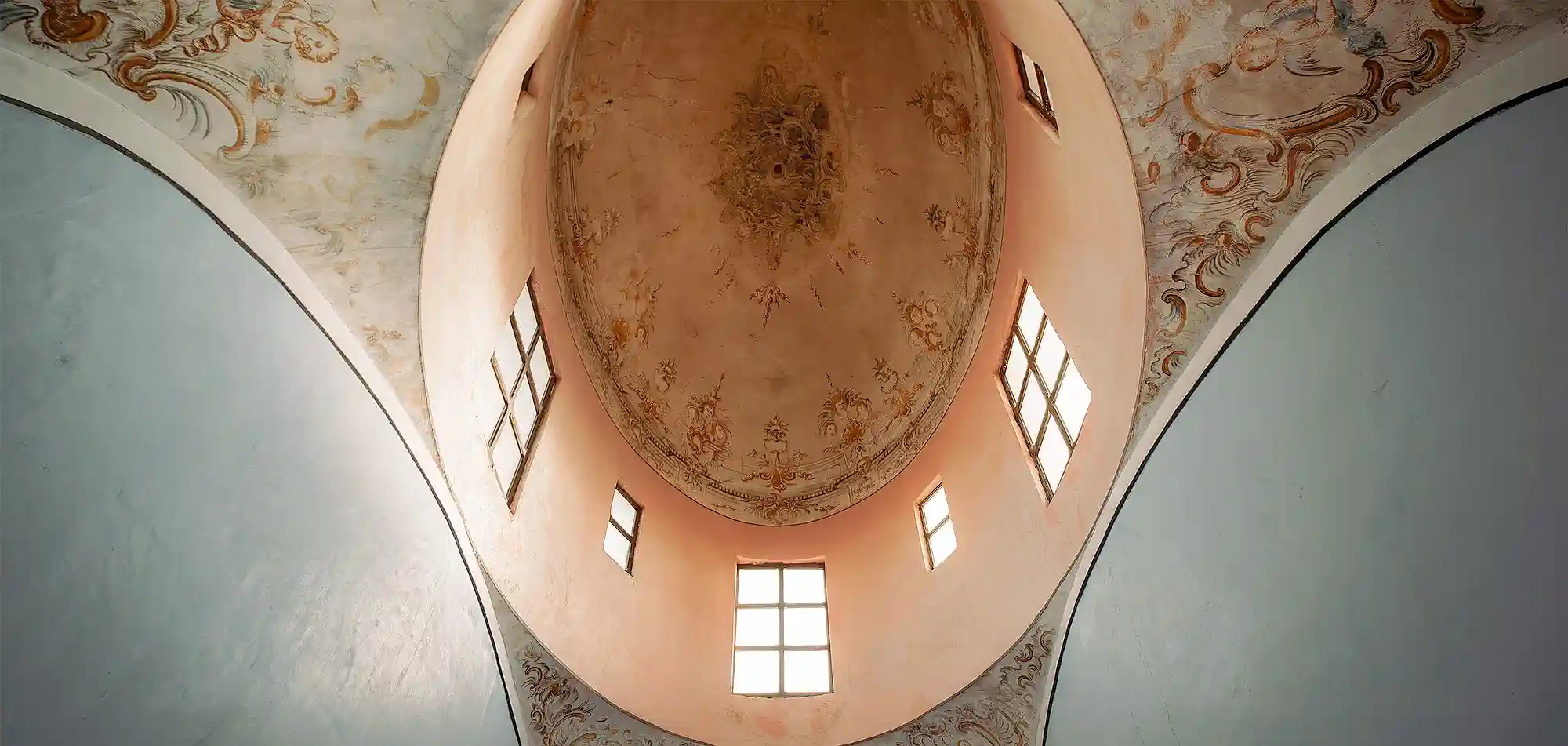
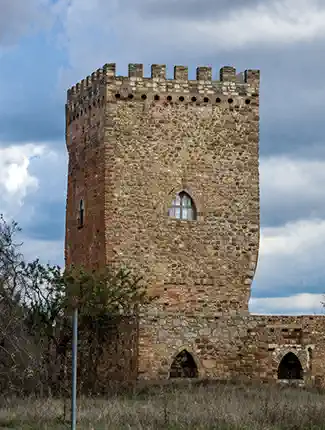
 Alcaraz, Castile-La Mancha
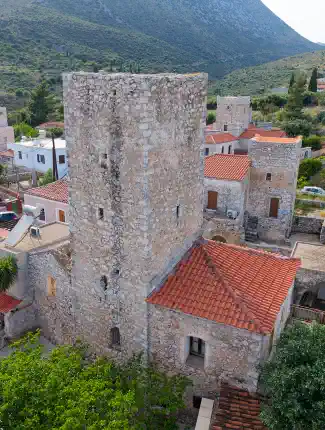
 Flomochori, Peloponnese
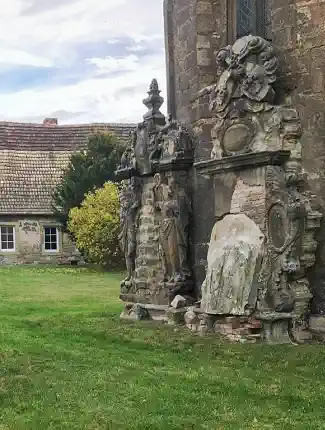
 06279 Schraplau, Saxony-Anhalt
Spacious Rural Property with Garden, Outbuildings in Boulogne-sur-Gesse Area
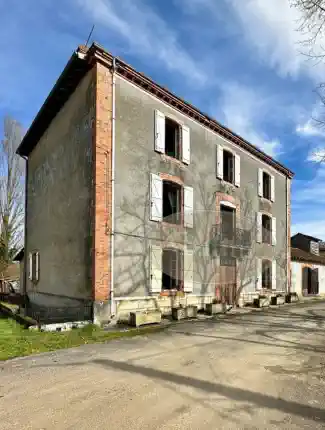
 Boulogne-sur-Gesse, Occitania
Boulogne-sur-Gesse, Occitania
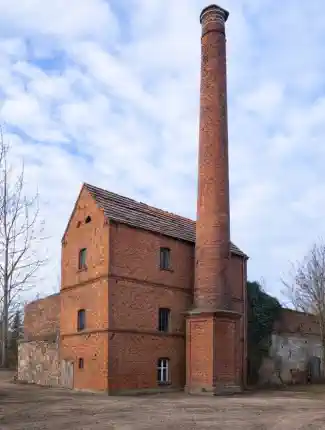
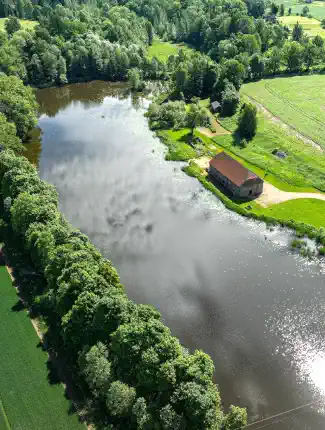
 Õisu, Viljandi maakond
REALPORTICO bargains: historic properties at entry-level prices
Grand houses, modest budgets, genuine opportunities
REALPORTICO bargains
represents a segment in the lower price range that draws strong buyer interest. Alongside authentic castles and manor houses with generous proportions and expansive grounds, this category also includes smaller country properties and architecturally distinctive homes with asking prices of up to around £220,000.
A note for UK visitors
Britain has a remarkable heritage of listed buildings, but affordable historic properties under £220,000 have become increasingly scarce on the domestic market. Many UK buyers are therefore exploring Continental Europe – particularly France, Italy and Spain – where comparable properties often cost significantly less and offer greater scope for creative restoration. This guide focuses on these Continental European markets where the majority of current opportunities exist.
For UK-specific guidance on Listed Buildings, consult Historic England, Historic Environment Scotland or your local planning authority. UK properties are also featured when available – view UK listings or set up an alert to be notified.
The phrase property with untapped potential
is often used in this segment as a marketing hook. Yet when dealing with buildings that are centuries old, the real question is: what, if not the genius loci
– the spirit of place – could inspire these walls to be rediscovered and given a new future?
From abandoned ruins to partially restored estates or already habitable properties, bargain castles come in many conditions. Even in sought-after locations where prices are usually high, genuine opportunities can still be found. Those interested in this segment will find more detailed insights below. One principle always applies: without solid financial foundations and sufficient reserves, success is unlikely.
Where exceptional opportunities await
Popular markets for affordable historic properties include Italy, France and Spain – countries with rich architectural heritage and a steady supply of historic buildings. Germany, Poland and Portugal also offer opportunities and in some cases Austria or Hungary still reveal larger historic houses in the five-figure or low six-figure range.
Reasons for low asking prices vary: demographic change in rural areas, inheritance situations without resources or interest to renovate, municipal budgets too tight to maintain vacant buildings, as well as classic factors like remote locations or structural limitations.
Location and accessibility
The lowest prices are usually in rural hinterlands, where travel times to the coast, nearest city or key infrastructure exceed an hour. This remoteness tends to deter older buyers, while for younger generations it can represent a conscious choice for space, tranquillity and a form of rural life that has largely disappeared elsewhere.
Those willing to take unconventional paths may also discover hidden opportunities in sought-after and competitive regions. This often requires personal initiative and on-the-ground research, as some of the most interesting properties never reach online portals or the open market. Such searches demand time, local knowledge and sometimes communication in a foreign language – tasks commonly handled by so-called property finders
, who operate locally like agents but focus specifically on sourcing properties that match their clients' criteria.
Affordable prices: temptation meets commitment
A low asking price opens access to properties that, once fully restored, would often be worth several times their current value. Yet this is rarely the real challenge.
True costs emerge on closer inspection: renovations stretching over years, heritage regulations guiding every decision, leaking roofs, outdated building services and undiscovered structural issues. In times of rising construction and material costs, even manageable projects can quickly absorb substantial budgets.
But this is also where the opportunity lies. Buyers who realistically assess their means, plan carefully and maintain sufficient reserves can create something exceptional at a fraction of the cost of a fully restored property. Practical skills and personal involvement can make a significant difference. Without a clear strategy and solid finances, however, the promise remains just that.
The allure of historic properties
Large rooms, historic building fabric, architectural details rarely seen in modern construction ornate stucco ceilings that have endured generations, parquet floors that creak underfoot, grand staircases, vaulted cellars, sprawling gardens or overgrown parks – all these elements give bargain castles their unmistakable character.
Then there is their intangible value. Preserving and revitalising a historic building safeguards cultural history. For many buyers, this aspect carries as much weight as financial considerations. The opportunity to shape a property according to personal vision while respecting heritage regulations and breathe new life into it is difficult to measure in monetary terms.
With the right concept, these bargain castles can become economically viable projects that appreciate over time. Boutique hotels, holiday homes with rental potential, event venues, studios or extraordinary private residences with partial commercial use – possibilities are wide and successful examples are plentiful.
Properties within the bargain segment
- Smaller country estates or outbuildings of larger manors
Typically 10 to 20 rooms with generous volume and roof space. Often accompanied by a park or large garden, usually needing full renovation, though sometimes partially habitable. Abandoned properties frequently offer new possibilities for individual use and design. - Country properties
Agricultural estates with residential and farm buildings on sizable plots. With a well-planned concept, smaller agricultural or agrotourism activities can often be revived. - Village houses
Mostly simple but still larger than modern single-family homes. Central locations, often vacant for years, with conditions ranging from needing modernisation to ruin. - Medieval castles and fortress-like structures
Castles, fortresses or parts thereof such as watchtowers. Typically located in elevated, secluded or green settings, often with spectacular views. Particularly affordable properties often start as ruins, offering maximum freedom for redesign. - Historic villas
True historic villas feature decorative façades, high stucco ceilings, creaking parquet floors, tiled stoves and other preserved original features. - Historic townhouses
Urban or historic city centre locations. High ceilings and potential to divide into multiple units for long- or short-term rental. Local listings in southern Italy are often worth exploring.
Heritage protection across Europe: legal frameworks and practical considerations
In many European countries, local and national heritage registers classify properties according to their protection status and outline implications for renovation and use. The fundamental principles are broadly similar across Europe: listed buildings require coordination with heritage authorities on materials, colours, window designs and structural changes.
How protection works in practice
Nationally listed monuments are usually fully protected, bringing restrictions but also safeguards against arbitrary alterations. Locally listed properties typically allow greater design freedom. Experiences in balancing authorities' requirements with owners' preferences vary; Spain is frequently cited as a positive example of constructive cooperation.
Country-specific frameworks
United Kingdom historic buildings are listed as Grade I (exceptional interest), Grade II* (particularly important) or Grade II (special interest). Any alterations require Listed Building Consent from the local planning authority. For current guidance on grants, tax relief and compliance requirements, consult Historic England, Historic Environment Scotland, Cadw (Wales) or the Northern Ireland Environment Agency. Heritage funding policies are subject to regular government review.
Italy properties classified as "Bene Culturale" face extensive protection requirements. Tax incentives for energy-efficient renovations have been significantly reduced in recent years. The former 'Superbonus' programme offered substantial benefits but has been progressively scaled back with stricter eligibility criteria. Funding is mainly available for properties of particular cultural significance or tourism-related use, while private residential projects typically receive limited support.
France distinguishes between "Monuments Historiques" (highly protected) and "inscrits" (less strict). Owners of Monuments Historiques may benefit from tax advantages but must coordinate all work with state-certified architects (Architectes des Bâtiments de France). Specific incentives vary and should be verified with local authorities.
Spain manages heritage protection regionally, with comprehensive information obligations. Collaboration with authorities has a strong reputation, reflected in a large number of well-maintained monuments. Regional variations mean specific requirements should be clarified locally.
Germany primarily offers depreciation options under tax code provisions, with additional support from regional programmes or the German Foundation for Monument Protection (Deutsche Stiftung Denkmalschutz), typically limited in scope.
Poland differentiates between national and local monuments. Cooperation with regional authorities can be bureaucratic, but approvals for renovations and adaptive reuse have increased. Larger municipal properties are often offered via tenders at substantial discounts, with buyers required to complete renovations within set timeframes.
The funding landscape
Overall, public funding is becoming more selective – often limited to especially significant properties, public or tourist use or specific EU programmes. Private renovation projects usually rely on tax incentives and personal equity. Funding landscapes change regularly, so early consultation with local heritage authorities and tax advisors is essential.
Turning ambition into reality: preparing your project
Those looking to acquire a bargain castle should ideally follow these steps carefully – not as bureaucratic obligations but as foundations for success:
Legal review: Check land registers and the legal status of the property. Obtain all documents, permits and historical records. Clarify encumbrances, easements and usage restrictions. What may seem like dry legal detail can determine success or failure.
Condition assessment: Hire a surveyor or architect experienced with historic buildings. Inspect roof, structure, moisture, electrical systems and heating. Superficial damage can hide deeper issues. A good expert pays for itself many times over.
Concept development: Define a clear usage plan. Move in yourself, rent parts, run a small hotel, host events or plan for resale? A well-defined concept guides all further planning.
Feasibility and financing: Conduct a feasibility study and plan renovations realistically, including a 20–30% contingency buffer. Explore financing options: specialised banks (such as KfW in Germany, Caisse d'Épargne in France) or regional programmes can offer favourable terms. Crowdfunding or investors are possible for larger projects but require a convincing concept.
Authorities and funding: Contact municipalities, heritage authorities and building offices early. Clarify requirements and explore potential funding programmes or tax incentives. Some regions offer EU funds for rural development. The effort pays off despite bureaucracy.
Expert advice: Involve professionals experienced in revitalising heritage properties – specialised architects, engineers or project developers. Good experts ultimately save more than they cost.
Cost optimisation: Compare prices across borders. Materials, heating systems and specialised craftsmen can sometimes be cheaper in neighbouring countries. Save wisely, not blindly.
Realistic timelines: why patience pays off
Renovation timelines vary by property condition, budget and personal involvement:
- Smaller properties with basic renovation: around 2 years until habitable
- Larger properties with extensive renovation: 5 years or more, often completed in phases
- Ruins: 10 years or more is not uncommon
Many projects are phased: one part made habitable first, while renovations continue elsewhere. This allows early occupancy, potential rental income and spreading costs over time. Plan to live in completed sections to preserve motivation and quality of life. Living permanently among rubble drains enjoyment, turning even the most beautiful castle into a burden.
Navigating risks: how to protect your investment
Renovating large historic houses on a limited budget requires discipline and foresight. Common pitfalls include:
Wrong priorities: Starting with representational rooms before securing the roof or critical systems wastes time and money. The rule: first the shell (roof, façade, windows), then systems (heating, electricity, plumbing), then interiors.
Lack of planning: Without timelines and milestones, projects can stretch from three years to a decade. Create a realistic master plan and follow it consistently. Flexibility is important, but planning prevents costly delays.
Poor advice: Not all contractors or architects have experience with listed historic buildings. Mistakes can be costly and even damage the property irreversibly. Invest in qualified professionals from the start.
No usage concept: Plan early how the property generates income – rentals, events, tourism or commercial use. Without this, financial difficulties arise quickly.
No financial reserves: Unforeseen defects are common in historic buildings. Budget an extra 20–30% contingency for surprises. This buffer is not optional.
Underestimating ongoing costs: Even when modernised, large historic houses have higher maintenance costs than contemporary buildings. Factor this into long-term planning from the start.
Hands-on restoration and community: learning from fellow enthusiasts
Connecting with others renovating historic houses is invaluable. Social media platforms like Instagram, YouTube or specialised Facebook groups document many projects carried out on limited budgets with high personal involvement – inspiring and educational for bargain castle buyers.
Exchanging experiences provides practical tips, emotional support and realistic insights into costs, time and challenges. Look for hashtags like #chateaulife, #renovationproject, #historichouse or #diy. This transparency helps others avoid similar pitfalls.
Bargain castles: investments that endure a lifetime
Bargain castles are not for everyone. They demand money, time, patience and long-term commitment. Quick returns or turnkey dreams are unlikely.
For those who persevere, there is no fairy-tale castle, but a house with scars and stories. Rooms that resist conformity. A project never fully finished, always engaging.
These properties can be an investment, but above all, they are for those who value history and character more than financial returns alone.
Buying a historic house is the beginning of a love affair with the past. It demands courage, vision and perseverance. Those who embrace it are rewarded with a life full of stories.
Exploring historic homes in greater depth
read more