
-
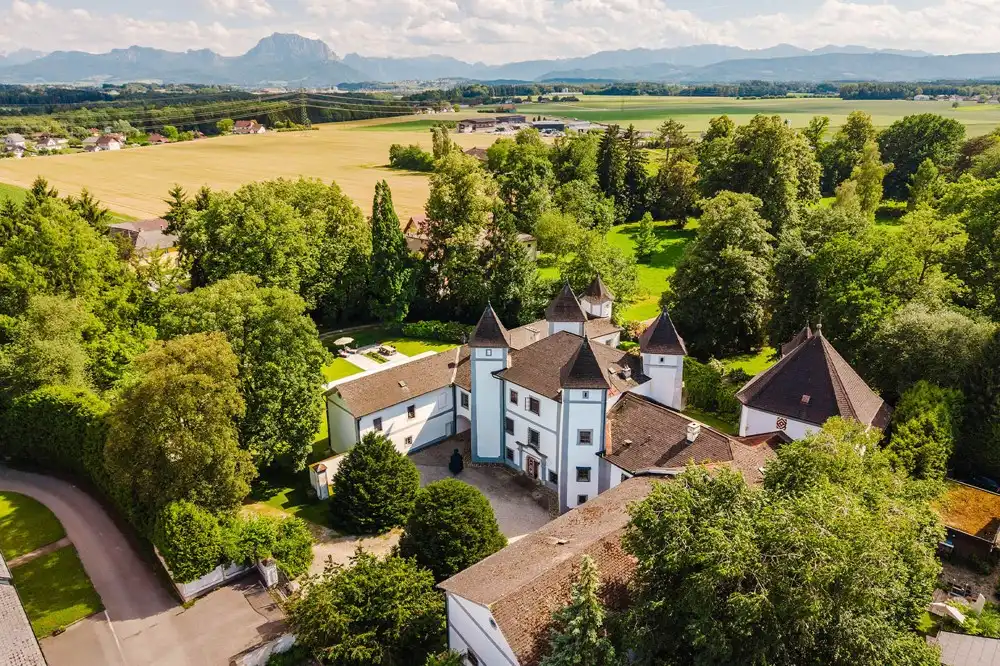
Heritage, parkland, provenance: Fine historic estates across Europe

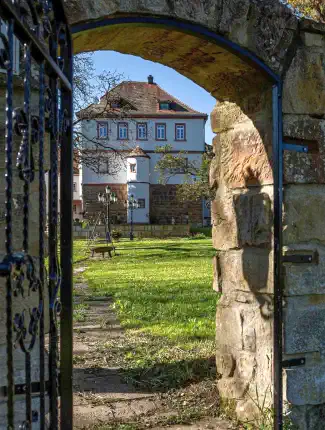
 Baden-Württemberg
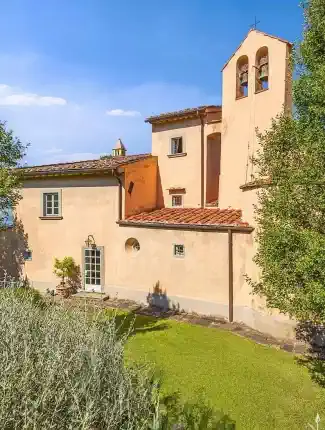
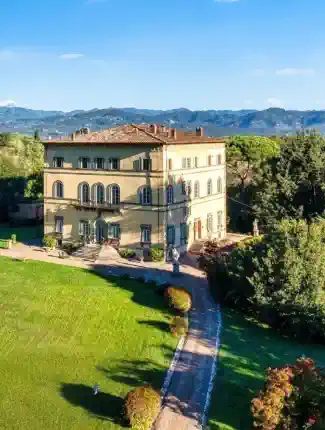
 Calenzano, Tuscany
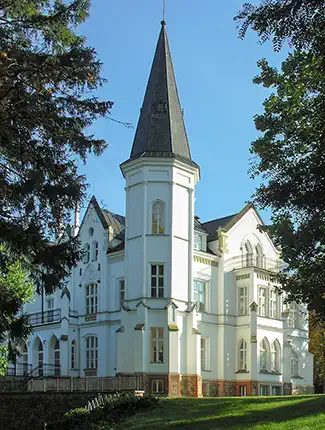
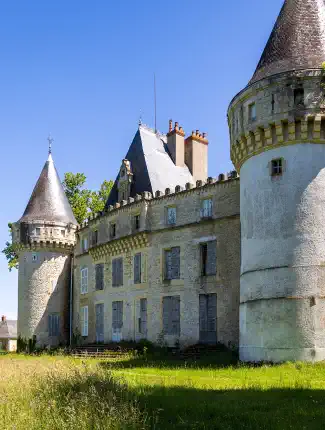
 Bourges, Centre-Loire Valley
Manor estate with neoclassical mansion in the Warmia-Pomerania region – 62 acres
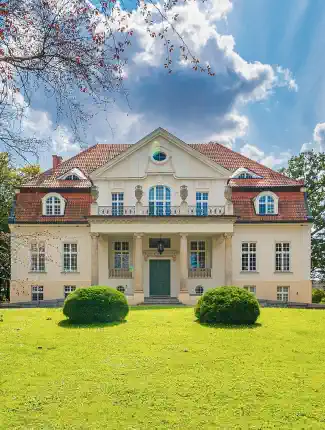
 Marzewo, Warmia-Masuria
Marzewo, Warmia-Masuria
Prime historic estates and country houses in Britain and Europe for sale
Where heritage defines distinction
The property market continually wrestles with defining what constitutes a "prime" property. Genuine distinction emerges when value derives from historic substance rather than transient design fashions. Castles and historic country houses where location, setting, views, comfort, amenities, or contemporary considerations such as building services and energy performance are carefully balanced, merit classification as prime historic estates.
Price expectations
Prime historic property need not be unattainable. Properties of substance and character can be found from the mid-six figures. Most transactions settle in the seven-figure range, whilst prime locations or extensive estates may reach eight figures.
Prime status does not demand complete refurbishment. In established addresses, condition becomes secondary. A lakeside villa on Lake Como commands substantial prices even requiring renovation – the address alone justifies the investment. Purchasers acquire location and architectural potential, not merely current state.
Location and address
Nearly every European city possesses districts whose standing has evolved over decades or centuries. These addresses maintain their appeal independent of short-term market fluctuations – they form the foundation of the prime historic property market.
Where location proves less prominent, other factors compensate: exceptional restoration using fine materials, sophisticated heating systems, and generous living accommodation with outstanding energy performance. Restored estates in secluded settings establish their own value proposition – independent of immediate urban context.
Features and scale
Space remains a defining characteristic of distinction: properties with substantial grounds, ceiling heights exceeding three metres, and features such as libraries, music rooms, and conservatories. Ancillary buildings such as coach houses or orangeries extend usage possibilities. Contemporary building services, swimming pools, and wellness facilities are incorporated where the architecture permits.
Country houses may retain original furnishings or period-appropriate pieces. Collaboration with specialist restorers and craftsmen is standard – hand-laid parquet flooring, conserved plasterwork, bespoke joinery. The result marries historic character with contemporary comfort.
Distinguishing qualities
Centuries-old vistas and the signature of a notable architect. Decorative schemes and joinery of quality unattainable today. Noble provenance. Cultural heritage. Artists' residences. Also the transformation of industrial buildings, derelict sites, or ruins into exceptional residential concepts that attract considerable attention.
Discretion
Many owners and vendors of prime historic estates prefer discretion to broad marketing. These properties appear as PORTICO Secrets without detailed particulars. Full information on these confidential listings can be accessed directly from the vendor.
Prime historic estate or not?
Whether a property qualifies as a prime historic estate cannot be defined universally. Priorities vary: for some, address matters above all; for others, architectural pedigree; for others still, documented provenance. Experience demonstrates that a property achieves recognition as prime when it exhibits at least one of these attributes in exceptional form – historic substance, architectural significance, distinguished location, or quality of accommodation surpassing standard expectations.
Not every historic property is prime. Not every prime property possesses historic significance. The combination is rare – and therein lies its value.
read on
Period mansions
Italy
Period mansion for sale Tuscany
Period mansion for sale Piedmont
Period mansion for sale Lombardy
Period mansion for sale Umbria
Period mansion for sale Liguria
Period mansion for sale Veneto
Period mansion for sale Sardinia
Period mansion for sale Apulia
Poland
Period mansion for sale Lower Silesia
Period mansion for sale Silesia
Period mansion for sale Mazovia
Period mansion for sale Lublin Region
Period mansion for sale Łódź Region
Period mansion for sale Lesser Poland
Germany
Period mansion for sale Berlin
Period mansion for sale Hesse
France
Period mansion for sale Auvergne-Rhône-Alpes
Period mansion for sale Pays de la Loire
Czech Republic
Period mansion for sale Prague
Period mansion for sale Ústí nad Labem Region
Spain
Period mansion for sale Valencia
Period mansion for sale Catalonia
Switzerland
Period mansion for sale Bern
Austria
Period mansion for sale Upper Austria
Country estates
Italy
Country property for sale Umbria
Country property for sale Tuscany
Country property for sale Piedmont
Country property for sale Liguria
Country property for sale Lazio
Country property for sale Apulia
Spain
Country property for sale Catalonia
Poland
Country property for sale West Pomerania
France
Country property for sale Occitania
Manor houses
Germany
Manor house for sale Schleswig-Holstein
Manor house for sale Saxony-Anhalt
Manor house for sale North Rhine-Westphalia
Manor house for sale Mecklenburg-West Pomerania
Manor house for sale Bavaria
Poland
Manor house for sale Mazovia
Manor house for sale Łódź Region
Manor house for sale Pomerania
Manor house for sale Greater Poland
Slovakia
Manor house for sale Region of Trnava
Manor house for sale Region of Trenčín
Manor house for sale Nitra Region
Spain
Manor house for sale Balearic Islands
Manor house for sale Galicia
France
Manor house for sale Occitania
Manor house for sale Auvergne-Rhône-Alpes
Italy
Manor house for sale Tuscany
Castles
France
Castle for sale Occitania
Castle for sale Île-de-France
Castle for sale Pays de la Loire
Castle for sale Normandy
Castle for sale New Aquitaine
Castle for sale Hauts-de-France
Castle for sale Grand Est
Castle for sale Centre-Loire Valley
Poland
Castle for sale Silesia
Castle for sale Warmia-Masuria
Castle for sale Lower Silesia
Castle for sale Kuyavia-Pomerania
Castle for sale West Pomerania
Castle for sale Mazovia
Castle for sale Holy Cross Region
Castle for sale Greater Poland
Spain
Castle for sale Catalonia
Castle for sale Castile and León
Castle for sale Andalusia
Italy
Castle for sale Tuscany
Castle for sale Sicily
Castle for sale Piedmont
Germany
Castle for sale Baden-Württemberg
Castle for sale Bavaria
Czech Republic
Castle for sale Prague
Castle for sale Central Bohemian Region
United Kingdom
Castle for sale England
Hungary
Castle for sale Vas County
Period apartments
Italy
Period apartment for sale Lombardy
Period apartment for sale Tuscany
Period apartment for sale Piedmont
Period apartment for sale Abruzzo
Poland
Period apartment for sale Mazovia
Period apartment for sale Pomerania
Spain
Period apartment for sale Balearic Islands
Hungary
Period apartment for sale Hungary
Germany
Period apartment for sale Mecklenburg-West Pomerania
France
Period apartment for sale Auvergne-Rhône-Alpes
Czech Republic
Period apartment for sale Prague
Historic townhouses
Spain
Townhouse for sale Balearic Islands
Italy
Townhouse for sale Umbria
Belgium
Townhouse for sale Flanders
Historic mills
Belgium
Mill for sale Flanders