
-
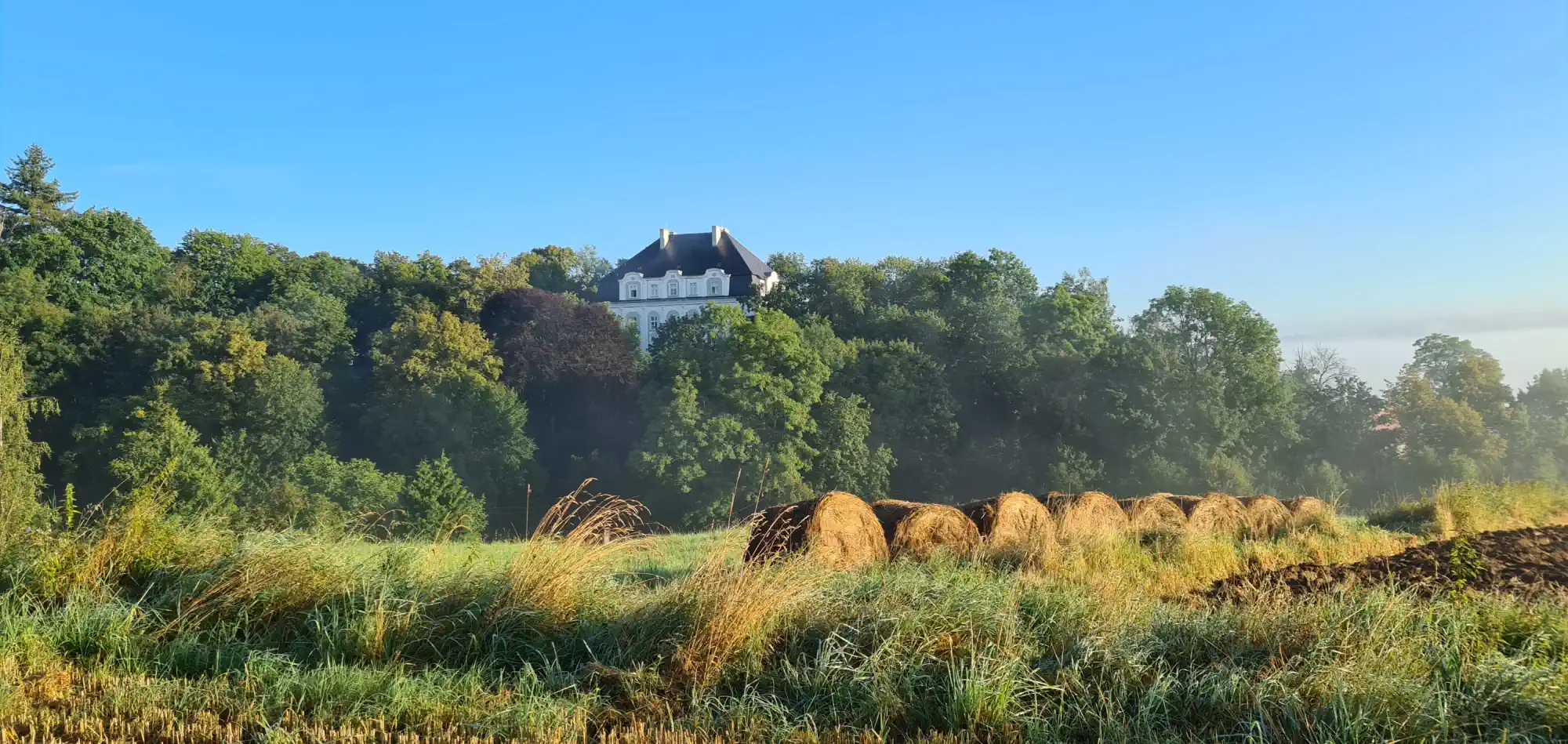 Share Deals - Operating businesses in prime properties across Europe


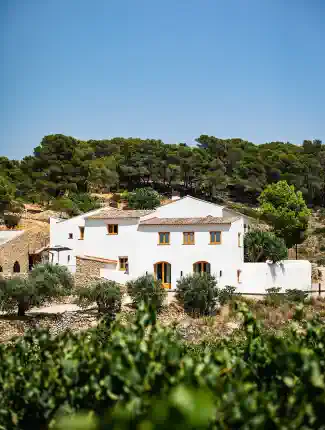
 Masllorenç, Catalonia
Period mansion "Villa Konrad" in Lower Silesia - Acquisition of Company Shares
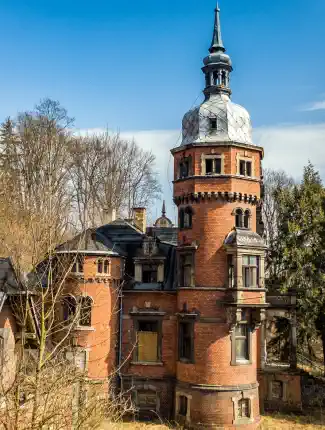
 Nowa Ruda, Lower Silesia
Nowa Ruda, Lower Silesia

 Campulung, Arges
REALPORTICO Share Deals business sales operating in historic properties
Centuries of heritage. A future of enterprise.
Many castles, manor houses and estates today form the foundation of established businesses with reliable revenue streams. Developed over decades by families or investors, their value is inseparably linked to the historic property itself.
REALPORTICO Share Deals gives investors and qualified buyers direct access to a niche segment of business sales, often structured as share deals
, closely connected to historic properties. Every listed property is a fully operational business, with owners ready to transfer both the estate and its ongoing operations. Buyers acquire a proven business model ready to continue as it is or to expand with their own vision. The value of these properties is measured not only in turnover but also in their unique character and cultural heritage, which attract clients and guests alike.
Why owners sell a successful business
Deciding to sell a business is rarely straightforward and usually follows a lengthy process. Often it relates to succession. Owners who have spent decades developing and maintaining the property and business may reach retirement age. The next generation is sometimes not prepared or willing to continue operations in the same way. Sales can also result from strategic realignments or larger restructurings needed to keep the business competitive and profitable in the long term. Whether a prime hotel or a small family-run agritourism venture, operating a business in a historic property requires ongoing investment, careful management, commitment and entrepreneurial skill, qualities not every next generation inherits.
Other owners sell to free capital for new ventures elsewhere. Entrepreneurs who have successfully restored and run a historic estate may seek fresh challenges. Portfolio consolidation or personal reasons can also motivate a sale.
Health and capacity also play a role. Running a historic property can be demanding. When owners recognise they can no longer sustain the necessary involvement, selling is often the responsible decision.
The businesses listed here are generally profitable and well-established. Owners are not seeking to offload problems. They offer opportunities for buyers to continue and grow a proven operation.
Advantages of business sales in Europe
Acquiring a business operating from a historic property can offer significant tax efficiencies, though rules differ across countries. In the UK, share deals are commonly used for such acquisitions, allowing buyers to potentially reduce or defer Stamp Duty Land Tax and other associated taxes. Direct property purchases, or asset deals, may incur transfer taxes, sometimes exceeding 10% of the purchase price.
Elsewhere in Europe, tax treatment varies. Germany requires careful planning to minimise property transfer tax. France offers benefits through droits d'enregistrement. Italy, Spain, Portugal and Austria each have their own rules, exemptions and thresholds. Some countries provide special provisions for listed buildings or agricultural estates.
Tax implications extend beyond the purchase itself. VAT, ongoing property taxes and potential capital gains considerations differ between asset and share deals. In some cases, buyers inherit tax-favourable positions or depreciation schedules that would otherwise be lost in a direct property purchase.
For buyers: Tax legislation across Europe is complex and regularly updated. What applies in one country may not in another. Before acquiring a business, consult advisors familiar with both the country of the property and your personal tax residency. With expert guidance, potential savings can be substantial.
Typical business types in historic properties
Some property types are particularly suited to business sales because the operation is integral to the value and purpose of the estate. Common examples include:
- Hotels and boutique hotels
Historic hotels are the most common type. From small boutique hotels in converted manor houses to large castle hotels, sales include the property, established booking systems, staff expertise, supplier networks, business contacts and often long-standing client relationships. - Bed and breakfasts
Smaller properties, often family-run, offer a personal touch that is part of their value. The handover is usually smoother than larger hotels, though success still depends on reputation and operational know-how. - Prime hotels
Prime hotels, from Belle Époque grand hotels to converted castles, are among the most demanding operations and often part of high-end historic portfolios. Running them requires investment in staff, facilities and marketing while giving experienced entrepreneurs the opportunity to leverage established brands and exclusive market positions. - Event venues
Castles, manor houses and estates for weddings or corporate events come with suppliers, marketing channels and often long-term bookings. The historic character is central to appeal and owners have invested heavily in preservation and modern standards. - Wineries
Historic estate wineries combine agriculture, production, sometimes accommodation and always the intangible value of the wine brand. Buyers acquire vineyards, cellars, distribution networks, wine club memberships and decades of reputation. - Agricultural estates
Active farms, whether crop, livestock or mixed, include land, machinery, supply contracts and often EU subsidies or certifications. - Equestrian estates
Horse farms with boarding, training or breeding serve specialist markets. Facilities, including stables, arenas and paddocks, form the foundation. The business value is in the reputation of trainers, loyal clients and sometimes acquired horses or bloodlines. - Agritourism
Combining farming with accommodation, farm-to-table restaurants, educational programmes and activities, these businesses capitalise on the growing interest in rural heritage and sustainable tourism.
What you should know before making contact
Selling a historic property as a business requires greater care than a standard property transaction. Review financial statements, employment contracts, supplier agreements and licences, especially those relating to heritage protection and commercial use.
Check preservation requirements. Some buildings have restrictions on renovation or commercial use. Far from being a disadvantage, this often protects the unique character that sustains the business. You just need to understand the rules.
Deal structure matters. In a share deal, you acquire the company with its existing obligations. Experienced sellers provide full documentation. Seek legal and tax advice from professionals experienced in property and business acquisitions. Tax benefits exist but only if structured correctly according to local law and your circumstances.
Consider the transition period. Many sellers stay for a few months to ensure a smooth handover, introduce key contacts, explain operational processes and maintain continuity for staff and clients. This is particularly valuable when entering a new market or sector.
How REALPORTICO Share Deals works
The current filters take you to the list of active Share Deals. Owners offer the property alongside the operational business. Contacting them expresses interest in acquiring both estate and business.
Each listing details the property and business activity. Some sellers share financials upfront; others after initial contact. Both are standard practices. The key is ensuring the property and business align with your investment goals.
Finding the right opportunity
These opportunities are rare. Historic properties with successful businesses reflect decades of careful stewardship. When offered, they attract serious buyers who appreciate the unique value: cultural heritage generating income, protected by heritage status and operated by committed owners.
REALPORTICO Share Deals offers a curated selection in a complex market. Financial metrics matter, but buyers also acquire an operating business in a prime, often culturally significant location. The right opportunity combines economic potential with responsibility for heritage. Buyers receive a business ready to run and a property whose value goes beyond simple functionality.
It takes years to build a thriving business. It takes dedication to maintain a historic property. Few ventures combine both so seamlessly.
read on