
European landmark estates. New custodians.
Historic properties for sale: Stresa
Stresa: from fishing village to spa and tourist destination
Stresa, located on the western shore of Lake Maggiore, was first documented in 998 CE. The settlement originated as a small, isolated fishing village with a limited population.
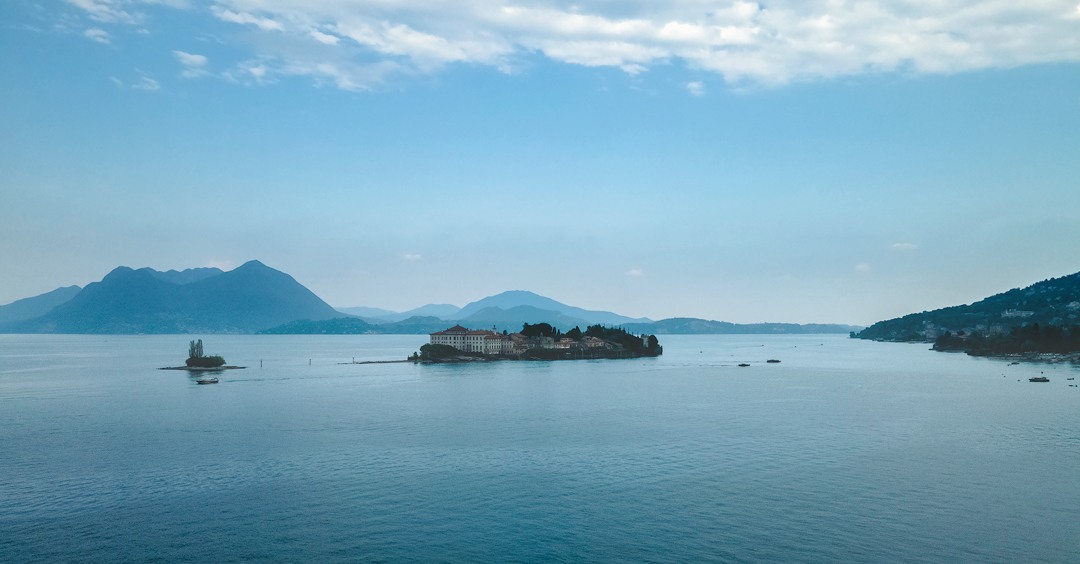
From the 17th century onwards, the Borromeo family reshaped the local landscape and built environment. The transformation of Isola Bella into a Baroque island palace, which began in 1632, resulted in one of Northern Italy’s most significant Baroque ensembles. Together with Isola Madre and Isola dei Pescatori, the Borromean Islands remain central to the identity of the region.
First villas on the lake
The construction of grand residences in the 18th century marked a shift in the region’s development. Around 1770, the present-day Villa Ducale, originally known as Villa Bolongaro, was established as an early example of these country estates.
In the following years, Lake Maggiore attracted further notable residential developments, including Villa Pallavicino.
Belle Époque and transport links
The opening of the Simplon Tunnel in 1906 connected Lake Maggiore to the European rail network. Stresa subsequently developed into a summer destination for European high society, characterised by grand hotels and seasonal cultural events.
In the early 20th century, the town also hosted early beauty pageants that preceded later national formats such as Miss Italia.
Stresa today
Stresa remains a key tourist centre on Lake Maggiore. Regular events include the "Settimane Musicali di Stresa e del Lago Maggiore" and the Midsummer Jazz Concerts.
Smaller regional festivals and local cultural exhibitions complement the seasonal programme throughout the year.
Current use of historic villas
Historic villas on Lake Maggiore serve a variety of functions today:
- Private residential estates
- Boutique hotels and luxury accommodation
- Holiday apartments
- Corporate headquarters and representative offices
- Art galleries and exhibition spaces
Sports and leisure
The location supports sailing, swimming, hiking and cycling in the surrounding hills. Several golf courses operate nearby, including Golf des Îles Borromées.
Monte Mottarone offers year-round recreational opportunities, with hiking trails in summer and winter sports facilities during the colder months.