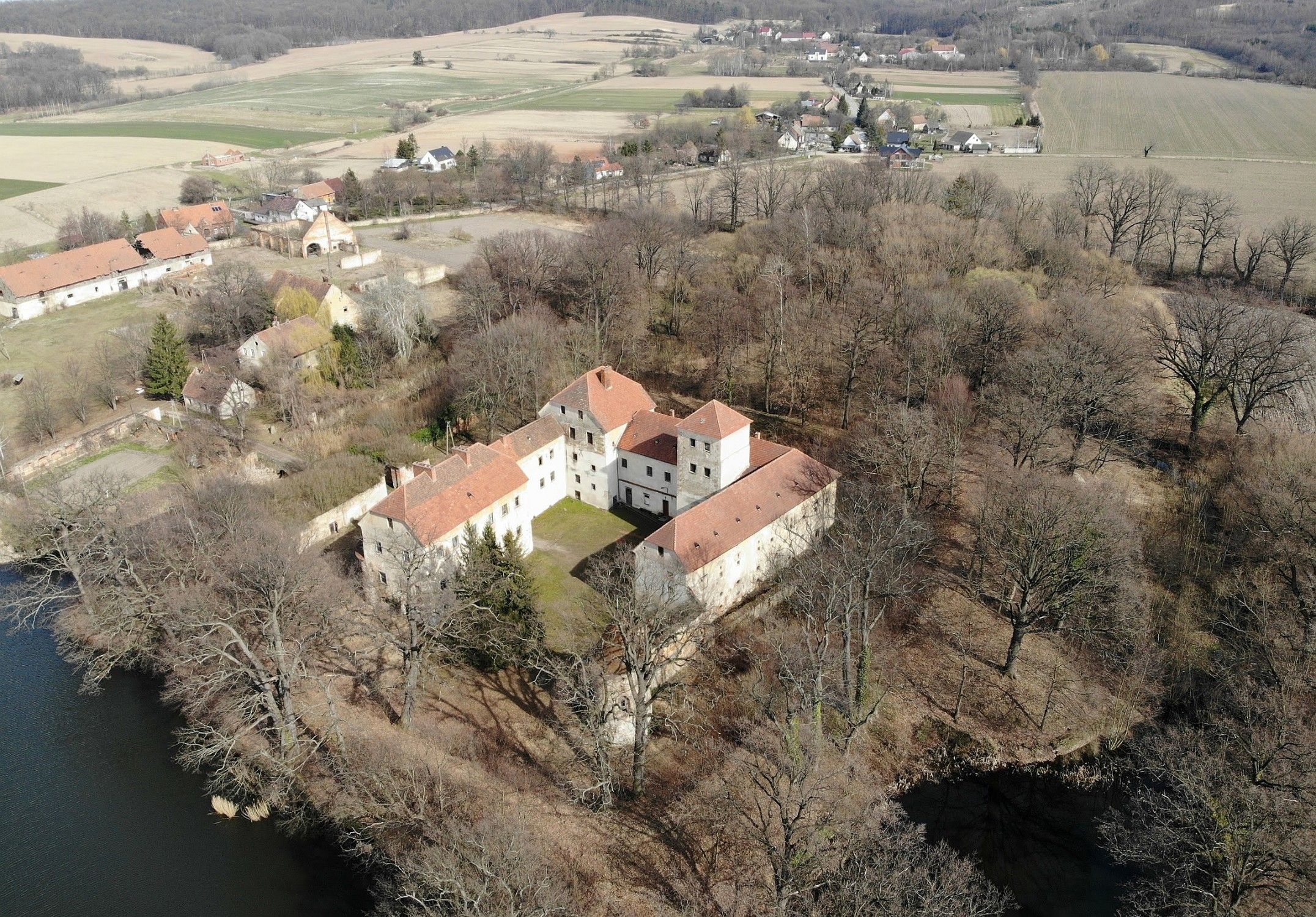
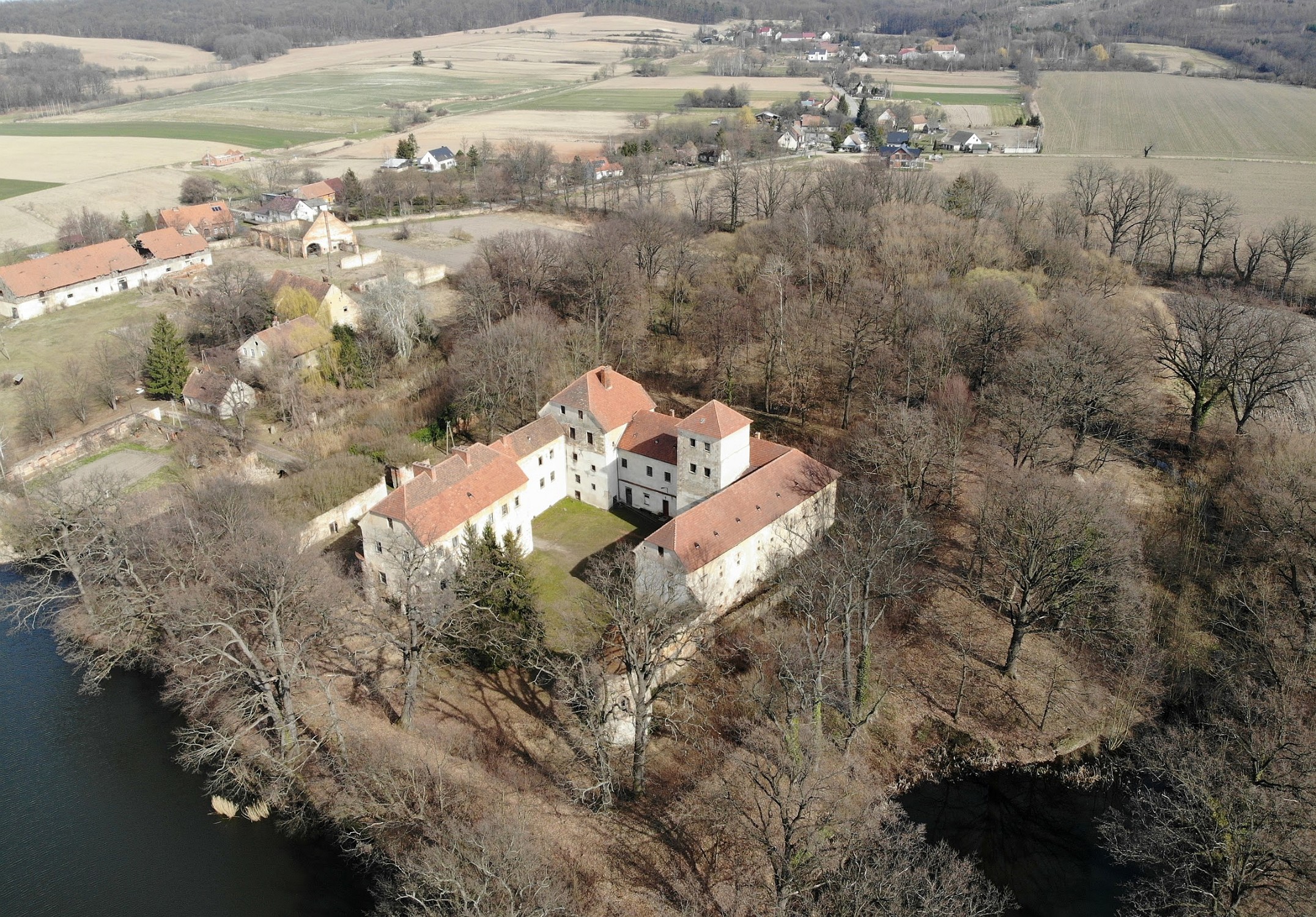
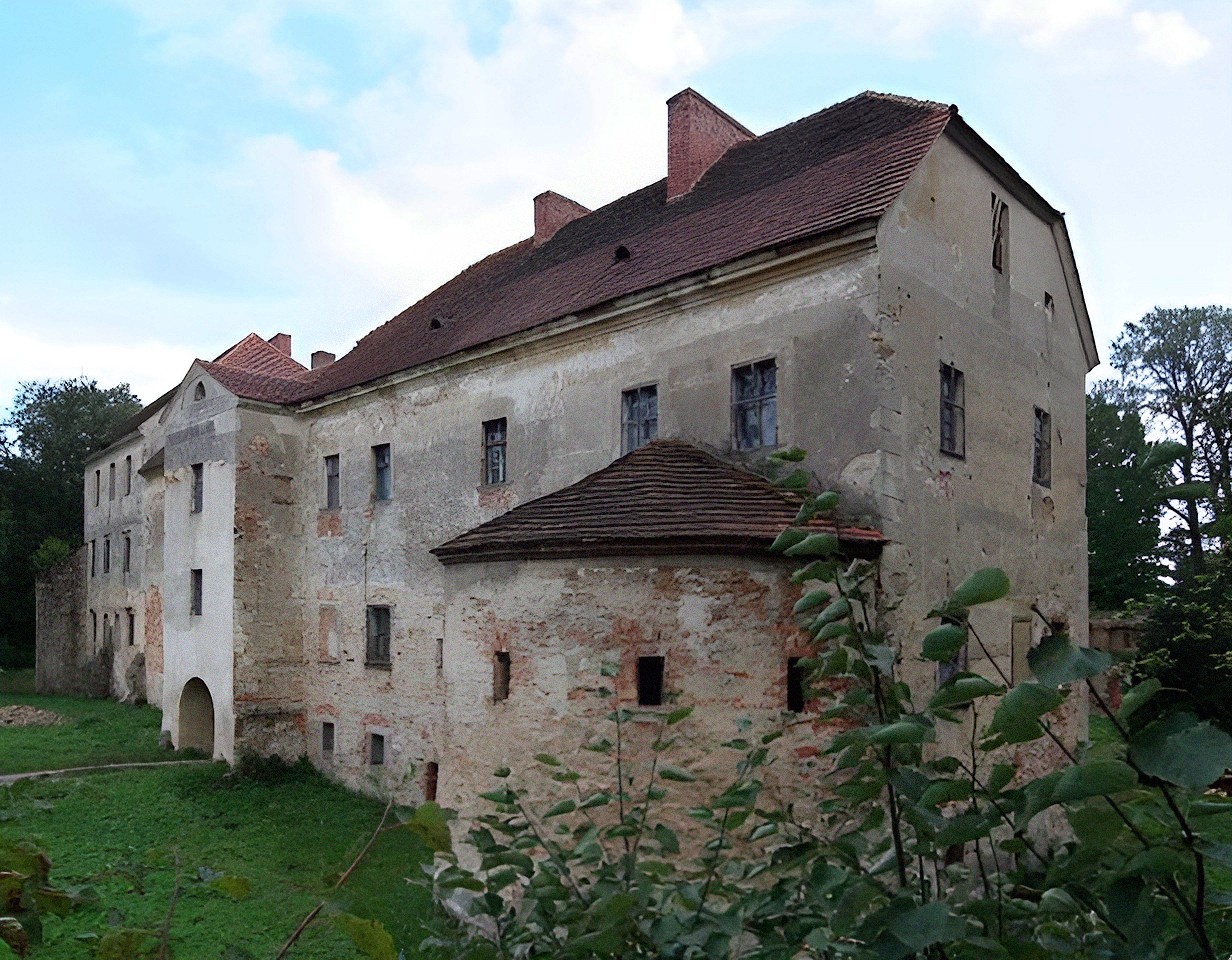
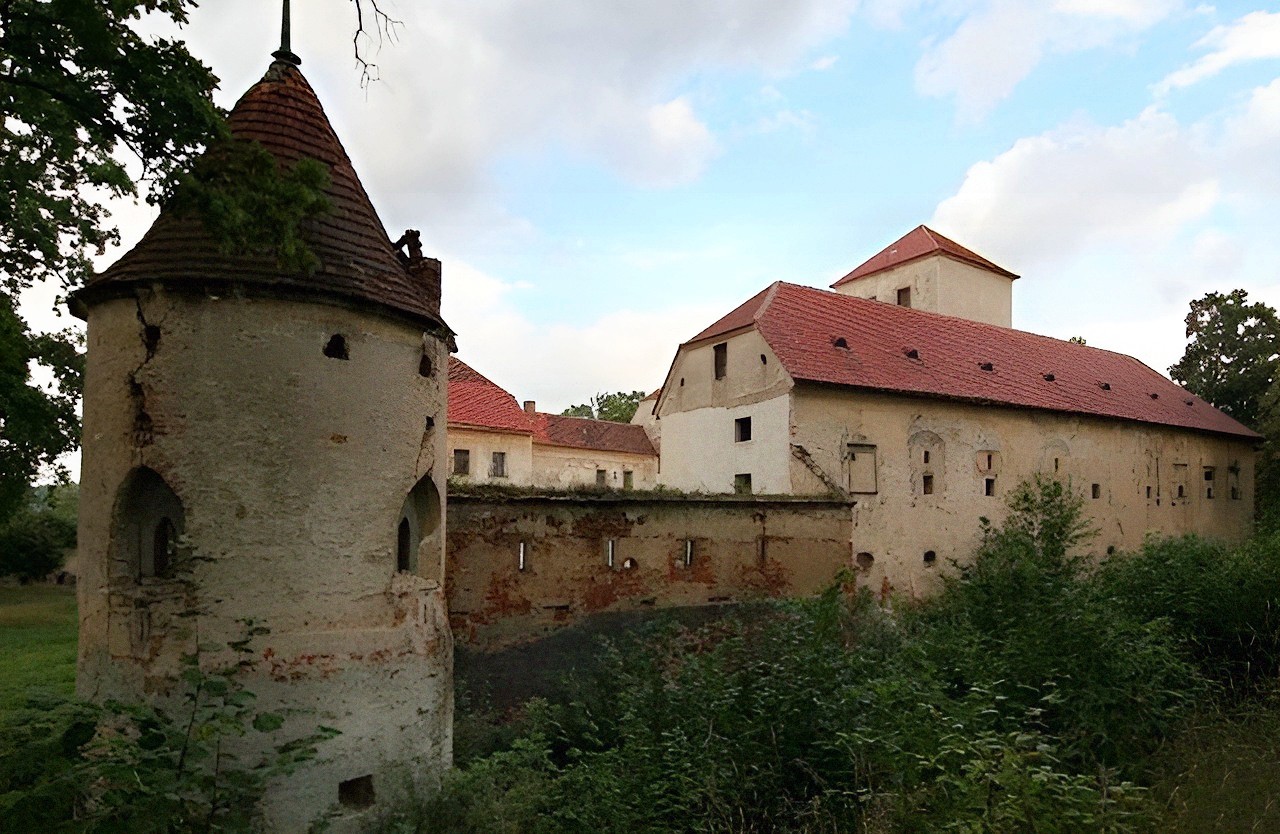
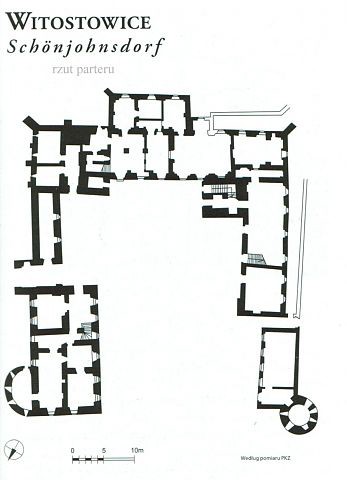
The moated castle in Witostowice is situated on an 11.62-hectare plot of land enclosed by outer defensive walls. It is surrounded by an inner moat, followed by an earthen defensive wall with five bastions and casemates. A second outer moat is crossed by a stone bridge, connecting the castle to the adjacent manor buildings. The moat is fed by underground springs and a mountain stream, with the outflow directed into the Oława River via a weir.
Area Details
- Total area with castle, fortifications, moat, park, and meadows: 9.27 hectares
- Manor complex area: 2.35 hectares
- Usable floor space: 4,930 m²
- Building volume: 12,851 m³
- Total plot size: 11.62 hectares
Notable Features
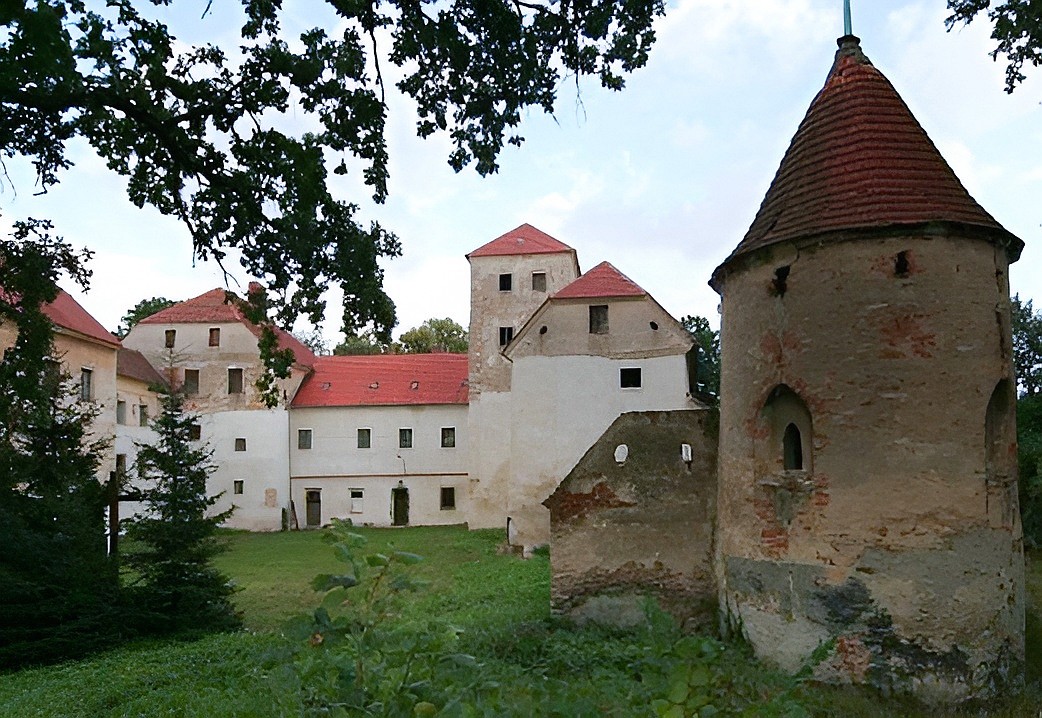
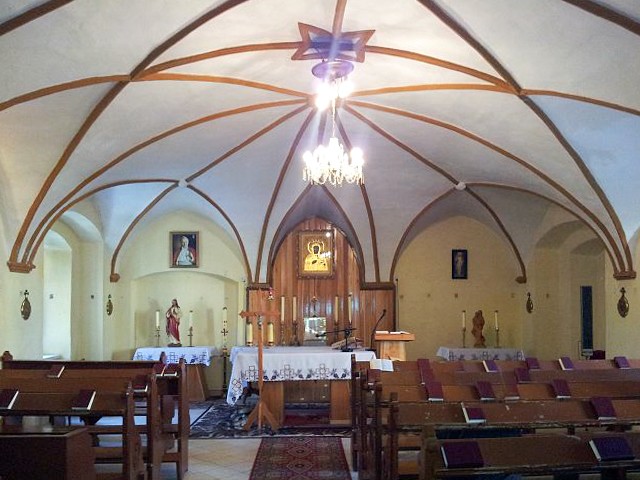
The property includes a well-preserved Cistercian chapel. However, the historic estate requires significant investment. There is no local zoning plan, allowing for flexible development of the property for various commercial and entrepreneurial purposes. Multiple grants and funding opportunities are available, and it is possible to acquire up to 100 hectares of additional agricultural and forestry land if desired.
History
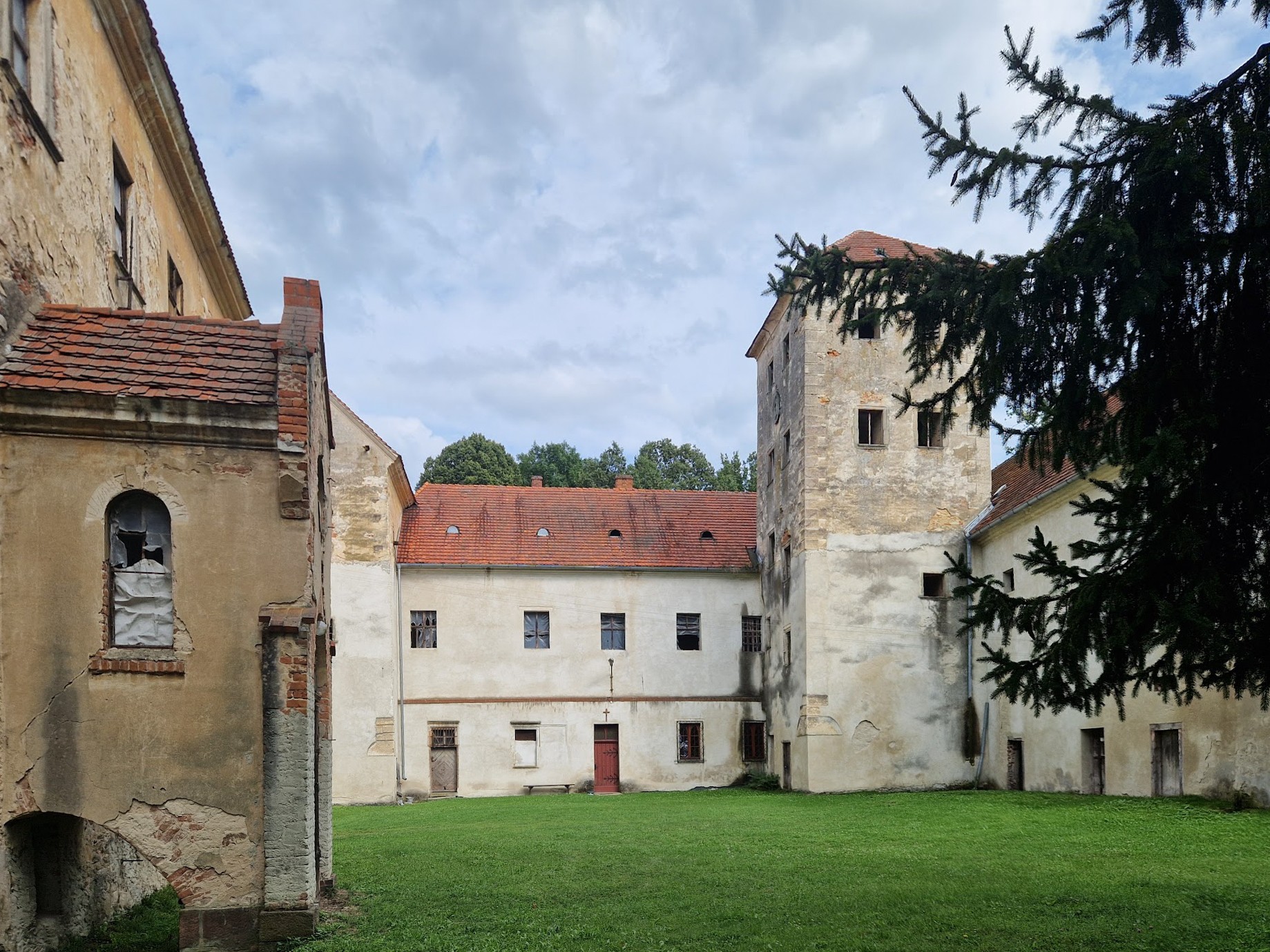
The castle was built in the mid-14th century on the site of an older fortress. In the 16th and 17th centuries, it was rebuilt in the Renaissance style, which remains visible today. A square tower stands in the castle courtyard, while a former Baroque-style smithy is located in the manor courtyard. A stone bridge replaced the original drawbridge, now connecting the two courtyards.
Until the 18th century, the castle was owned by various noble families. It was later acquired by the Cistercian Priory of Heinrichau (Henryków). After the dissolution of the order in 1810, the property passed to King Friedrich Wilhelm III and eventually to the Grand Dukes of Saxe-Weimar, who owned it until 1945.