RTICO
RTICO
Castilla-La Mancha: Spain's historic heart
Travellers to Spain often think first of islands, tapas bars and crowded holiday destinations. Yet inland, Castilla-La Mancha offers a different side of the country. Once a key region of the Spanish Crown, it is now best known internationally through Miguel de Cervantes' novel Don Quixote
, whose vast, arid plains, windmills, castles and villages form the backdrop to one of the most celebrated works of world literature. The region's history is still reflected in its towns, rural architecture and historic estates.
While international buyers tend to favour Spain's better-known coastal regions, Castilla-La Mancha has received comparatively little attention. Yet the region is worth exploring for its cultural heritage, historic architecture and property market. Beyond the main towns, manor houses and country estates have survived across the centuries, offering a different perspective on Spain's architectural heritage.
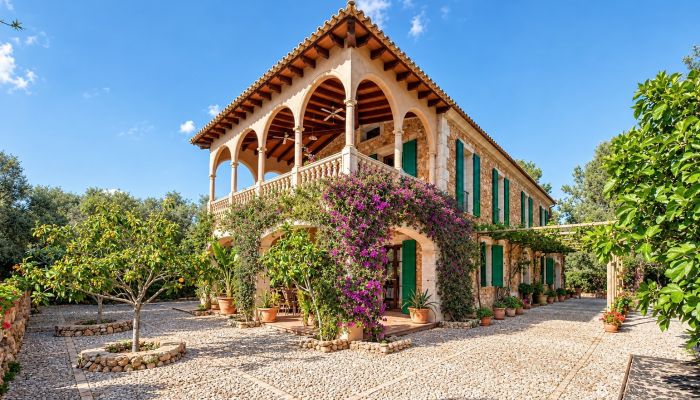
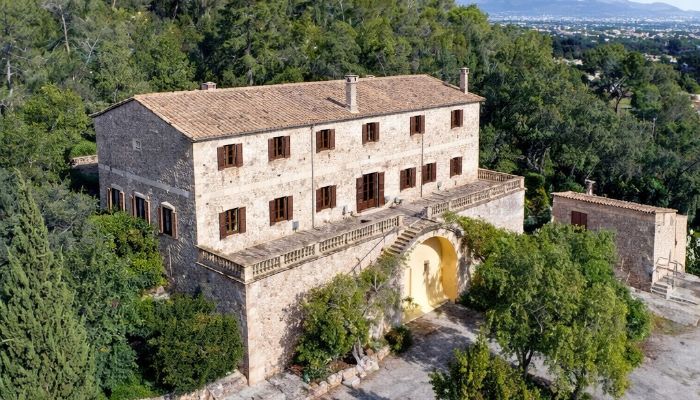
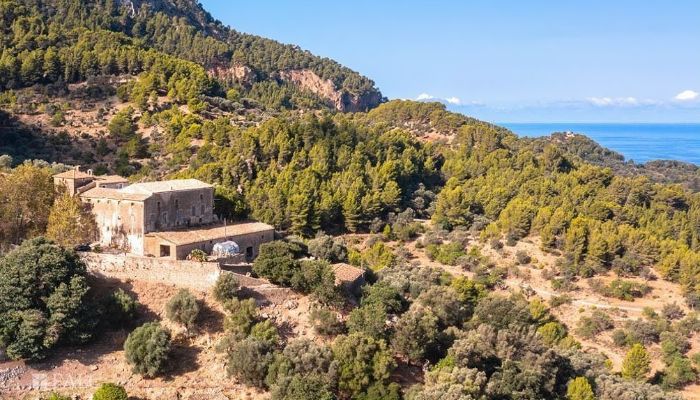
Castile is not Mallorca
With relatively low property prices, Castilla-La Mancha offers an accessible entry point into Spain's historic property market. The region also retains a remarkable number of historic buildings, many of which have yet to attract international attention.
At this price level, buyers should generally allow some room in their budget for modernisation or restoration, particularly if they plan to use the property for tourism or commercial purposes.
Chinchilla: historic houses along narrow streets
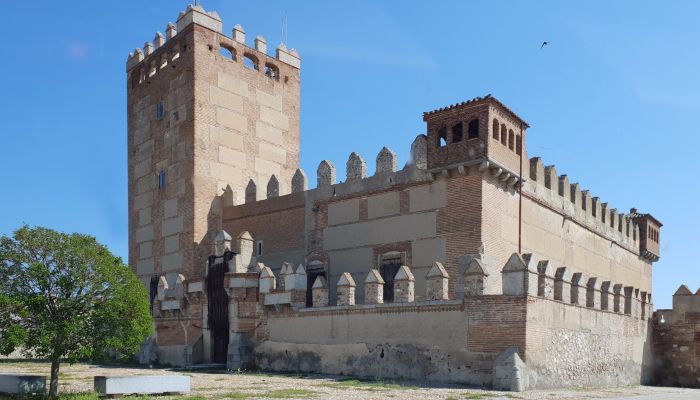
Not far from the provincial capital of Albacete, the historic town of Chinchilla de Monte-Aragón stands on a hill. Once more important than Albacete itself, it retains much of its historic character, including the imposing Castillo de Chinchilla de Montearagón.
Walking through its cobbled streets, visitors encounter numerous stately townhouses. Known as casas solariegas, these residences are comparable in some respects to Italian palazzi. They reflect the social standing and influence of local elite families during the 18th and 19th centuries.
A short walk from the old town's central Plaza de la Mancha, Calle Virgen de las Nieves leads south. The first narrow lane on the right is easy to miss. Look up, however and a decorated portal and striking skylight dome come into view.
A casa solariega is a traditional family residence associated with a family's ancestry and heritage, often of noble origin. The term does not refer to a specific architectural type. Depending on the region, location, function and size, such residences may be described as a palacio (a grand urban or rural residence), hacienda (an estate with agricultural functions), pazo (in Galicia) or casona (in northern Spain).
A coat of arms above the entrance or on the facade may indicate the family's lineage or social standing.
Unlike the broader term casa señorial, which refers generally to a manor house, casa solariega places greater emphasis on family heritage and ancestral ties, particularly among the Spanish nobility.
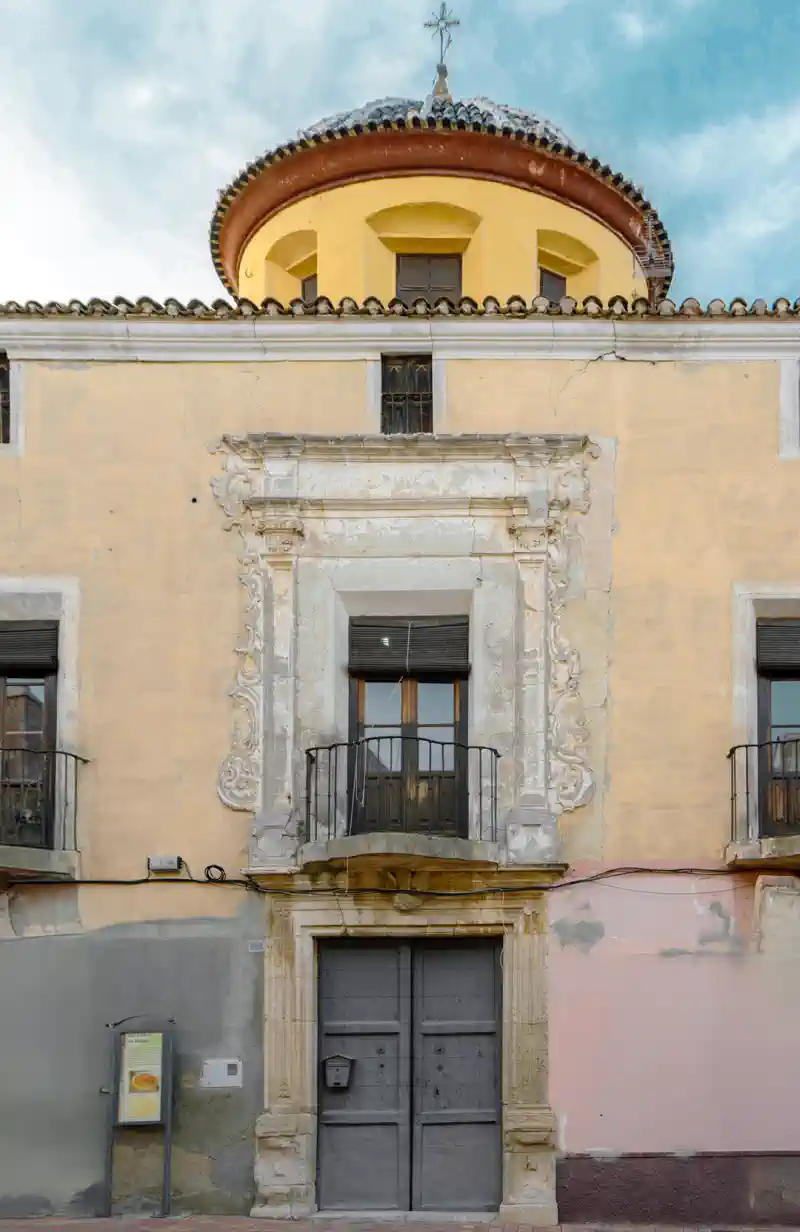
A commemorative plaque and coat of arms hint at the house's aristocratic past
A house with a dome: Palacio de la Cúpula
The dome that gives the Palacio de la Cúpula its name sets the house apart from the other historic residences in Chinchilla. Tucked away in a narrow lane, it gives little away from the outside. Inside, daylight filters into the spacious entrance hall, which opens onto a courtyard and roof terraces.
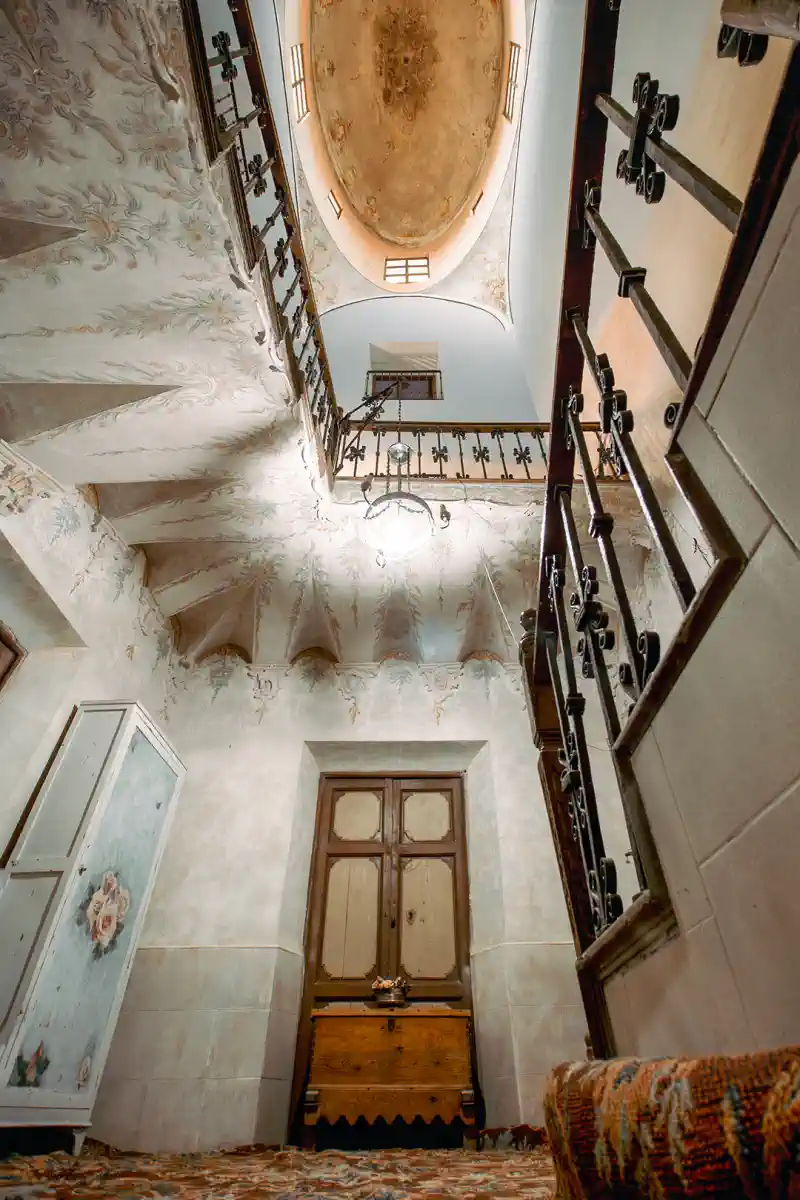
The domed ceiling draws the eye upwards on entering the house
The upper floor preserves the character of the historic interiors. Panelled salons with painted motifs, fine porcelain, lace dresses and Isabelline furniture offer a glimpse into domestic life among Spain's upper classes in the 18th and 19th centuries. The house later passed into middle-class ownership.
The house was built around 1770 by Field Marshal Jerónimo Moreno Frías and is officially known as the Casa solariega de los Moreno. His grandson later lived here and was appointed to the Spanish Senate by the king in 1872. The building subsequently served as the home and medical practice of a doctor, a chapter reflected in the collection of medical instruments still housed there. Its history remains tangible in the rooms and objects.
The original Palacio de la Cúpula extended into adjoining parts of the building, which were later separated. The remaining property has 18 rooms and a total area of 600 square metres.
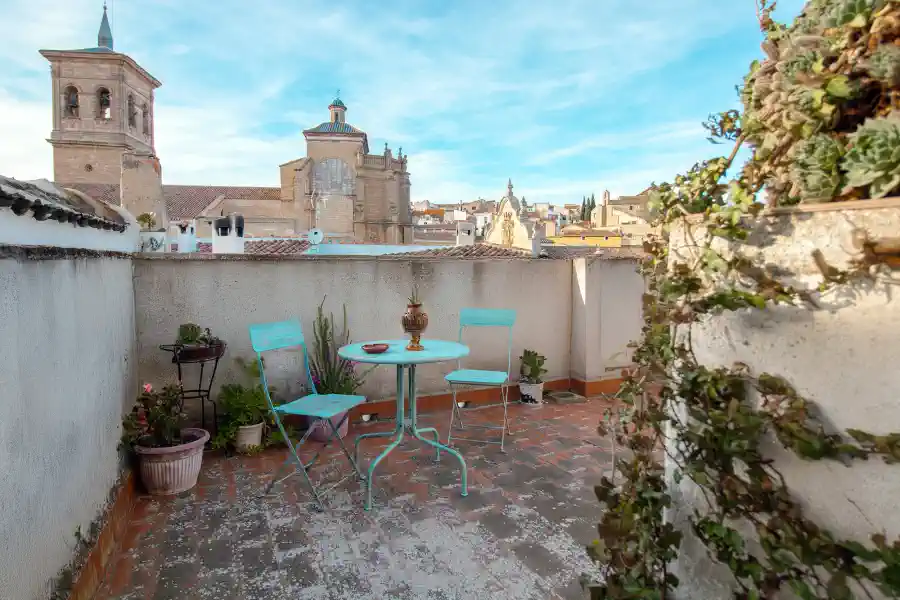
Roof terrace of the upper-floor apartment
Home, secret museum and film set
The palace's special aura has earned it a reputation beyond Chinchilla as a secret museum
. The owner occasionally opens the doors to visitors, who can explore the old cellar vaults, the light well and the upper floor. The palace also hosts selected events.
The rooms are a popular setting for photo shoots and recently served as a location for the short film El velo del ayer (The Veil of Yesterday
) by Albacete-based artist Andrea Torres.
Visitors often describe it as a special place. The new owners take over a house that has become part of Chinchilla's identity, with a ready-to-occupy living area and scope for further cultural, tourism-related or private use.
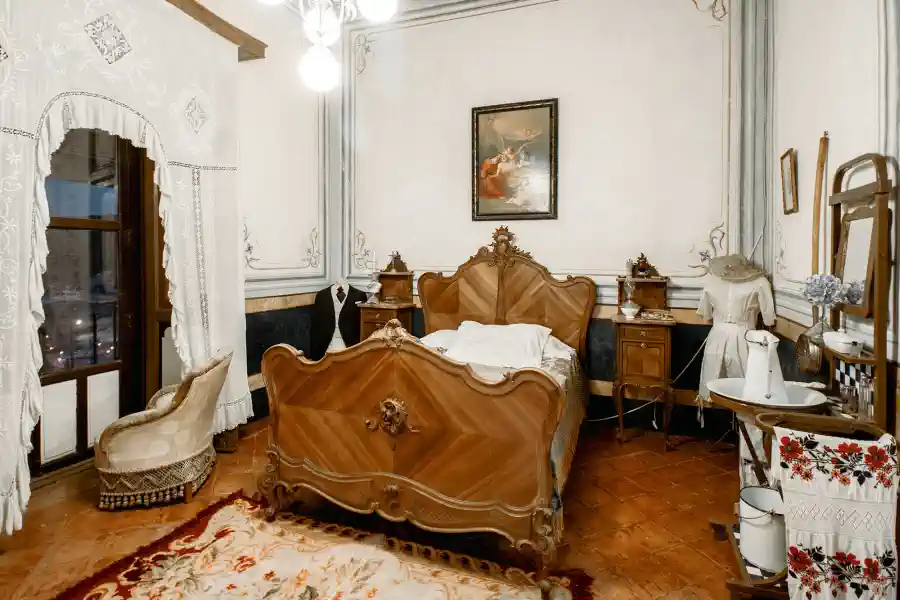
The town's history lives on in these rooms, no museum required.
Photos: Andrea Torres
Casa solariega de los Moreno
Chinchilla de Monte-Aragón, Castilla-La Mancha
Listed on REALPORTICO, the town palace attracted strong interest from buyers across Europe and overseas. It has now found new owners from the USA.



 Mallorca, Serra de Tramuntana, Cas Català