RTICO
RTICO
Italy has long held a special place in the European imagination. Changing expectations, global developments and new challenges are reshaping perceptions of property as an investment, as well as how properties are used and brought to market.
Which concepts stand the test of time? Who looks after a property when its owner is away and what are the ongoing costs? These questions are becoming increasingly important, even for buyers at the top end of the market.
Alessandro Camisa divides his time between Florence and Bologna. His work in property has given him close ties to Central and Southern Italy, where he knows the people and understands the local way of life. Alongside property sales through Dimore by Camisa, he creates settings for Mediterranean retreats and bespoke stays for guests from Europe and the United States through Camisa Homes & Villas. He also performs in Italy as a singer-songwriter under the name Camisa.
We speak to Alessandro about Italy today, the people behind ambitious property projects, the differing expectations of international buyers, viable business models and how climate considerations and resource efficiency are reshaping the property market in Southern Europe. The conversation ends with his idea of a perfect Italian evening, bringing together setting, food, music and hospitality.
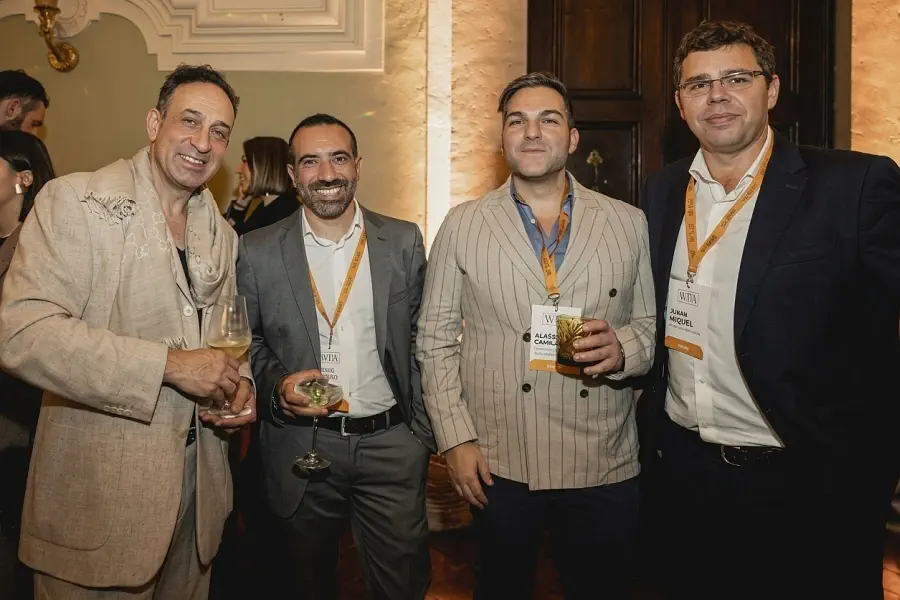
Alessandro Camisa (second from right)
- Living in Italy, not just visiting
- An ordinary week as a test
- Old architecture, contemporary design
- Business model or passion project
- The holiday begins before arrival
- From architectural appeal to practical value
- Climate, water and shade
- A long table in Puglia
1. Alessandro, Europe is changing and so is the way people look at the south. What kind of Italy are buyers looking for today, beyond the old dolce far niente
narrative?
Landscape, architecture, food, human warmth: in many respects, Italy is still the Italy it has always been. Yet I think the desire has become more personal. Conversations quickly turn to what life here might actually look like. People imagine their own daily routines and ask whether a particular place would suit them.
Can the house bring several generations together? Will it still feel right after a month? Can you work from here? Who looks after the property when you are away? Is there a village nearby where you can gradually become a familiar face? And are you willing to let the Italian way of life draw you in?
These questions matter just as much as the view. A beautiful property only acquires its full meaning when you feel connected to the place and its surroundings.
Even smaller investments are now being examined more carefully and over longer periods. Maintenance, management, accessibility and the potential uses of a property all play a part. It can take many months for a clear decision to emerge.
In my work at the intersection of property and hospitality, these considerations come up time and again. They call for sustained engagement and a willingness to offer a clear perspective.
Dolce far niente
very much still exists. The sense of effortlessness it suggests does not, however, come about by itself. It takes good planning, careful organisation and a great deal of work behind the scenes.
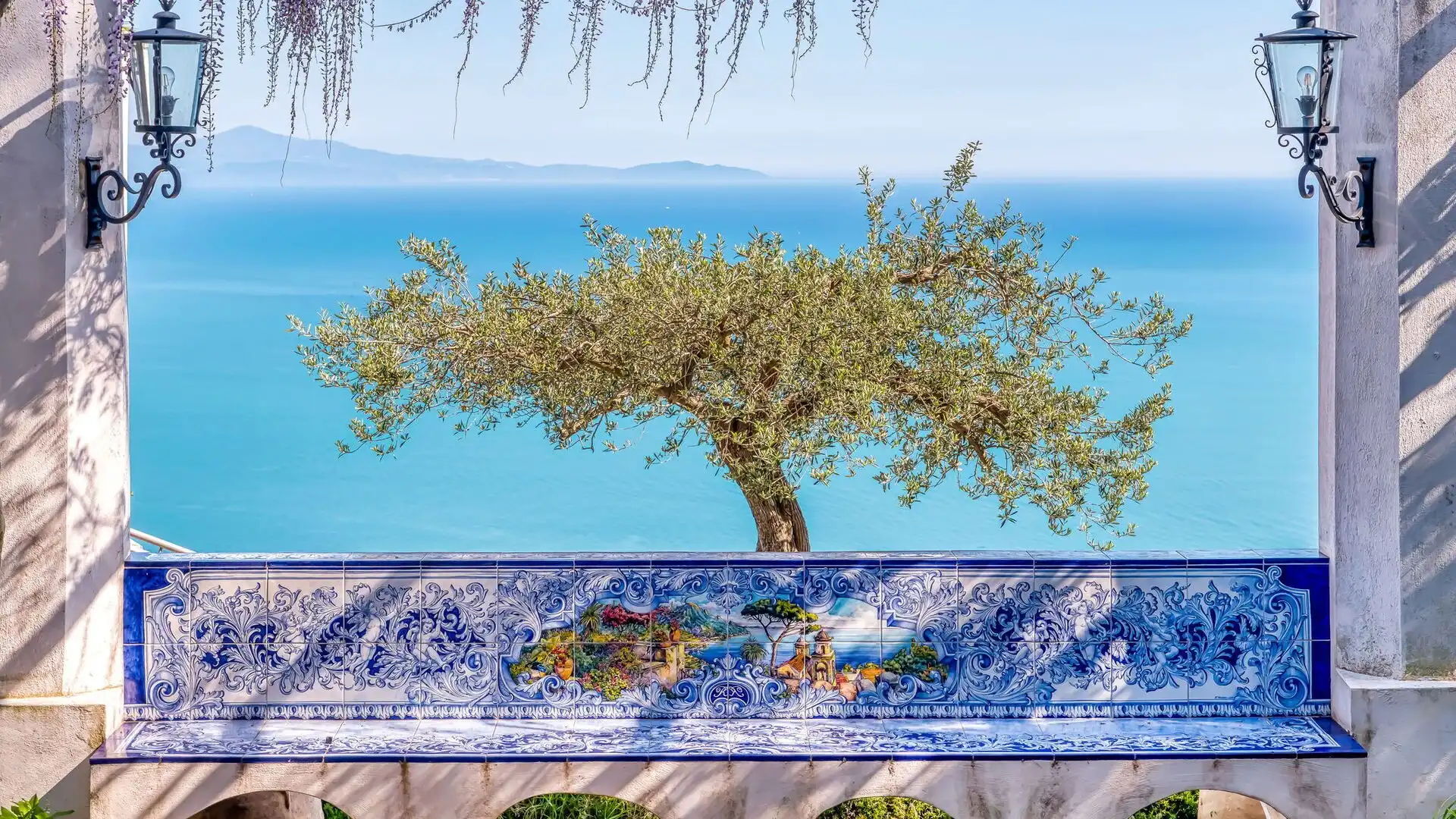
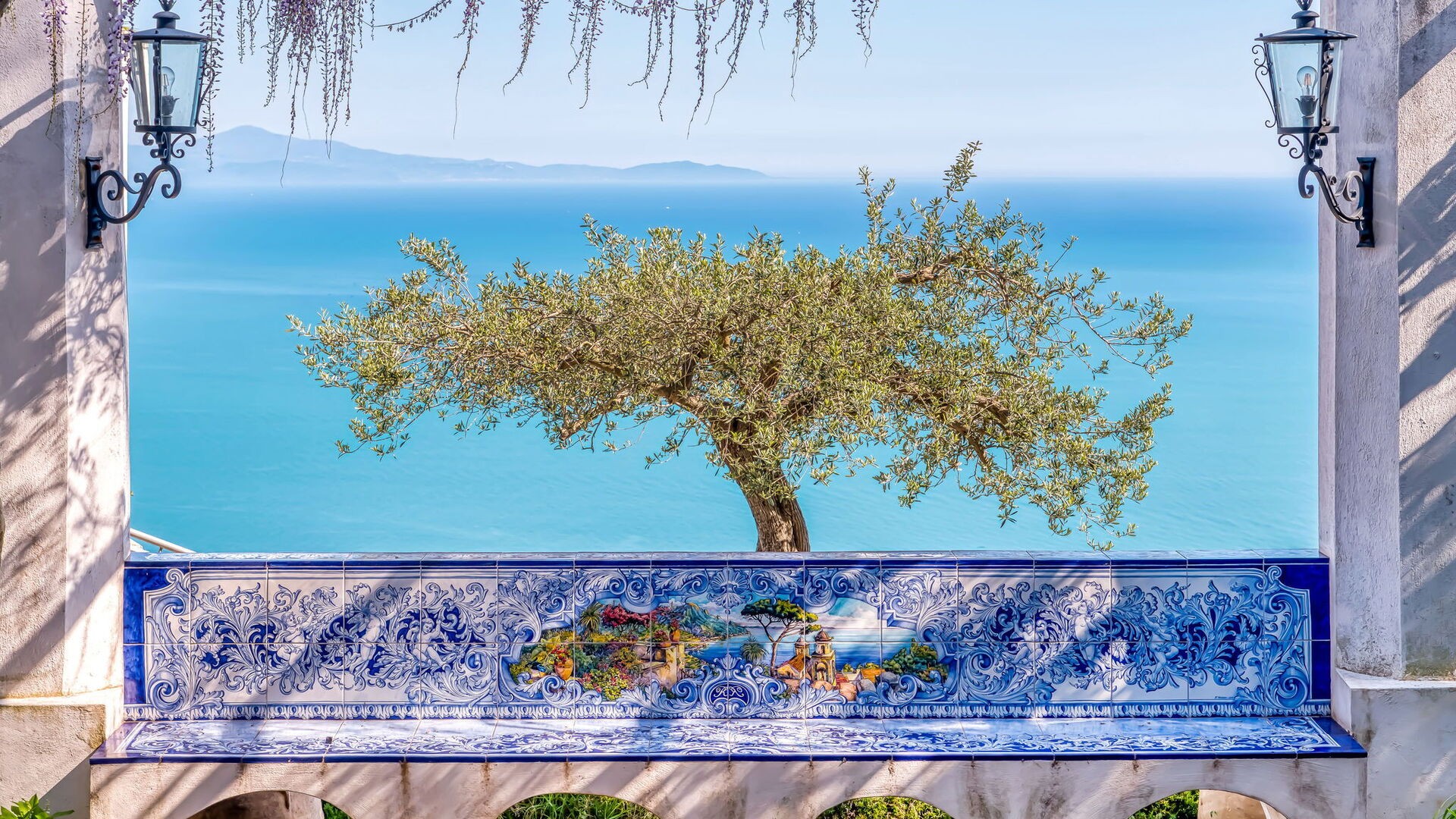
Villa Adriana, Amalfi Coast
Just the beginning: What does everyday life look like here?
2. You work with clients from all over the world. Do genuine cultural patterns emerge among buyers from the US or Europe, or are these largely generalisations?
National categories are of limited use to me in practice. How someone wants to use a house tells me far more about them than their passport.
For an American buyer living on the other side of the Atlantic, geographical distance is naturally a key consideration. We discuss who will manage the property, coordinate maintenance and prepare the house before each arrival. Longer family stays and the practicalities of bringing several generations together under one roof can also shape the search.
Someone based in Germany or Switzerland may be able to visit more frequently, including for shorter stays. Other questions then come to the fore: how well connected is the property? How quickly can you reach the nearest airport? And can the house be used comfortably outside the summer season?
Technical documentation, running costs and clear communication matter to everyone. What often differs is not so much the concern itself as the order in which different topics arise.
I therefore like to ask buyers to picture an ordinary week in their future Italian home. What would everyday life look like? Who would come to visit? How often would they want to be there themselves? The answers usually reveal far more about the right property than any conventional wish list.
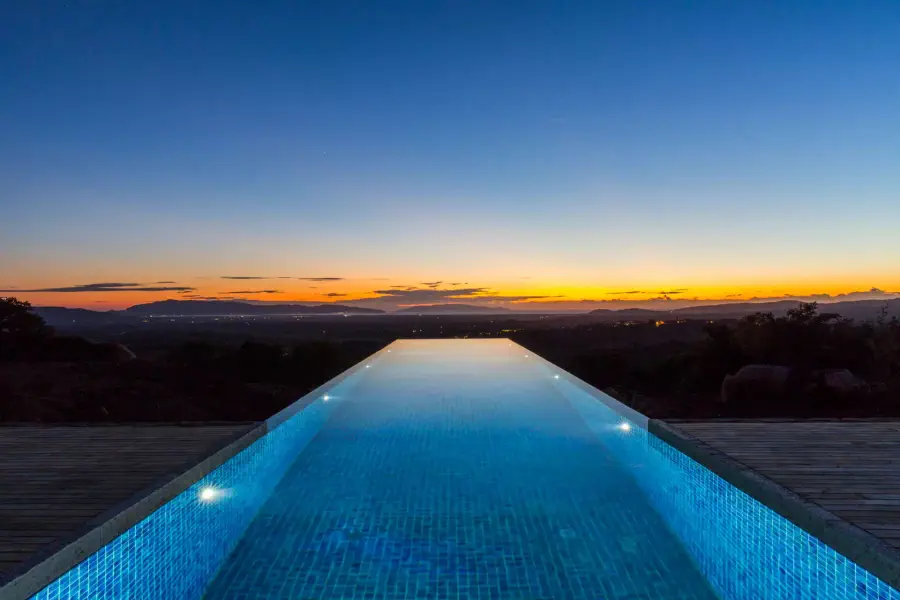
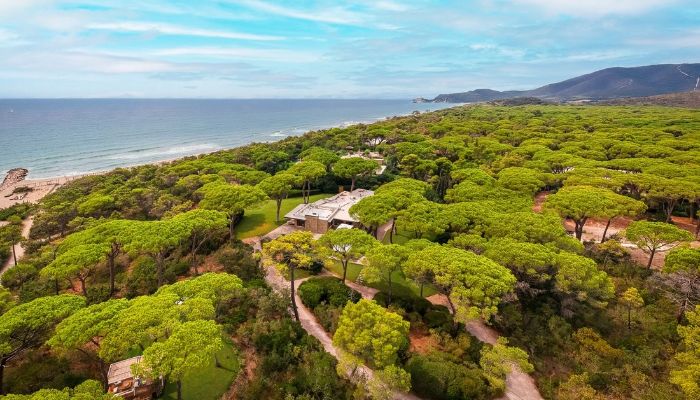
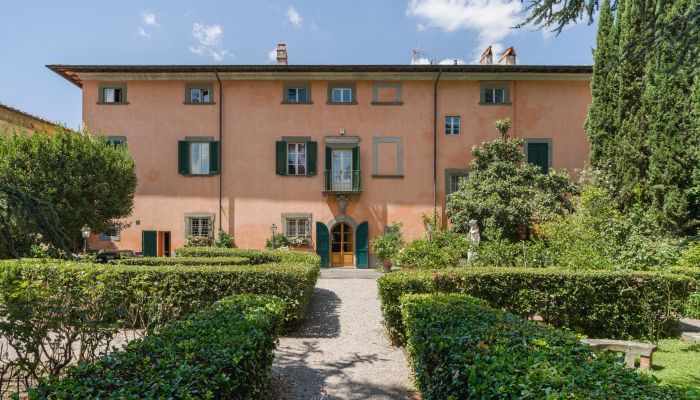
Villa Monte Argentario, Tuscany
A valued setting beyond the coast
3. Many properties in the Dimore by Camisa portfolio are worth several million euros, showing historic architecture alongside contemporary design. Who commissions these projects and how do they bring together different centuries?
In Italian, dimora (plural: dimore) denotes a residence, often one of historic or architectural significance. The term is used alongside castello, palazzo and villa.
The motivations behind these projects vary considerably. When a property has been inherited, family ambition and emotional attachment often play a significant role. Entrepreneurs and investors tend to start with feasibility studies before developing a hospitality concept. Then there are enthusiasts with the financial freedom to shape a property entirely according to their own vision, refining it over time without measuring every decision against commercial returns.
The outcome depends on planning, coordination and close collaboration across the entire team. Architects, conservation specialists, local craftspeople, property managers and everyone working behind the scenes need to work towards the same goal while understanding their respective responsibilities. When the team works well together, the quality shows in the details. When coordination breaks down, costs can escalate quickly.
My preference is for restorations that leave the original fabric of a building visible. Stone, proportions, old doors and the relationship between rooms deserve particular care. Contemporary design can then provide modern comforts through lighting, bathrooms, acoustics and discreet technical systems.
I am also drawn to restraint. Period mansions were often filled with objects, sometimes to excess. Today, a fine piece of contemporary furniture can sit beautifully beneath an old vaulted ceiling precisely because neither competes for attention.
Ultimately, a house must work as a home and feel comfortable to live in. Its history may recede into the background of daily life, but its presence remains.
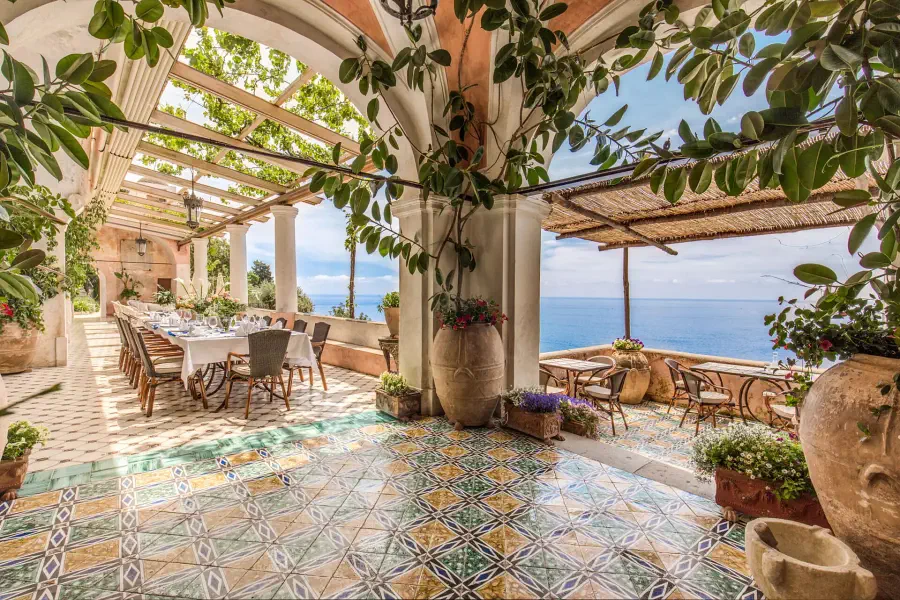
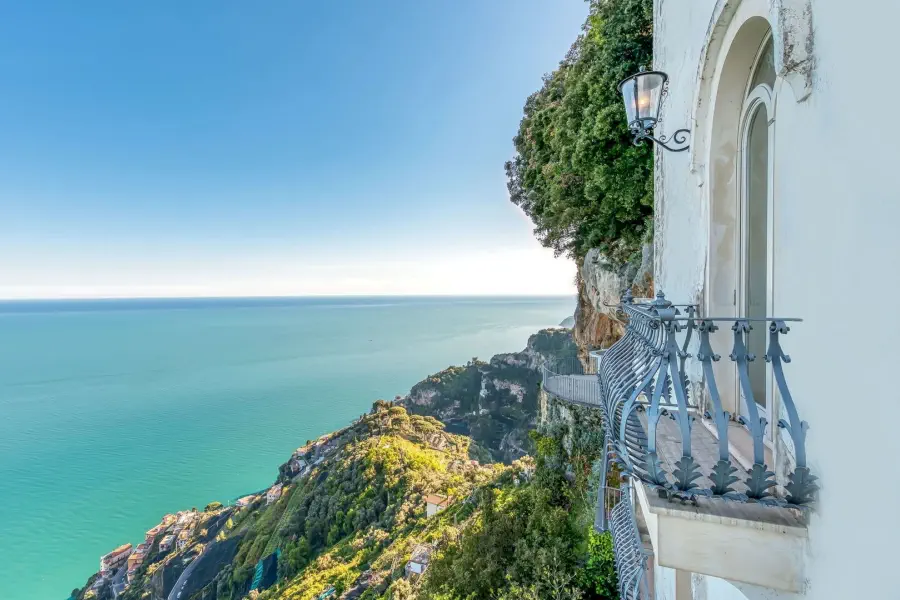
Villa Servidei, Positano
Historic architecture, contemporary design
4. Private residence combined with hospitality, events or agricultural activity such as wine and olive production: which of these concepts can still work and where does it become a passion project?
For me, three questions come first: who is the offering for? What makes this property interesting to those people? And what will it take to maintain that standard consistently over time?
Villa rentals can work well where privacy, quality and service are genuinely in place. Smaller hospitality concepts need a clear identity and a staffing structure that is economically sustainable. Events can contribute additional revenue, but whether they suit a property depends on many factors: access, neighbours, regulatory requirements, infrastructure and a reliable alternative when the weather turns.
The desire to engage in agriculture on a smaller scale is quite widespread. Many estates have a vineyard or olive grove that defines much of their character. Agriculture, however, requires its own business plan. Production, specialist labour and distribution call for real expertise and a clear-eyed view of the effort involved. Capital alone is rarely sufficient to operate profitably over the long term or to establish a brand successfully in the market.
I would assess each activity separately before bringing the figures together. What matters is not turnover alone, but what remains after operating costs, maintenance and the investment that will inevitably be needed in the future.
A passion project can be an entirely sound decision, provided the owner's personal satisfaction is factored in as part of the return and there is an honest assessment of how much financial support the project will require over time.
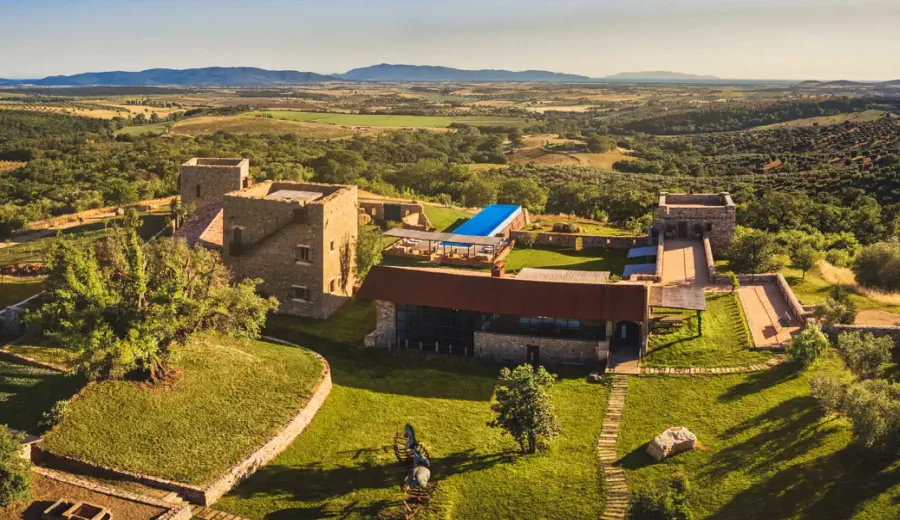
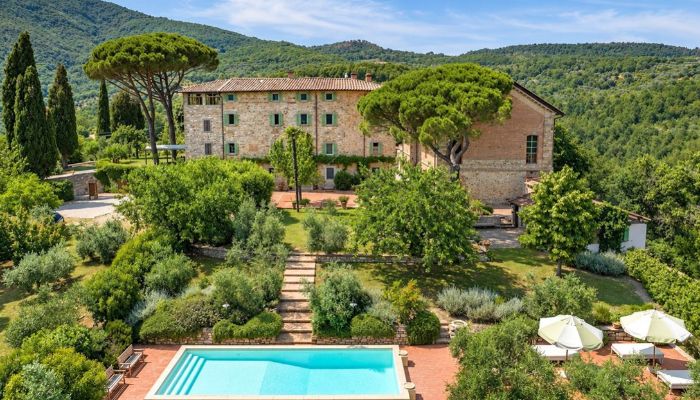
Operationally demanding: agriculture, private residence and hospitality on one estate in Tuscany
5. With Camisa Essential, you offer private dining, transfers and bespoke experiences at various locations across Italy. What specific need gave rise to this offering and who uses it today?
Camisa Essential grew out of a very practical need: guests or larger groups rent an estate for their holiday but face a considerable number of details to manage before they arrive.
Coordinating arrivals and transfers, accommodating different dietary requirements, organising a birthday dinner or arranging an outing that works for several generations at once - when each of these needs has a different point of contact, coordination quickly becomes a job in itself.
We wanted to make things easier for guests by bringing the individual elements together and ensuring they work in sequence. To do this, we work with established local partners whom we select to match the particular requirements of each stay.
The offering is used by families, groups of friends and couples marking a special occasion. Travel advisers also draw on it when arranging stays for their clients. Sometimes the request is substantial; sometimes it is simply a good dinner ready and waiting after a long journey.
For me, the quality of this work shows when the organisation stays in the background and everything happens smoothly at the right moment. Guests should be free to enjoy their stay rather than attend to logistical details.
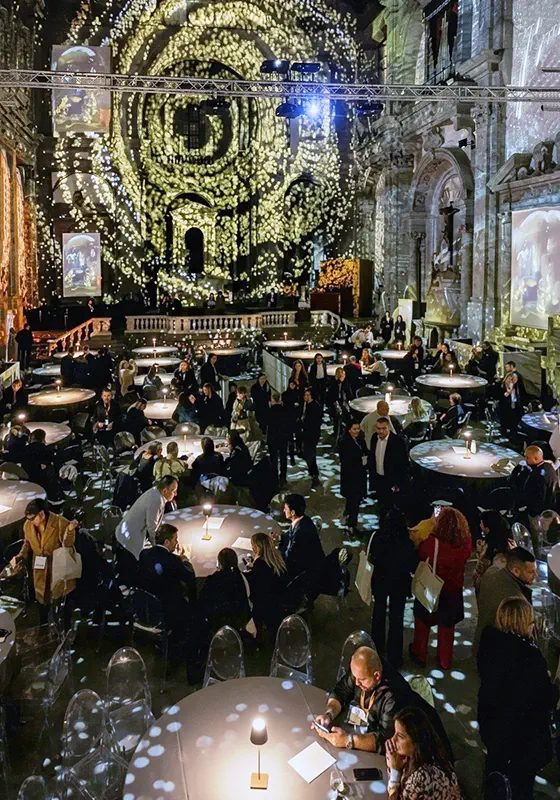
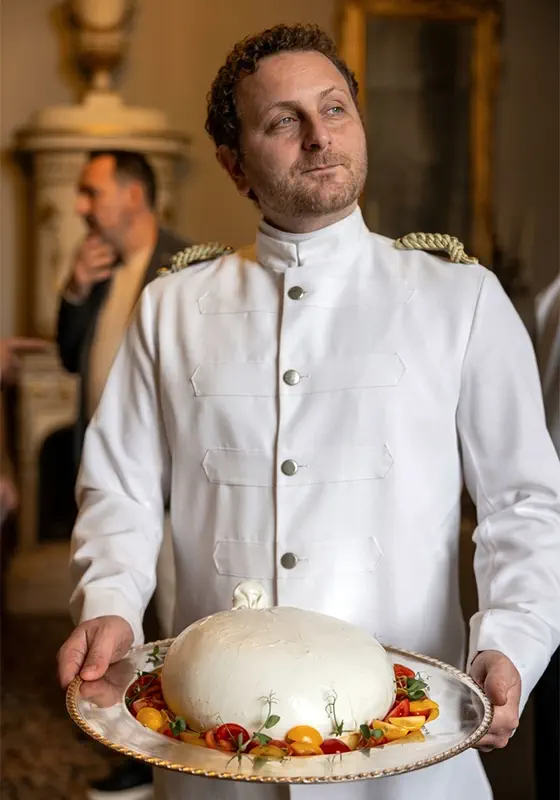
Seamless logistics: significant occasions in historic surroundings
6. What criteria determine which houses make it into your collection? Is there anything that tells you straight away which properties are likely to appeal to buyers?
I look first for a distinctive quality or a defining character. That might be the setting, the atmosphere, the condition and quality of the restoration, the style of the interiors or the scale of the property. A rare feature, or the way old and new work together, can be the deciding factor. A spa carved into an old grotto would be one example.
I then consider how well the house functions day to day. For properties used commercially, I will sometimes stay for a few days myself to form a more complete picture.
The layout and arrangement of rooms, bedrooms and bathrooms, privacy, natural light, the orientation of the main living areas and the path of the sun all matter. So do outdoor shade and the size and layout of shared spaces. Then there are the less photogenic details: access with luggage, internet connectivity - still not a given in some rural parts of Italy - maintenance requirements and the availability of reliable local support.
Complete documentation and a realistic understanding of restoration or operating costs are part of any proper assessment.
The owner's attitude and expectations also count. A good working relationship requires transparency and a genuine willingness to maintain the agreed standard over time.
A house can suggest a particular type of buyer immediately. I would still test that first impression against comparable properties, the asking price and practical constraints. Detailed presentations with high-resolution photographs generate initial interest. Serious buyers tend to look at images repeatedly and in detail, zoom in on particular areas, check the location on a map where it is publicly visible and look for street-level views. They are trying to work out whether the property matches their expectations or whether there are aspects that argue against it before requesting further information.
Whether a property genuinely meets expectations ultimately becomes clear only on site.
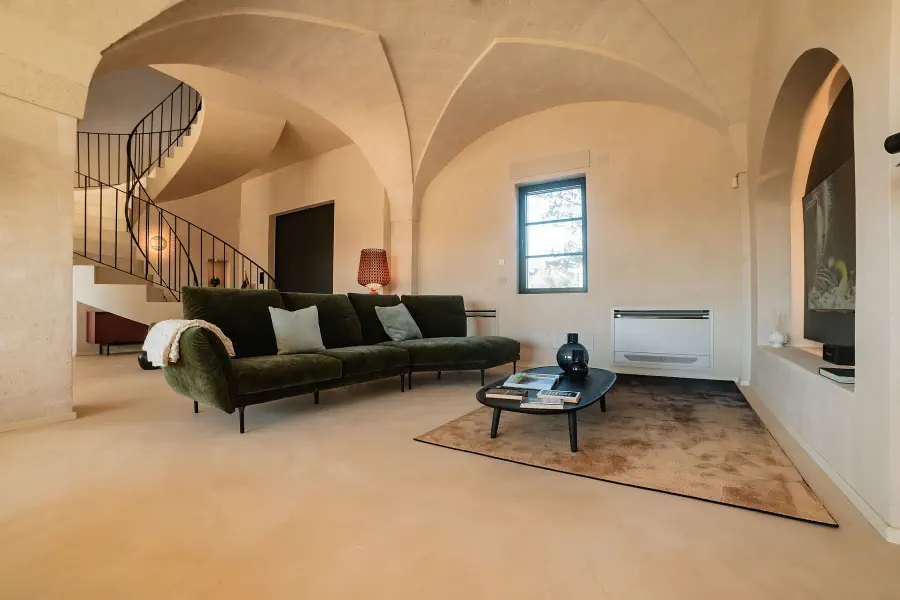
Villa Alta Croce, Puglia
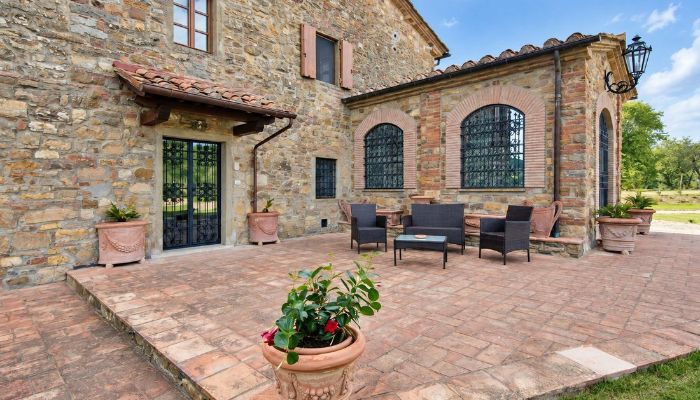
Contemporary design beneath historic vaulting
7. Beyond Tuscany, your portfolio includes regions such as Puglia and Sardinia. How is growing awareness of climate and resource use changing the way properties in the south are assessed and renovated?
It brings very practical questions into the assessment of a house. Do the bedrooms stay comfortably cool during a hot spell? Where is there shade in the afternoon? How much water does the garden need and how reliable is the supply?
In Puglia and Sardinia, these questions belong at the start of any substantial project. Traditional features such as shutters, sheltered courtyards and thick walls can contribute meaningfully to comfort when their function is properly understood and integrated into the design.
Air conditioning is an expected standard in many properties in the south. As it also entails ongoing running costs, complementary measures can help limit energy demand. Depending on the building, suitable insulation, ventilation or targeted external shading may be appropriate. Drainage, orientation and fire risk also need to be assessed individually for each site.
Where a property is listed, planning becomes more demanding and requires patience. Technical solutions must be properly specified, compatible with the existing fabric and fully compliant with any applicable conservation requirements.
For me, a responsible approach to resources is part of what quality means. In this price range, a property should remain comfortable under the conditions its owners will actually encounter and be manageable to run over the long term.
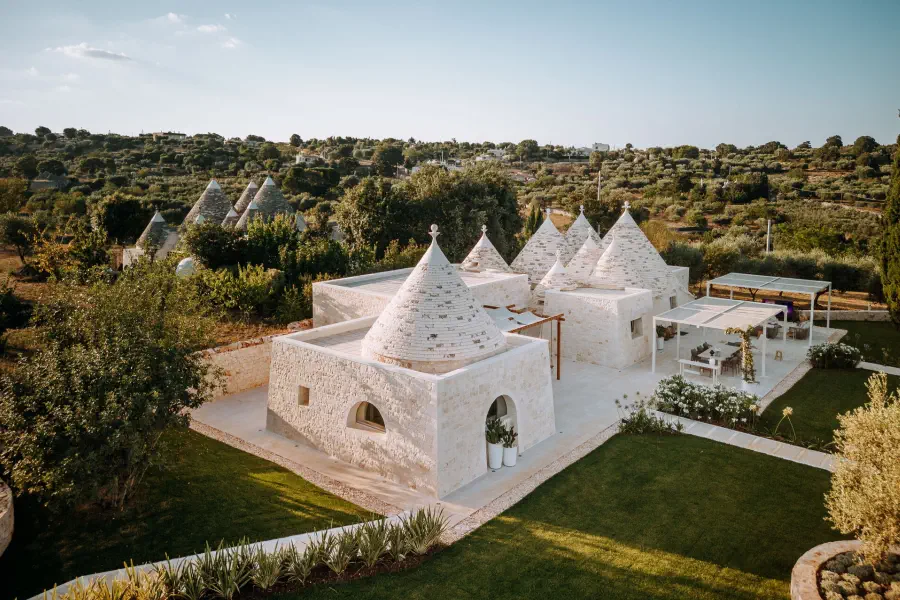
Villa Cisterna, Puglia
Traditional architecture as a response to heat
8. Architecture, interiors, music and food are all part of your daily life. If you could bring together the right people, the right sound and genuine hospitality, where would it take place and what would it look like?
I would choose a masseria in Puglia in early autumn. Many of these Apulian farmsteads are now places of hospitality where living well, good food and private celebrations come together. I picture a table with enough people for unexpected conversations - a group where, by the end of the evening, everyone has spoken to everyone else.
We would arrive while it was still light, with time to walk through the house and garden. The table would be set with linen, ceramics and flowers that belonged to the setting. The food would be typical of Puglia: orecchiette with cime di rapa, fresh vegetables, burrata, good olive oil and a local wine. All made with excellent ingredients and served by a cook with a recognisable style.
As a musician, I am particular about sound. I imagine a live voice early in the evening, accompanied by a robust guitar sound. As the night progresses, something more electronic would be welcome, with space in between for conversation and the sounds of the night around you.
Alongside friends, I would invite artists, designers and people from the local community. Ideally, someone would stay at the table far longer than planned or meet an artist whose work would stay with them for years.
That is the kind of hospitality that matters to me: an evening that leaves people with something personal to take home.
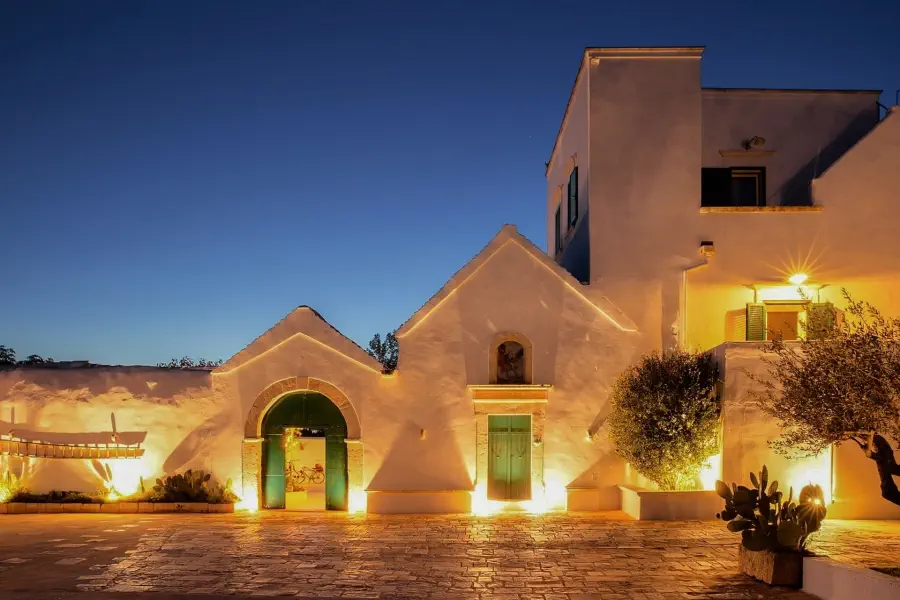
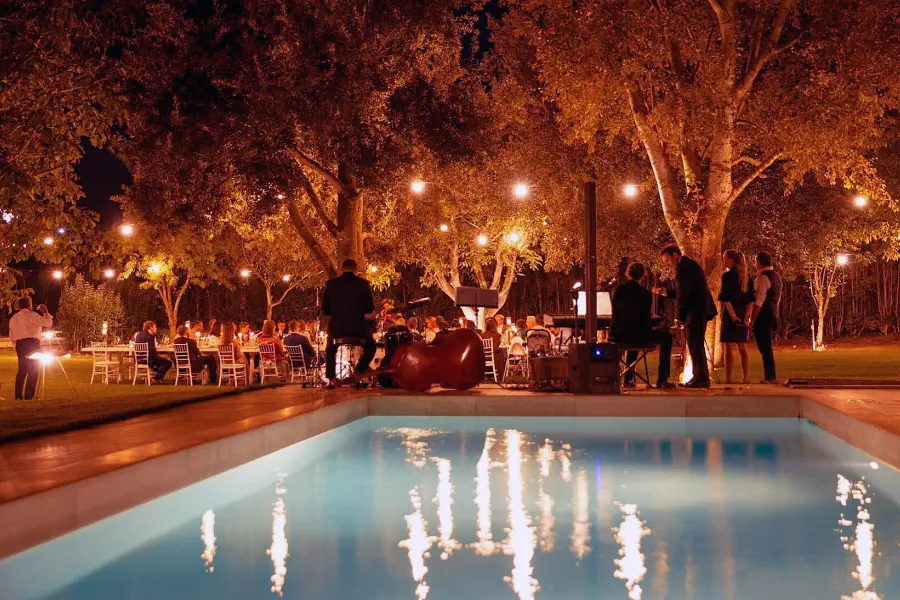
Masseria Del Saliceto
Part of the Apulian heritage: masserie as a setting for long tables, music and genuine hospitality
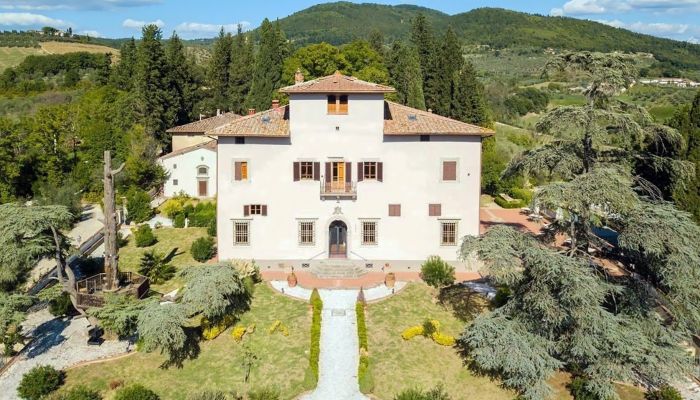
 Firenze, Tuscany