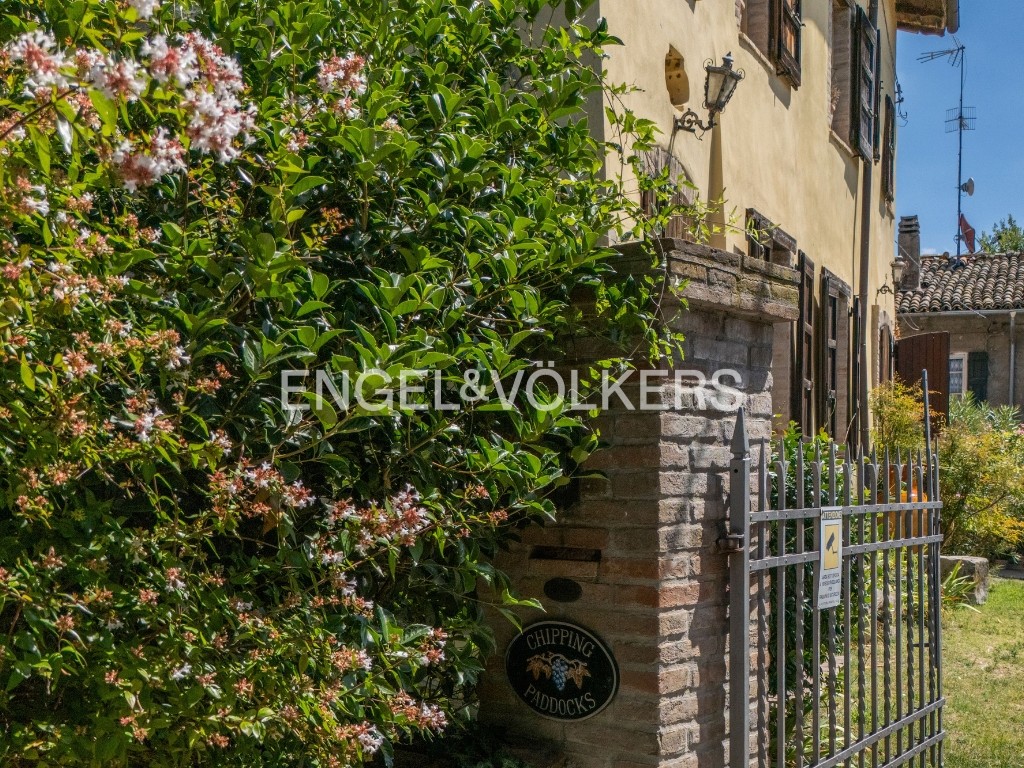
The property is situated in the hills of the Matilda Lands, an area with a long history of castles, parish churches, and medieval villages, and is associated with Matilda of Canossa. In the autumn of 1092, the clash between Matilda’s troops and those of Henry IV took place nearby. The Benedictine monk Donizone mentions the building in his chronicle Vita Mathildis, noting its presence during the battle.
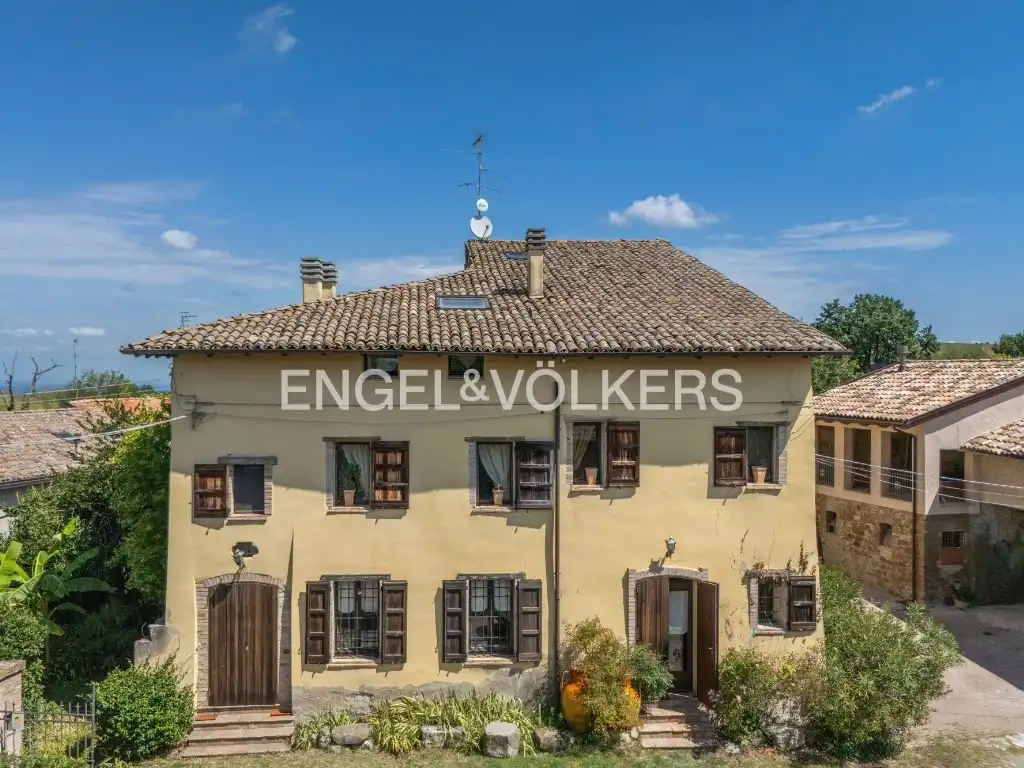
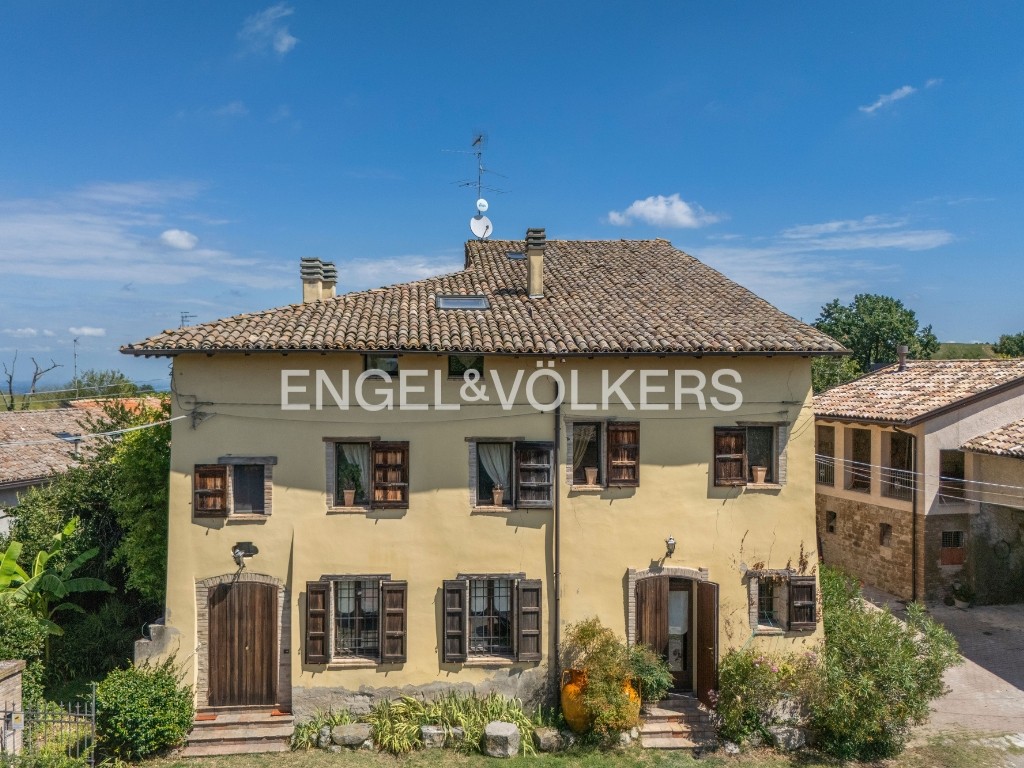
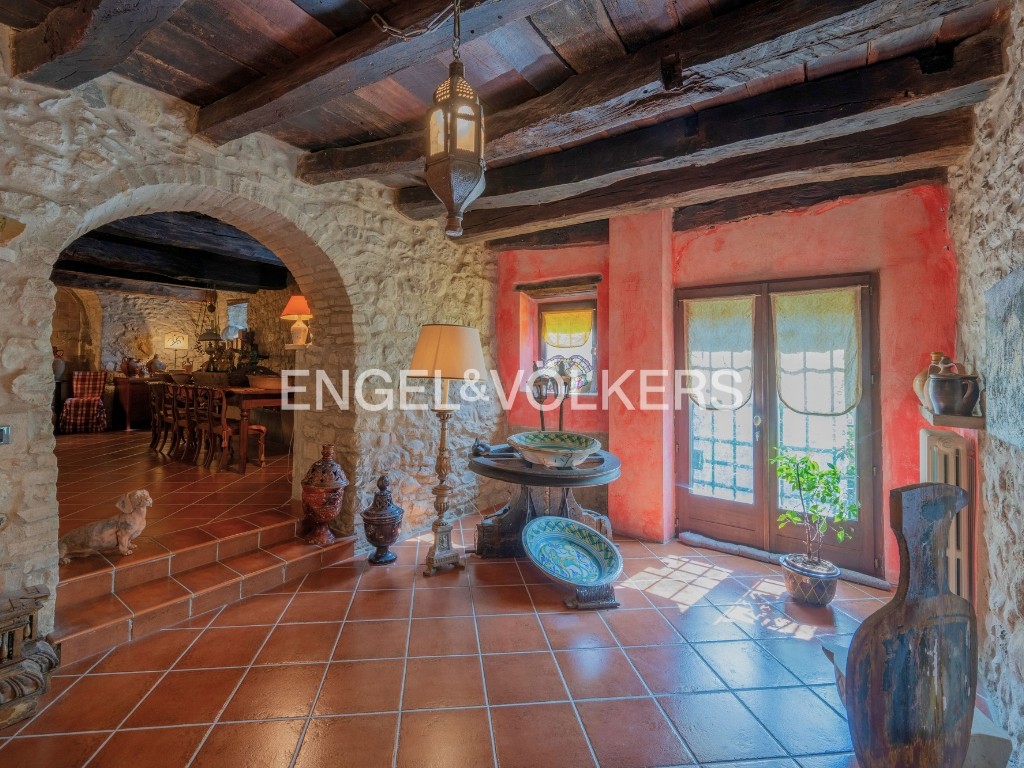
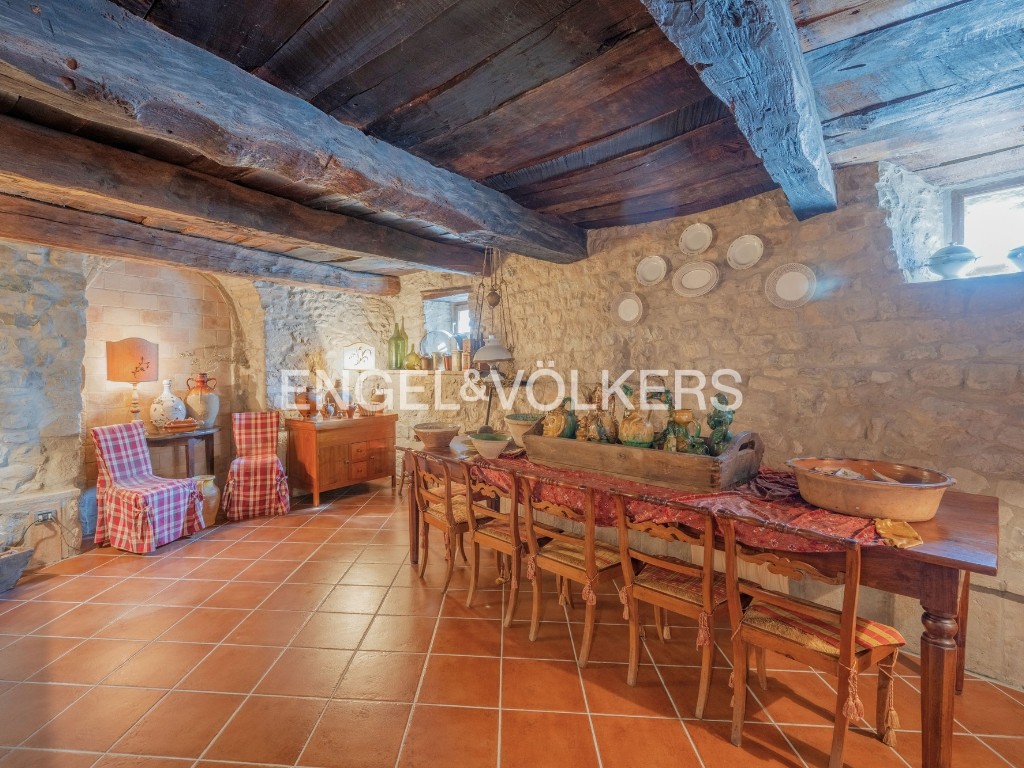
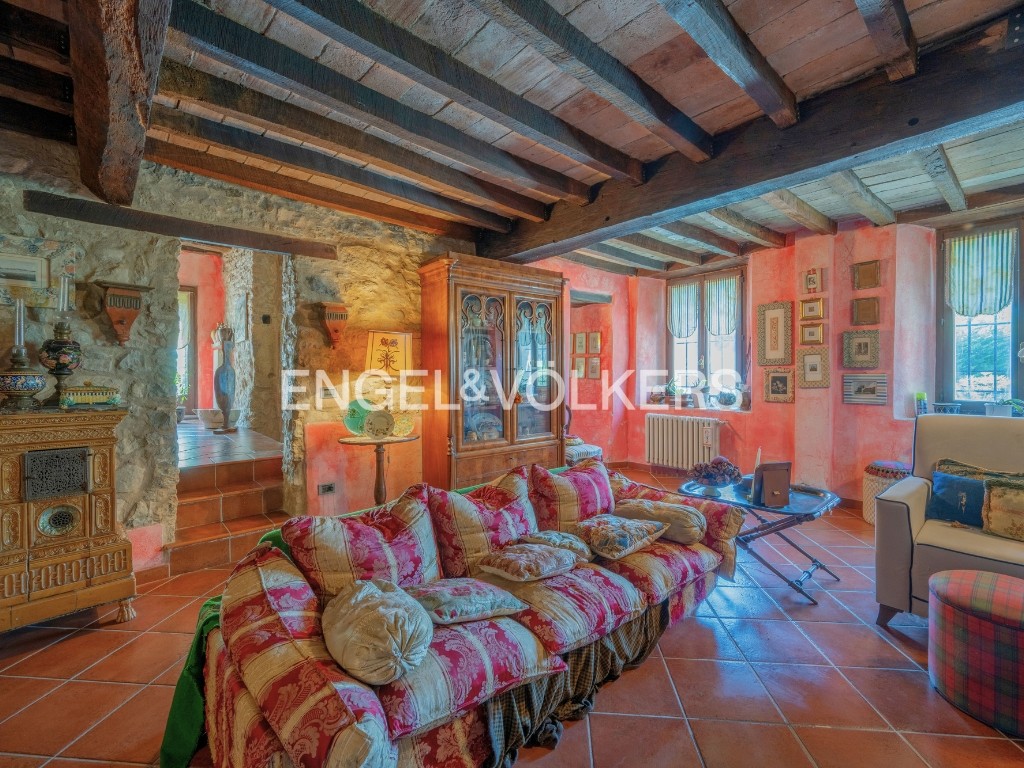
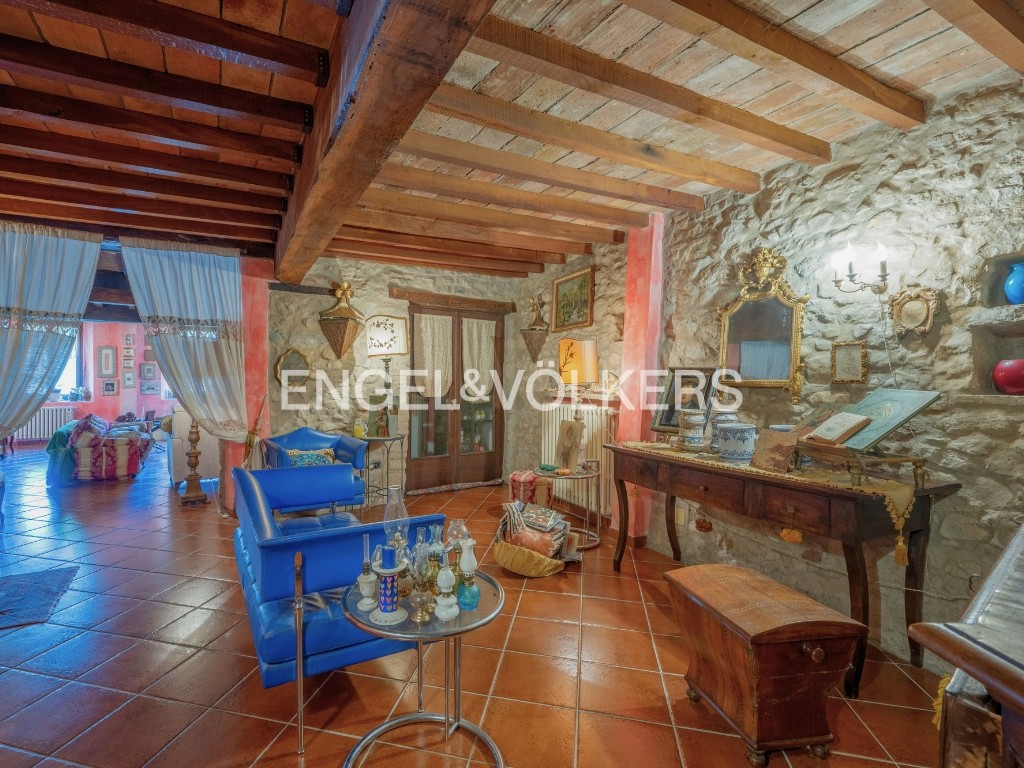
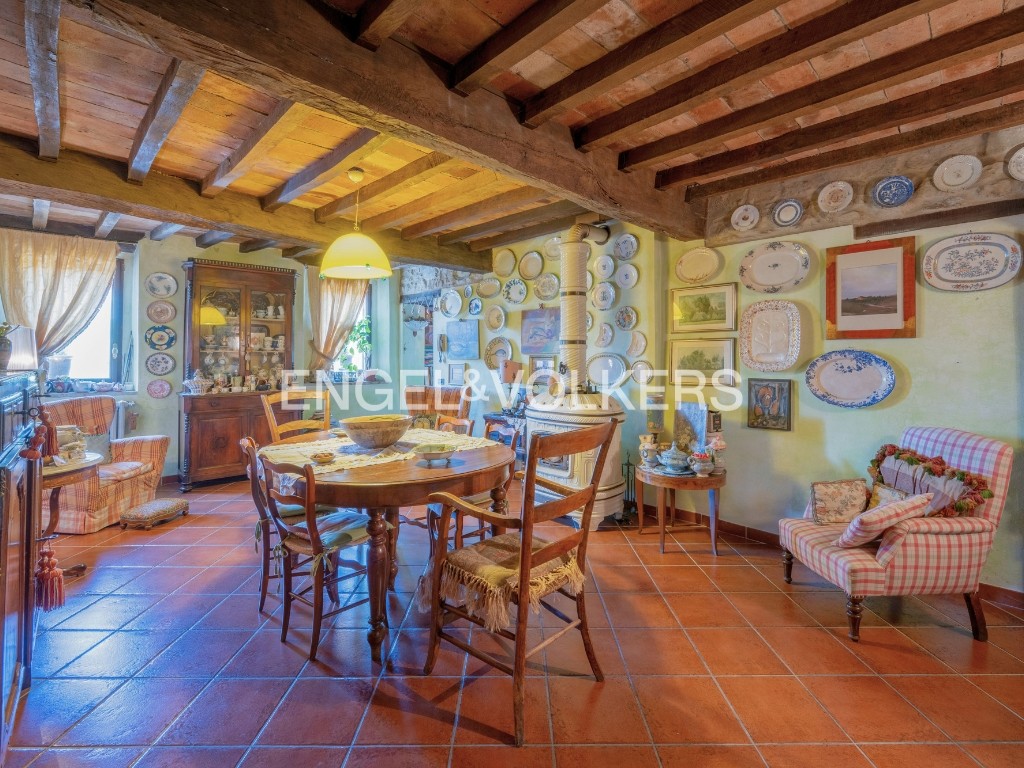
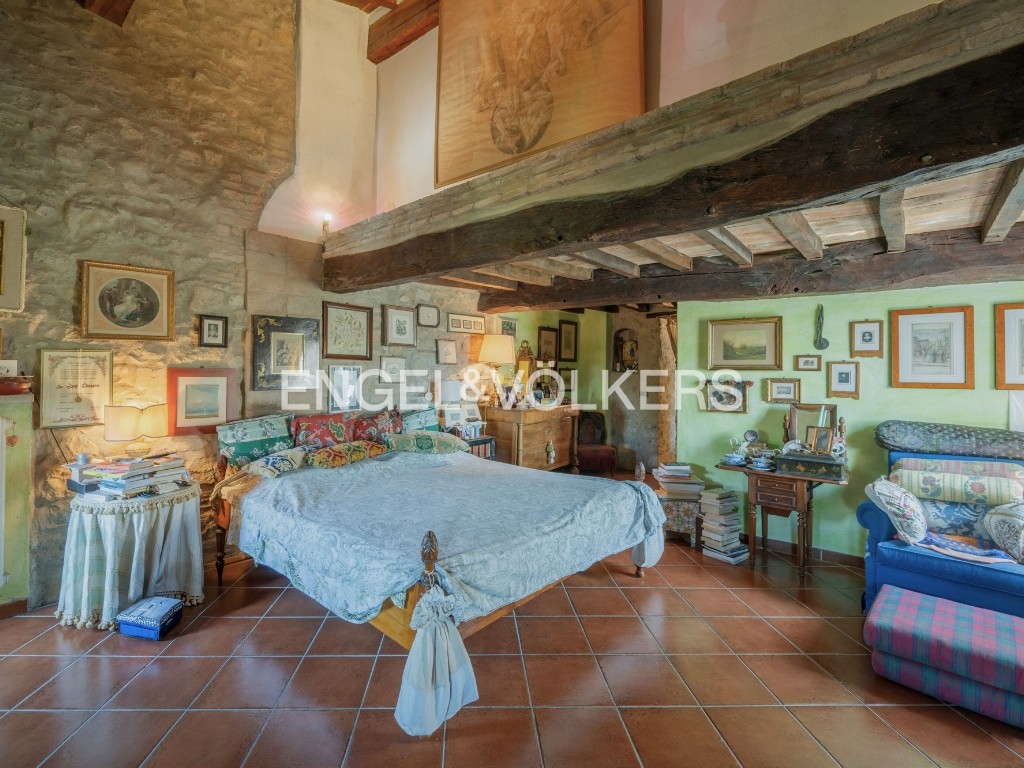
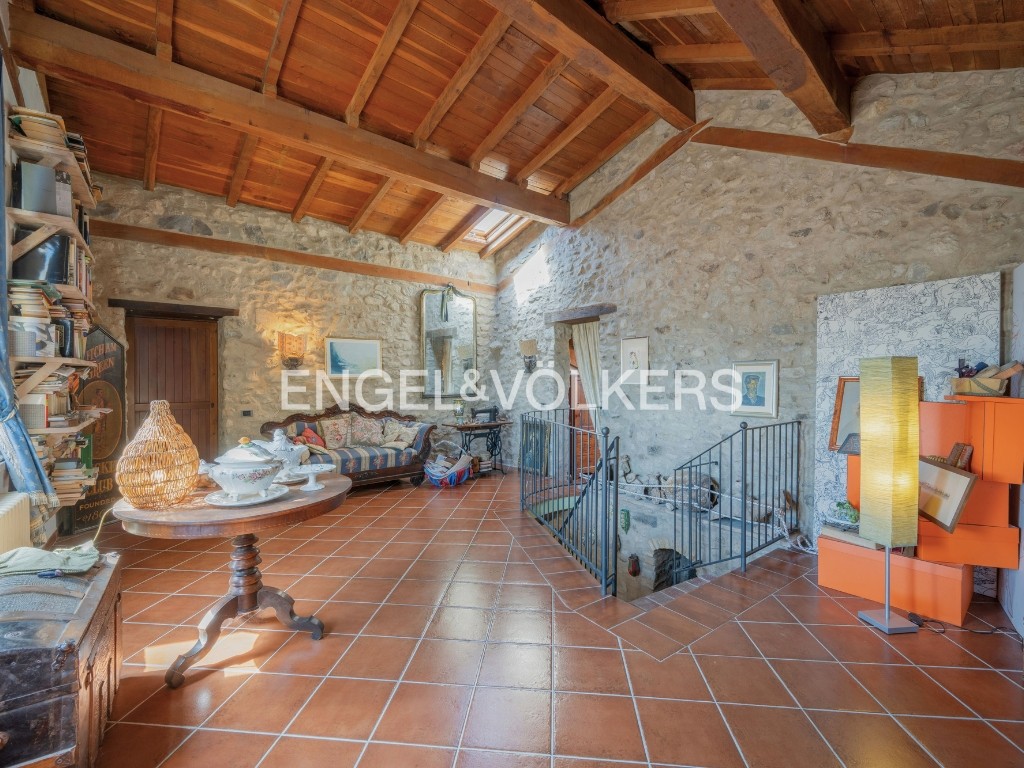
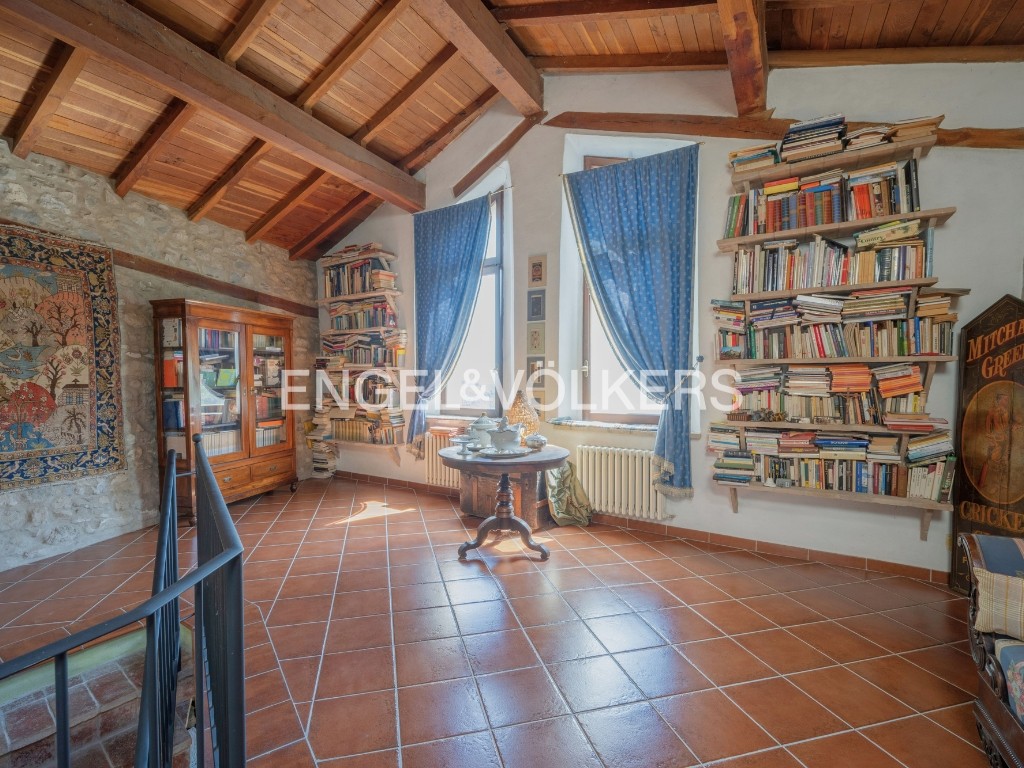
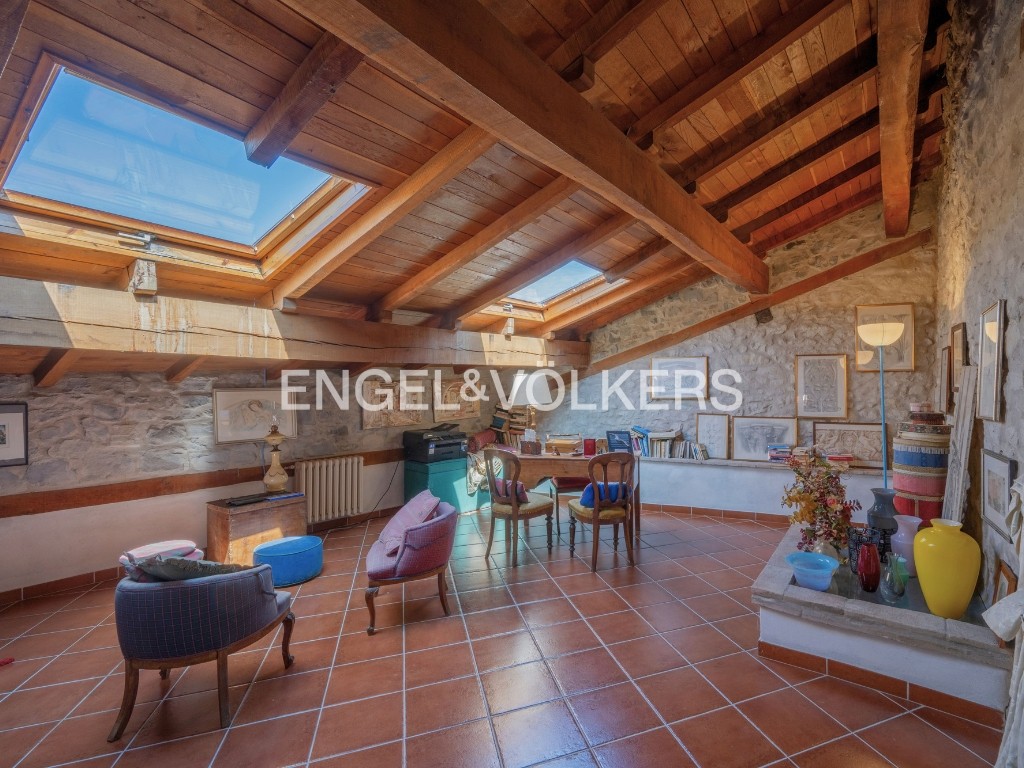
The main building has three levels: ground floor, first floor, and attic. The ceilings were originally vaulted but were replaced with flat ceilings in the 15th century. The construction dates to around the year 1000 and remains well preserved. Its layout follows the plan of the Castle of Canossa, with similar architectural features found in the castles of Bianello, Rossena, and Carpineti. The building contains stone walls and exposed wooden beams throughout.
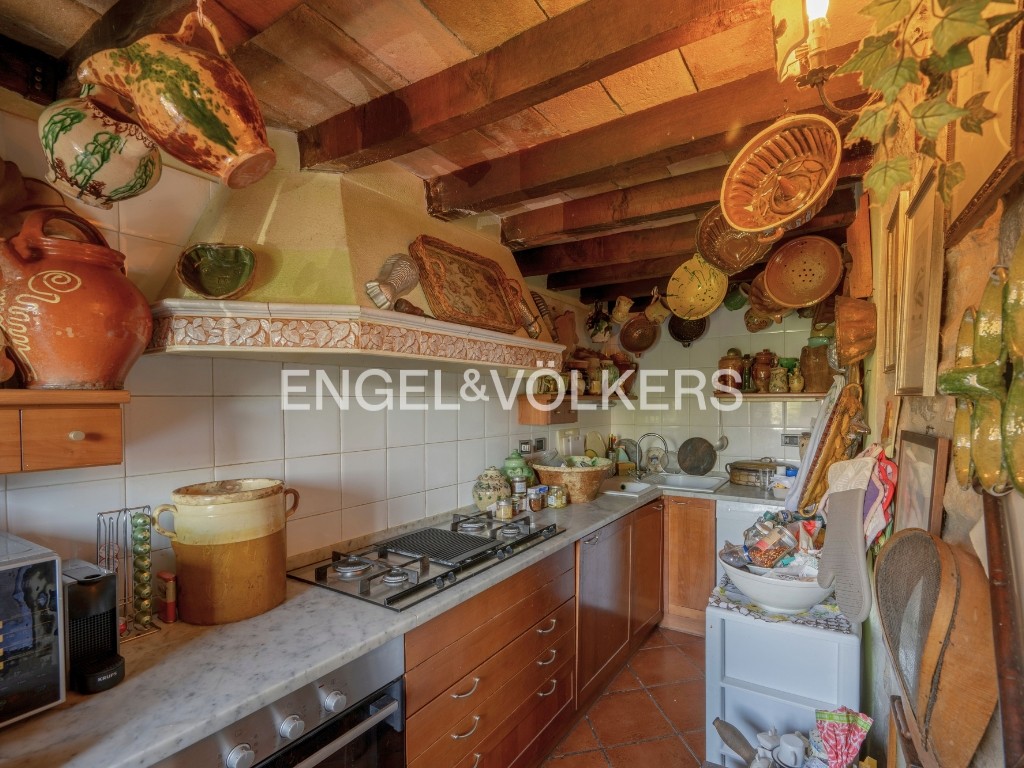
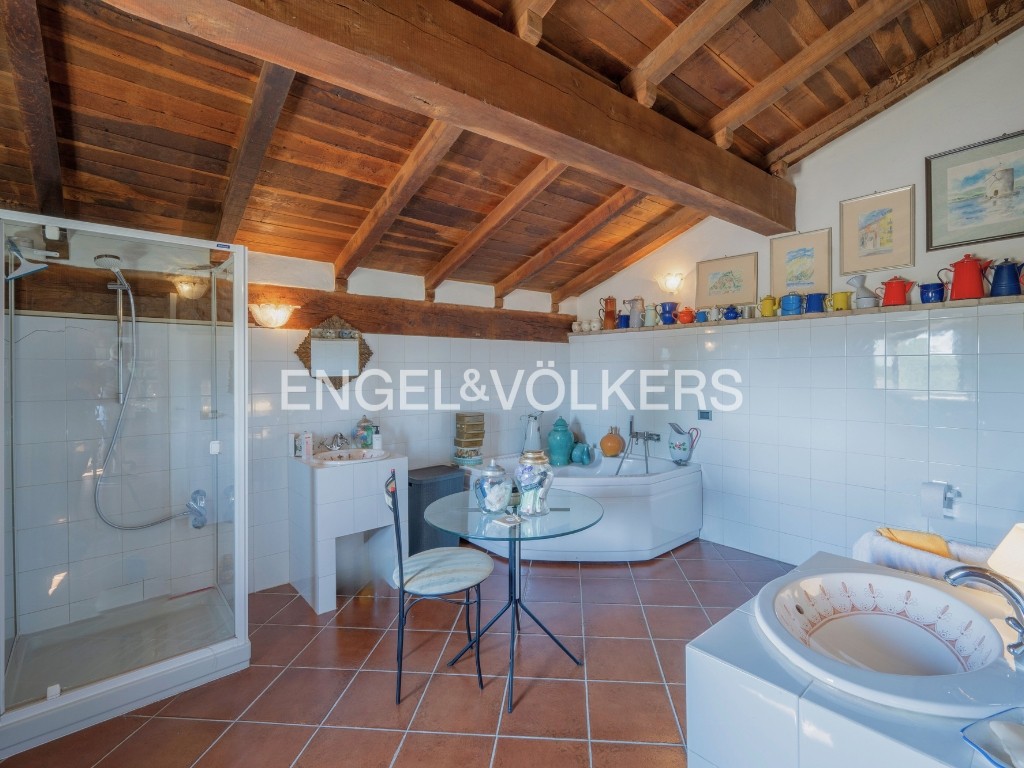
On the ground floor, large original arches separate the rooms. This floor includes the main halls and a room with a fireplace. The first floor contains the kitchen with a separate dining area, several service rooms, two bedrooms, and a bathroom. The attic level includes a bedroom, two additional rooms suitable for study or hobby use, a bathroom, and access to the tower. An outbuilding, formerly a barn and stable, requires renovation. The property also includes approximately 0.52 acres of agricultural land.
Location
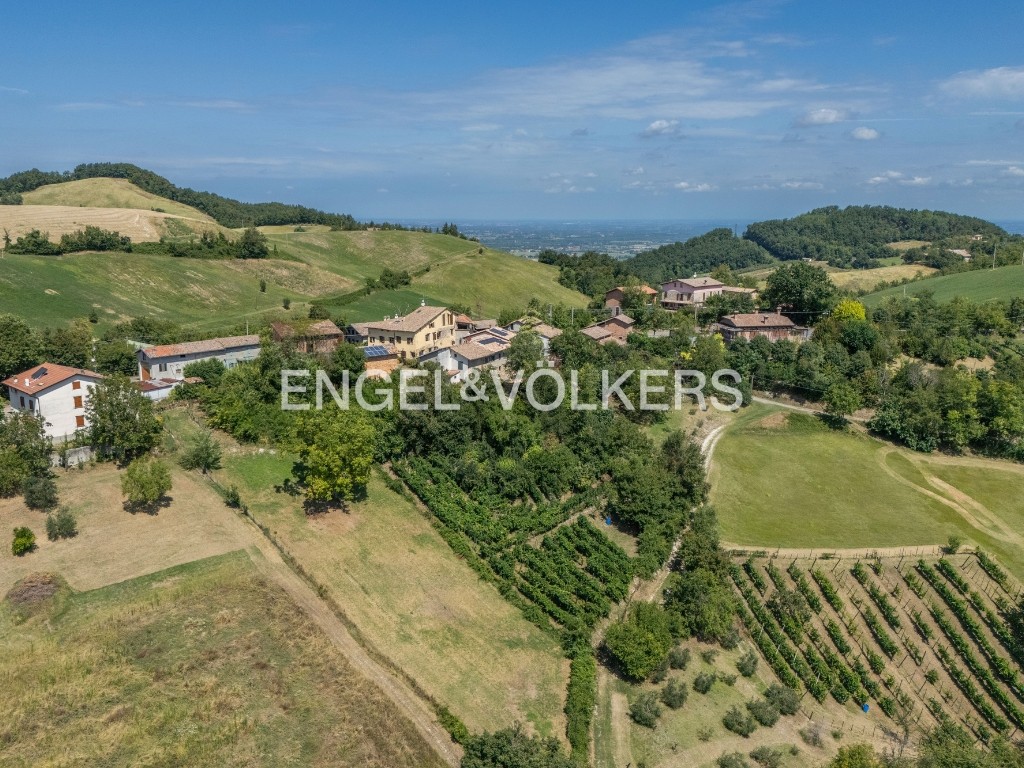
The property is in Sedignano, a hamlet of San Polo d’Enza in the province of Reggio Emilia, approximately 30 km from Parma and 60 km from Reggio Emilia. The Autostrada del Sole (Milan–Naples) is reachable within minutes, as are the nearby towns of San Polo d’Enza and Montecchio Emilia, which provide schools, shops, and other services.
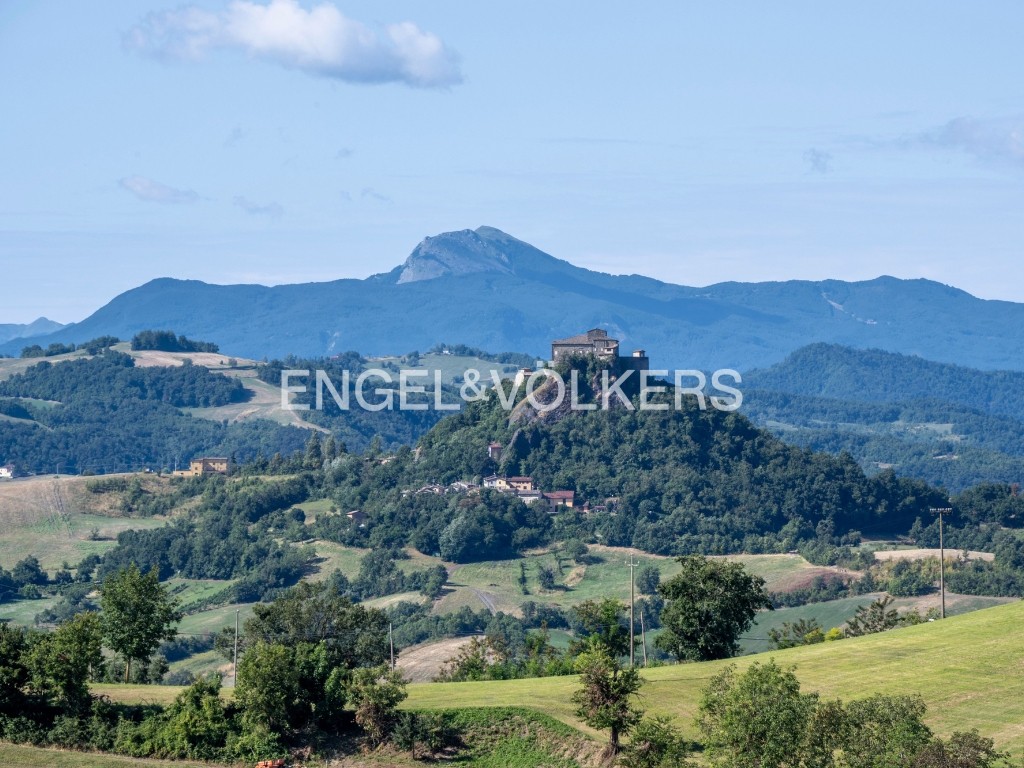
The area has a long history, from Neolithic, Etruscan, and Roman settlements to medieval fortifications. The property is positioned on a rocky outcrop above an active water vein, with several wells on site. Views extend south to the castles of Canossa and Rossena, and north to Bianello and Montelucio, with the Bismantova stone visible in the distance.