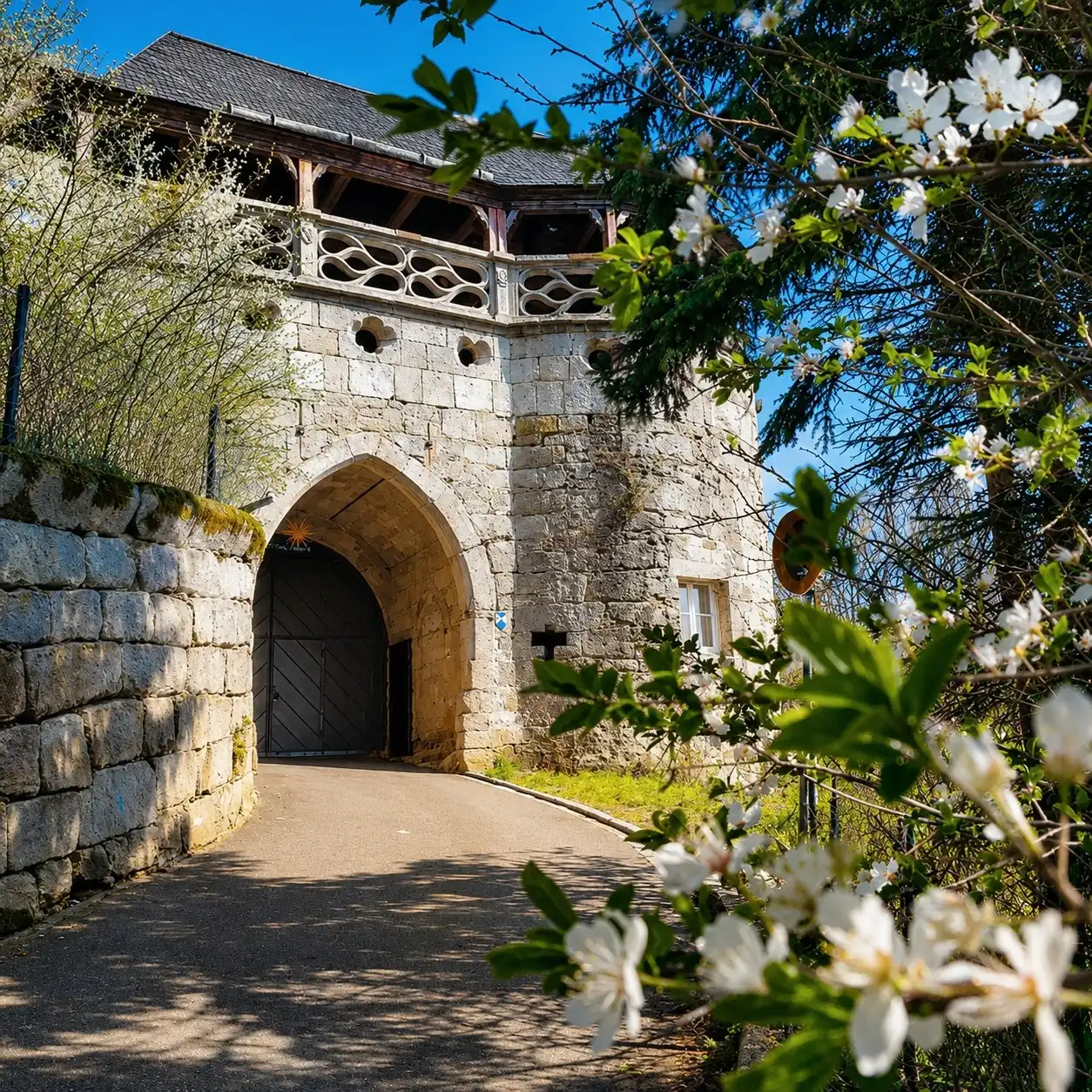
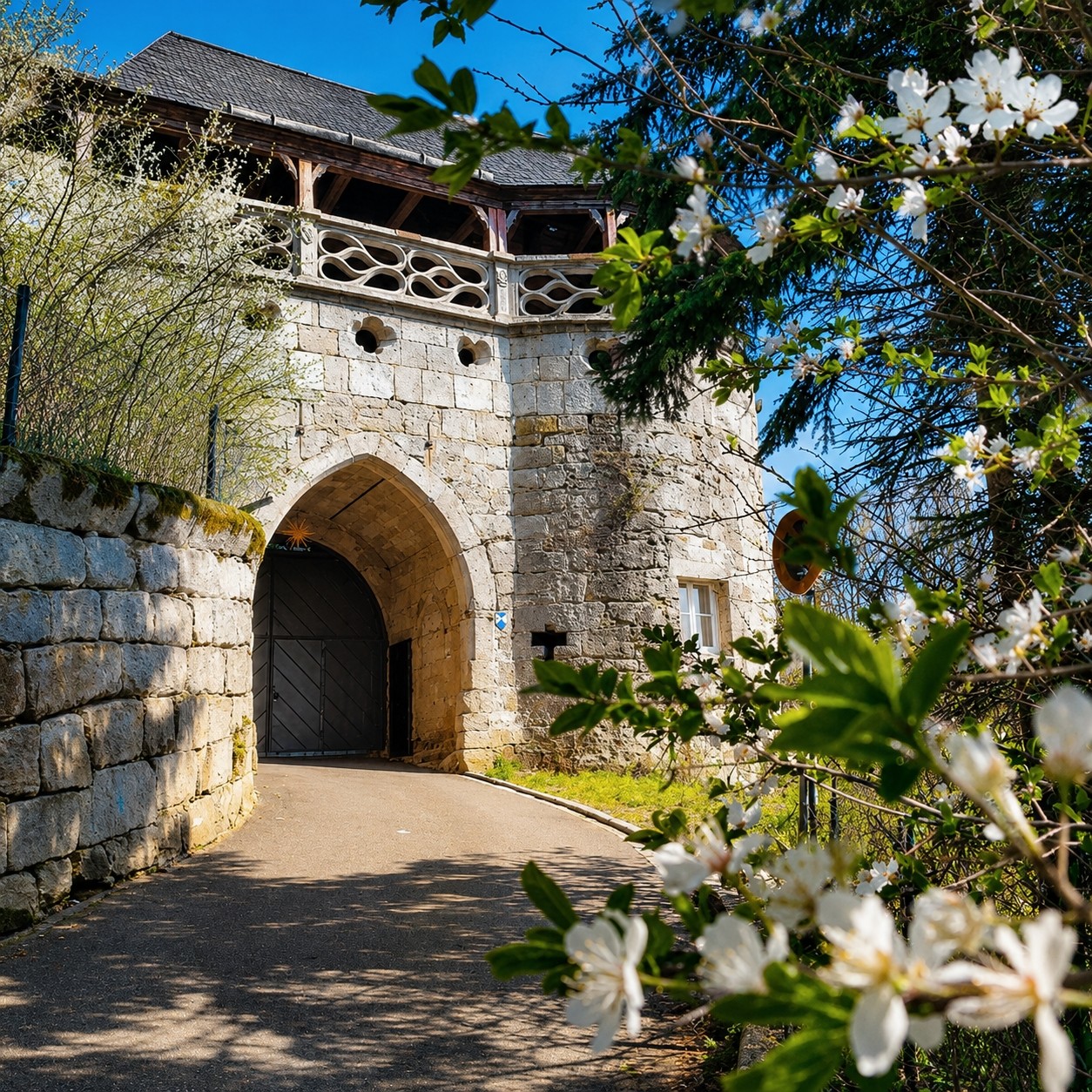
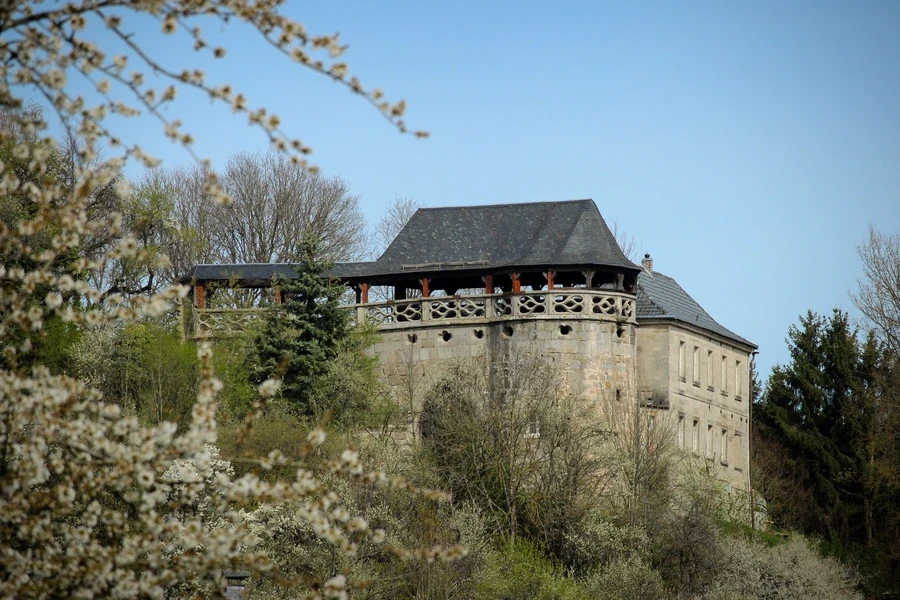
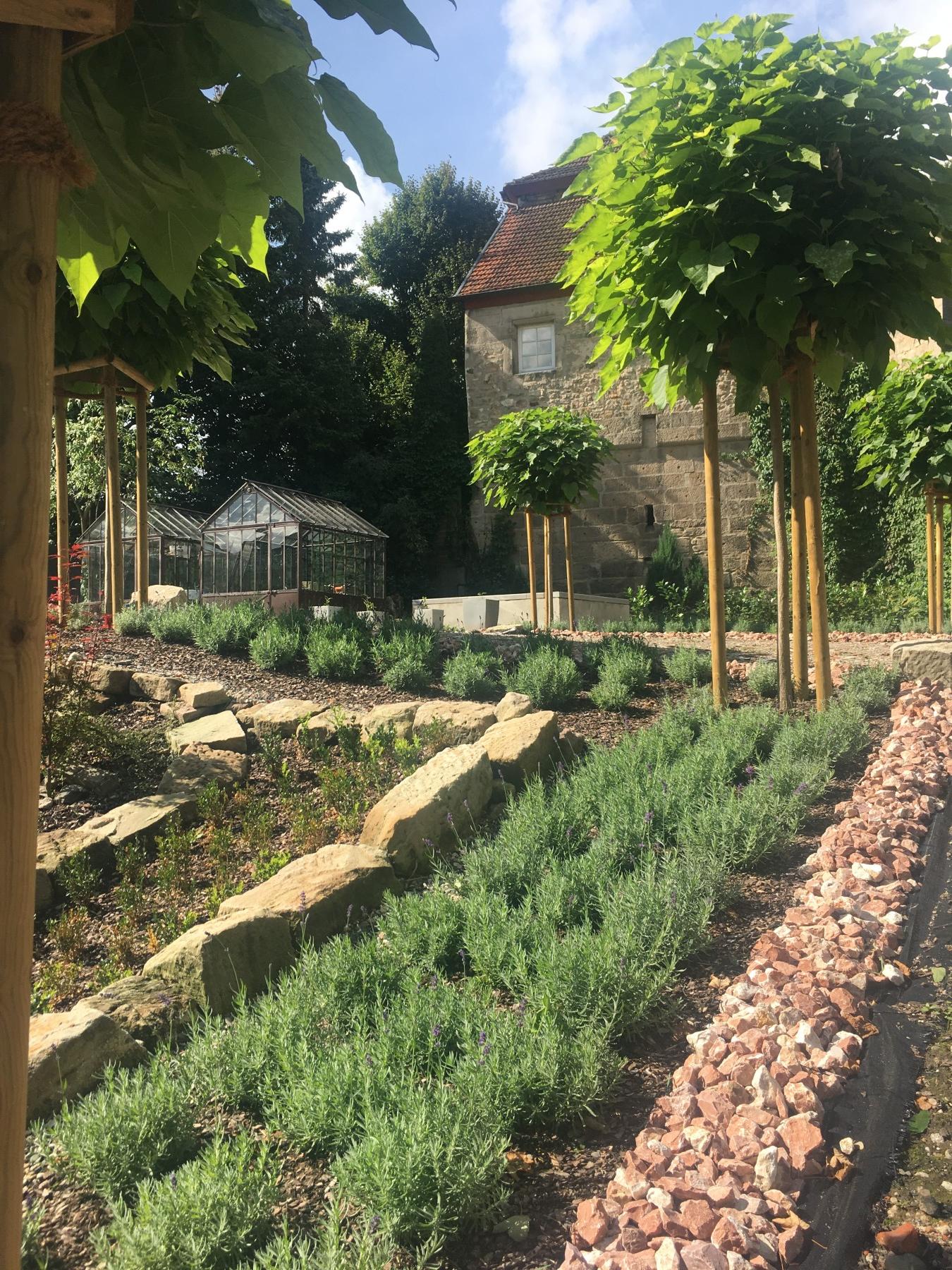
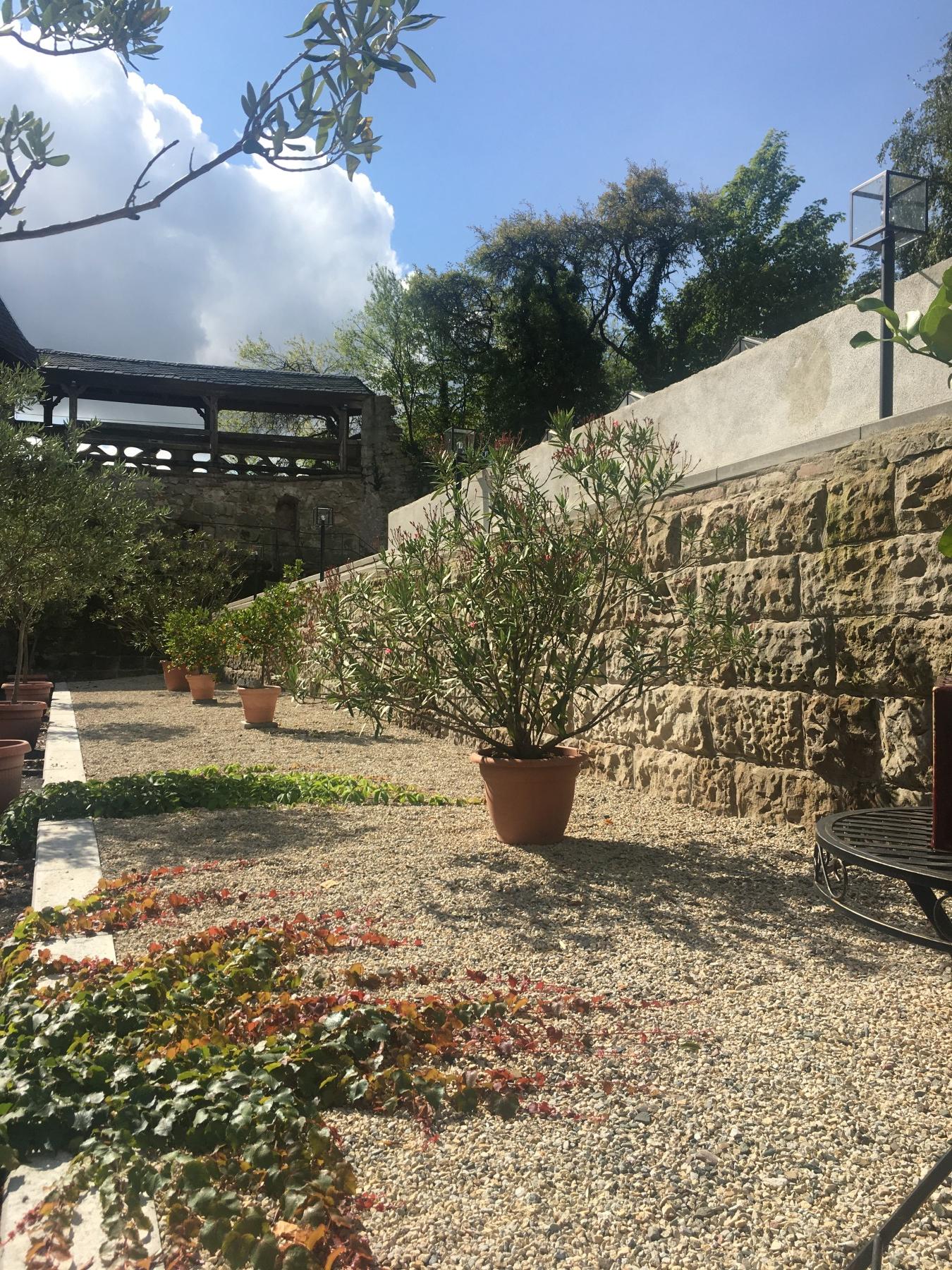
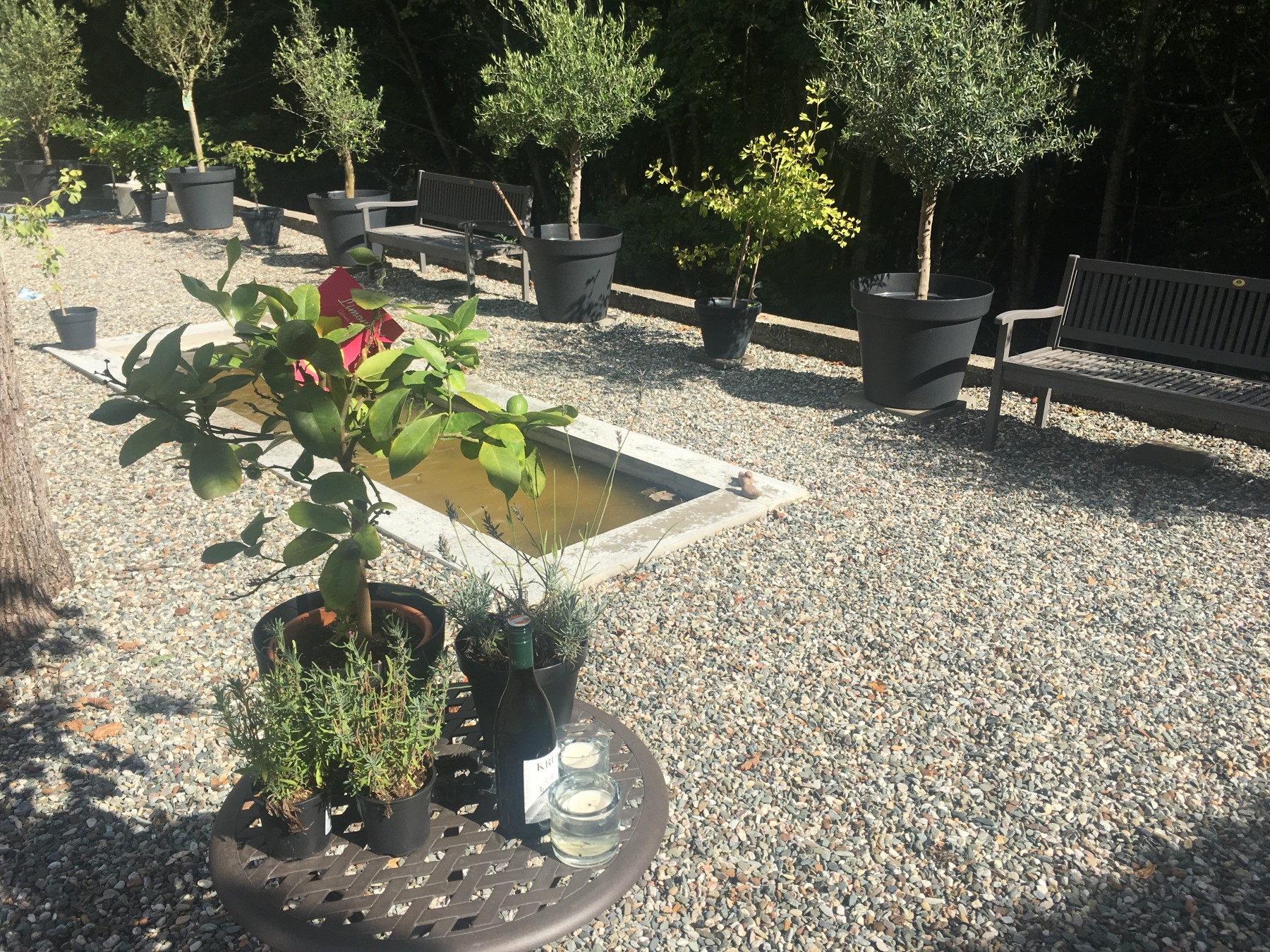
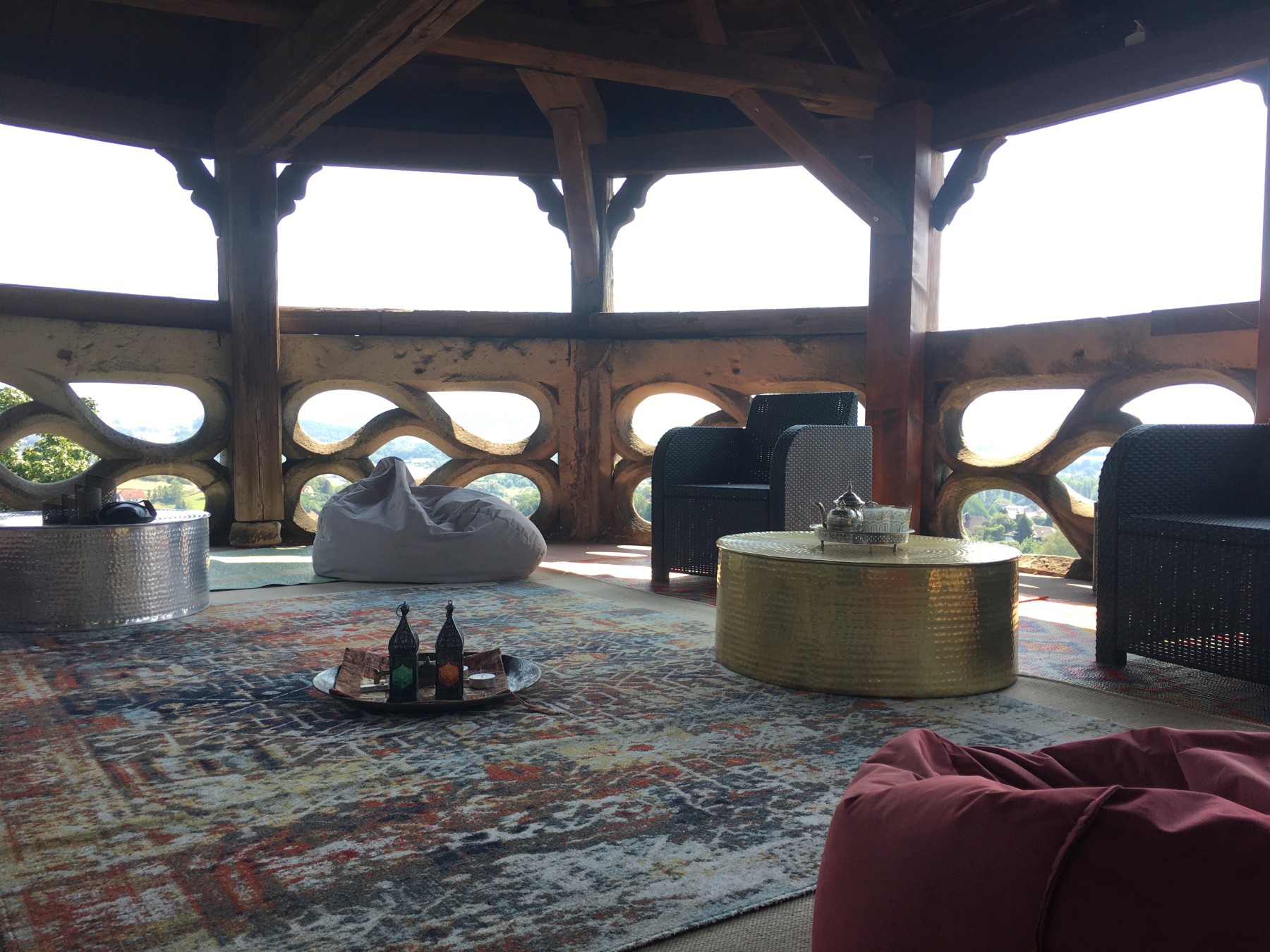
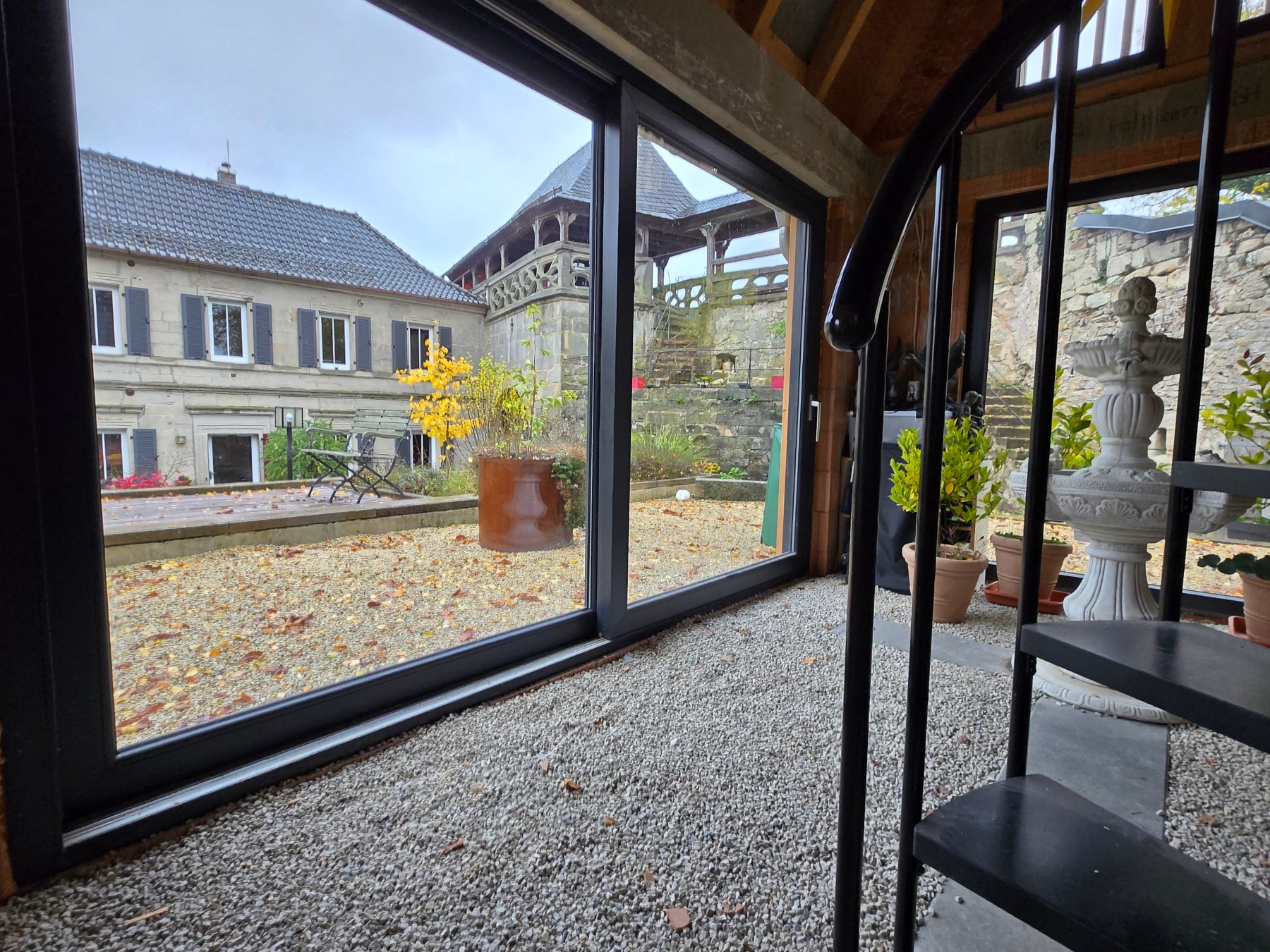
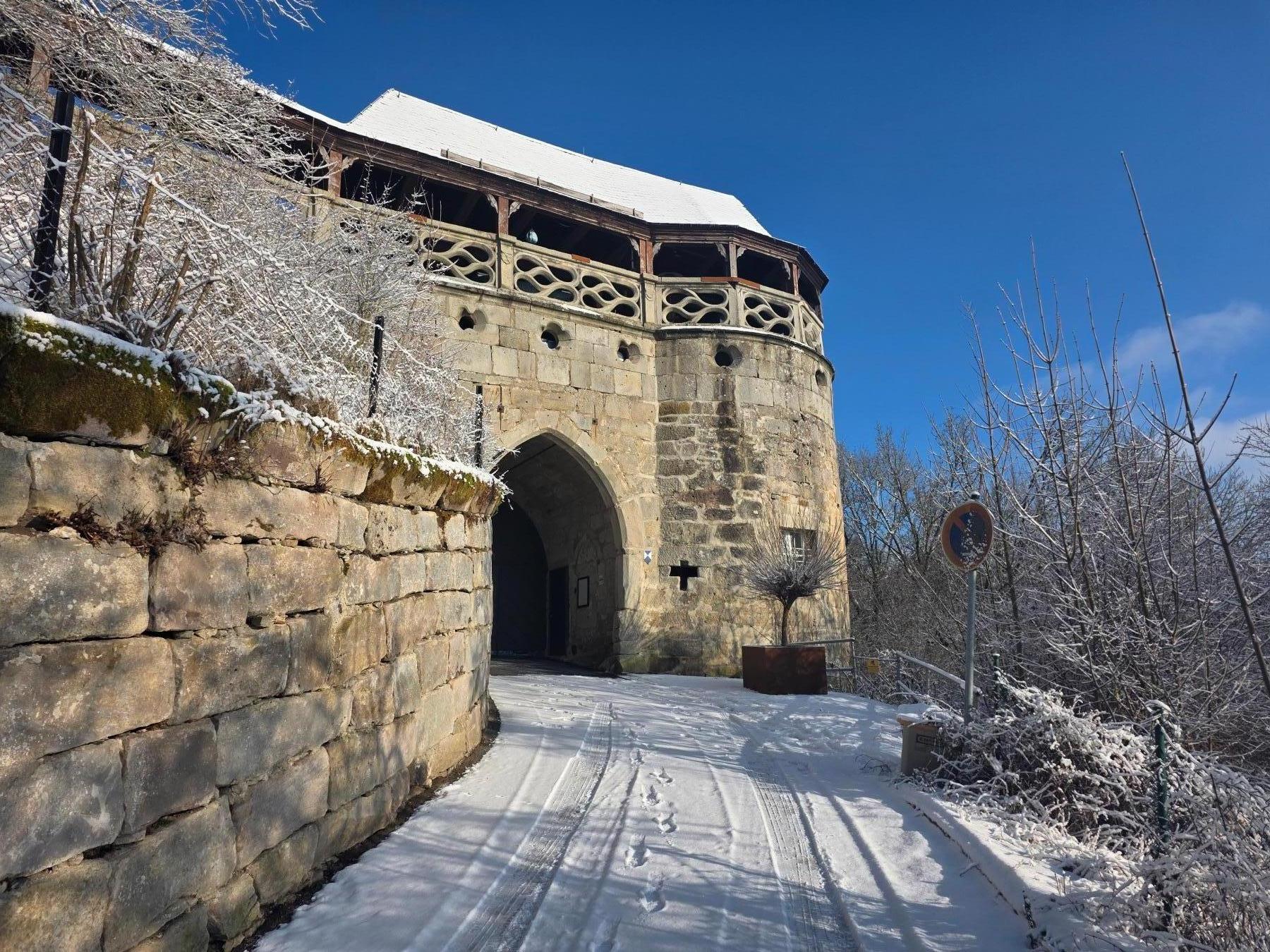
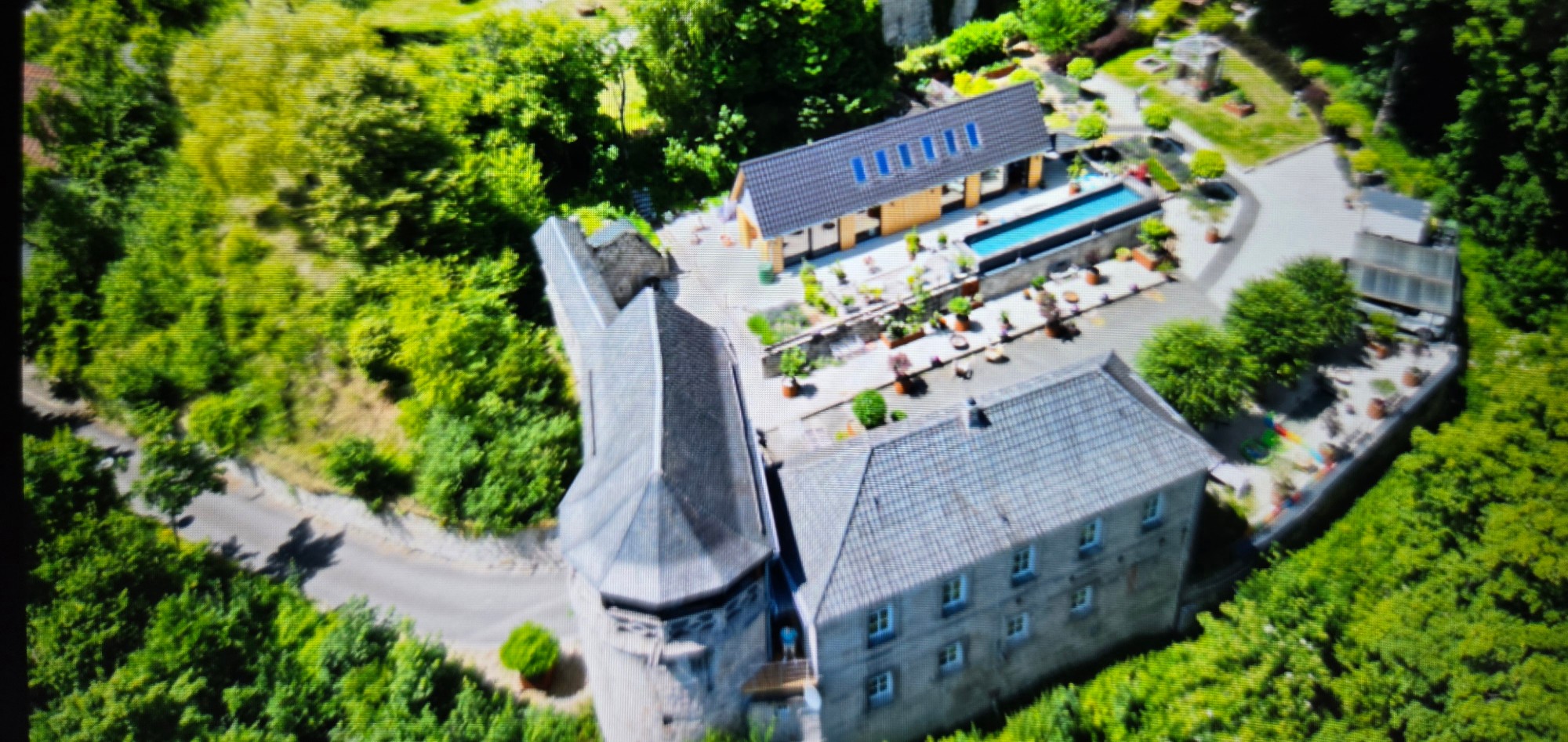
Architecturally, a medieval castle was defined by three core characteristics: defensive invulnerability, self-sufficient provisioning during a siege, and generously proportioned residential quarters. The property is situated in Upper Franconia, centrally positioned between Coburg, Bayreuth, and Bamberg, in close proximity to several UNESCO World Heritage sites. Its hilltop location and surrounding curtain wall ensure a protected and private setting. The original defensive and self-sustaining purpose of the structure has been preserved and adapted for contemporary use through the addition of a heated swimming pool, an orangery, and agricultural land.
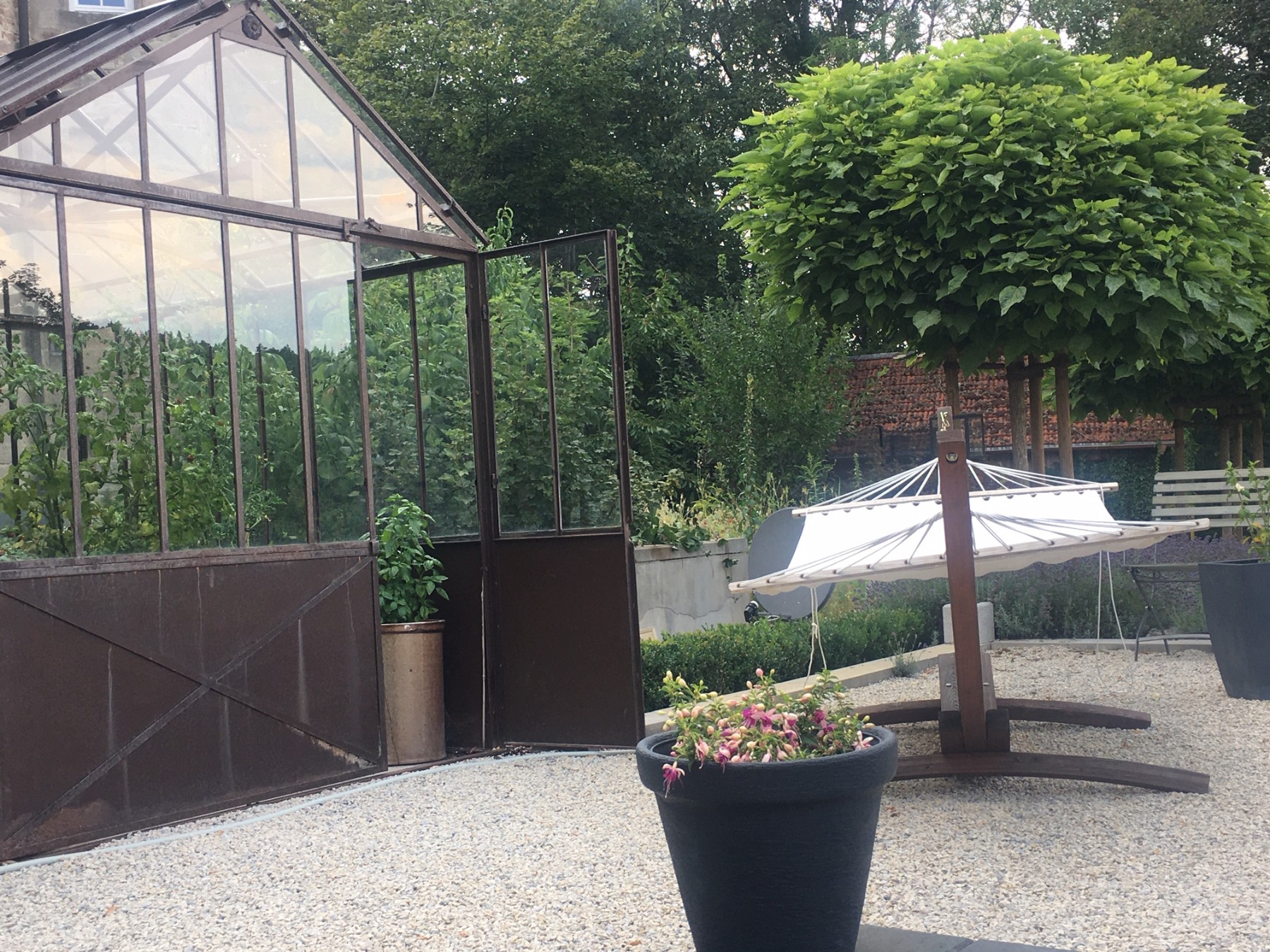
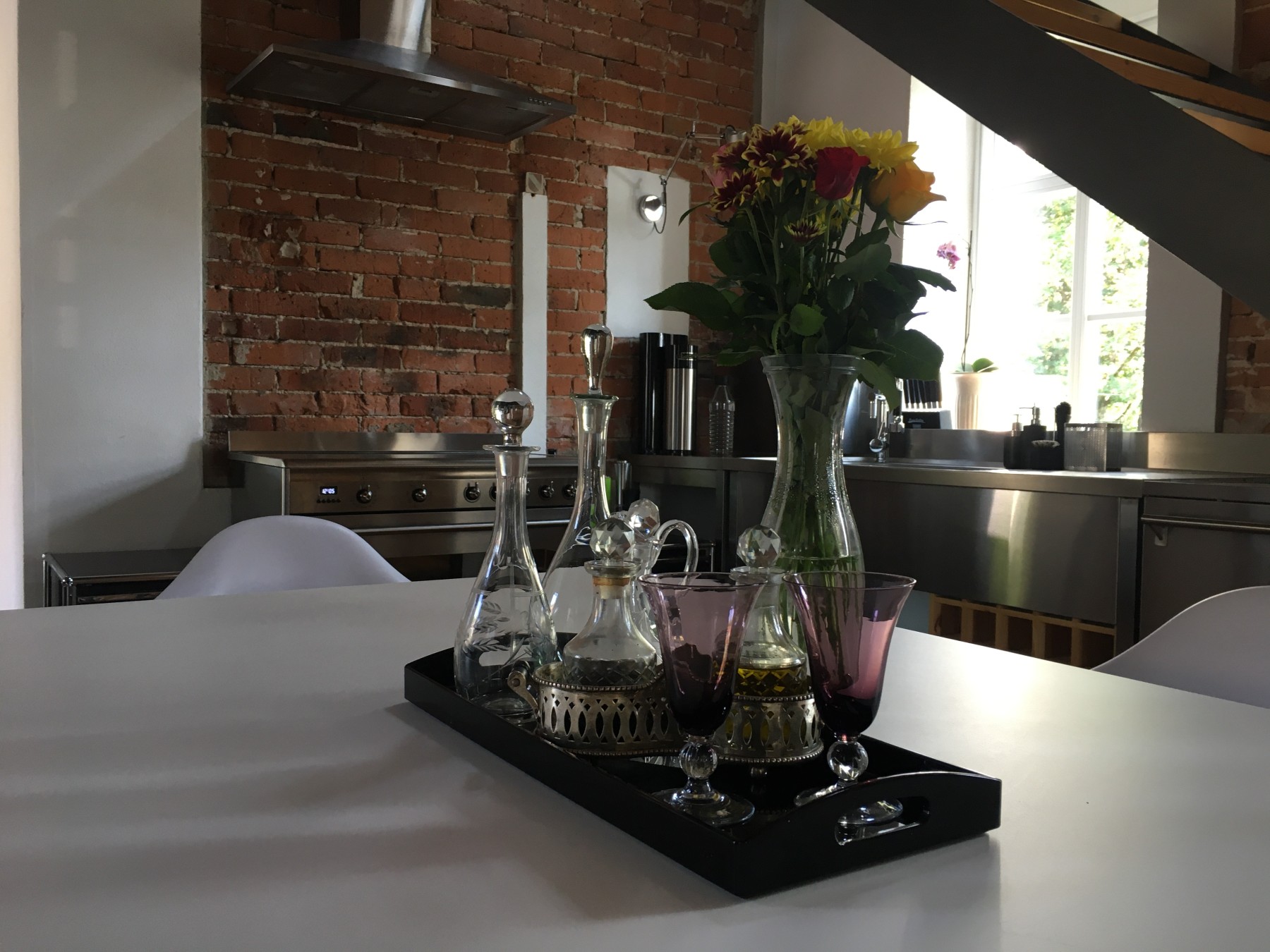
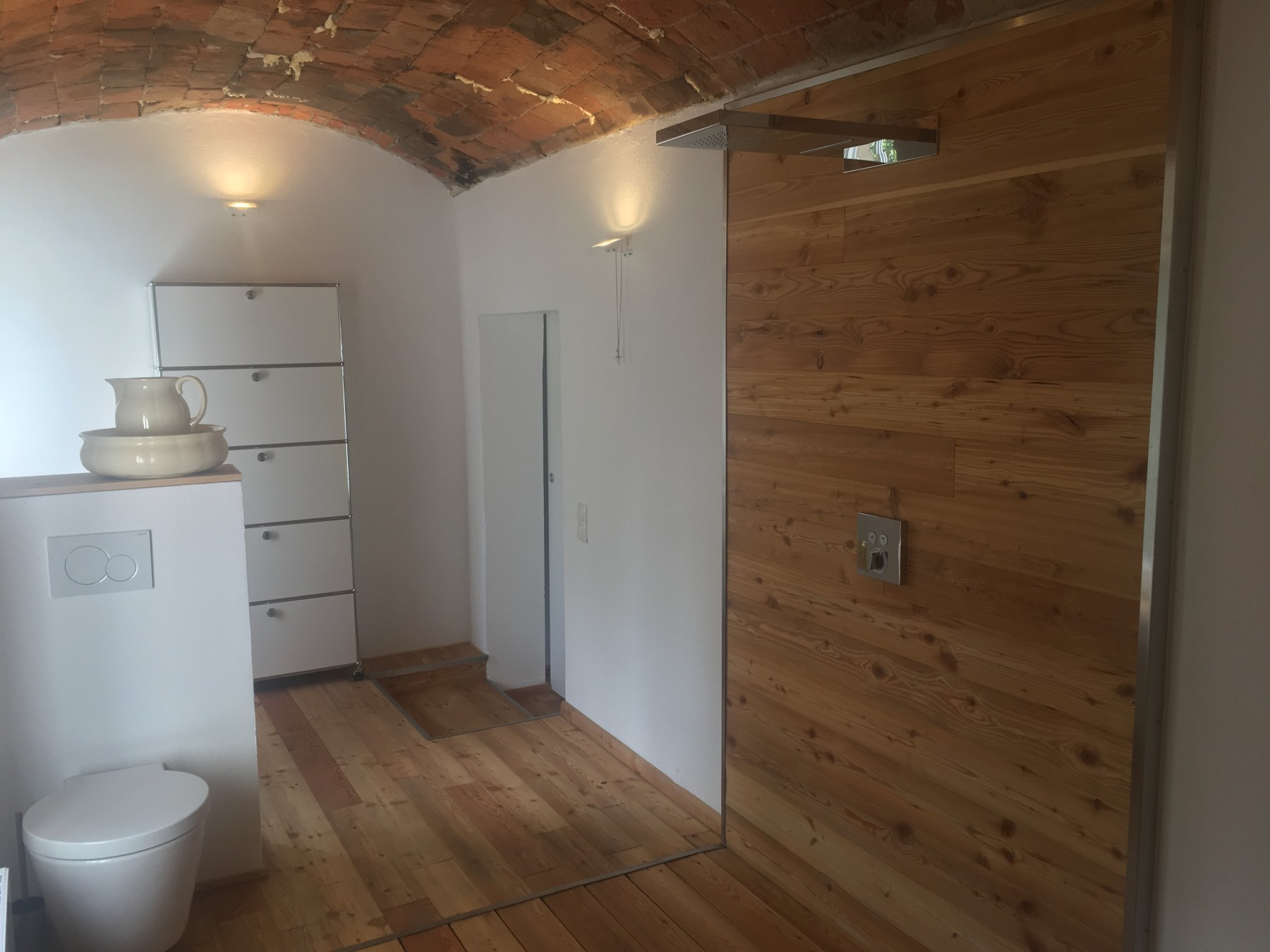
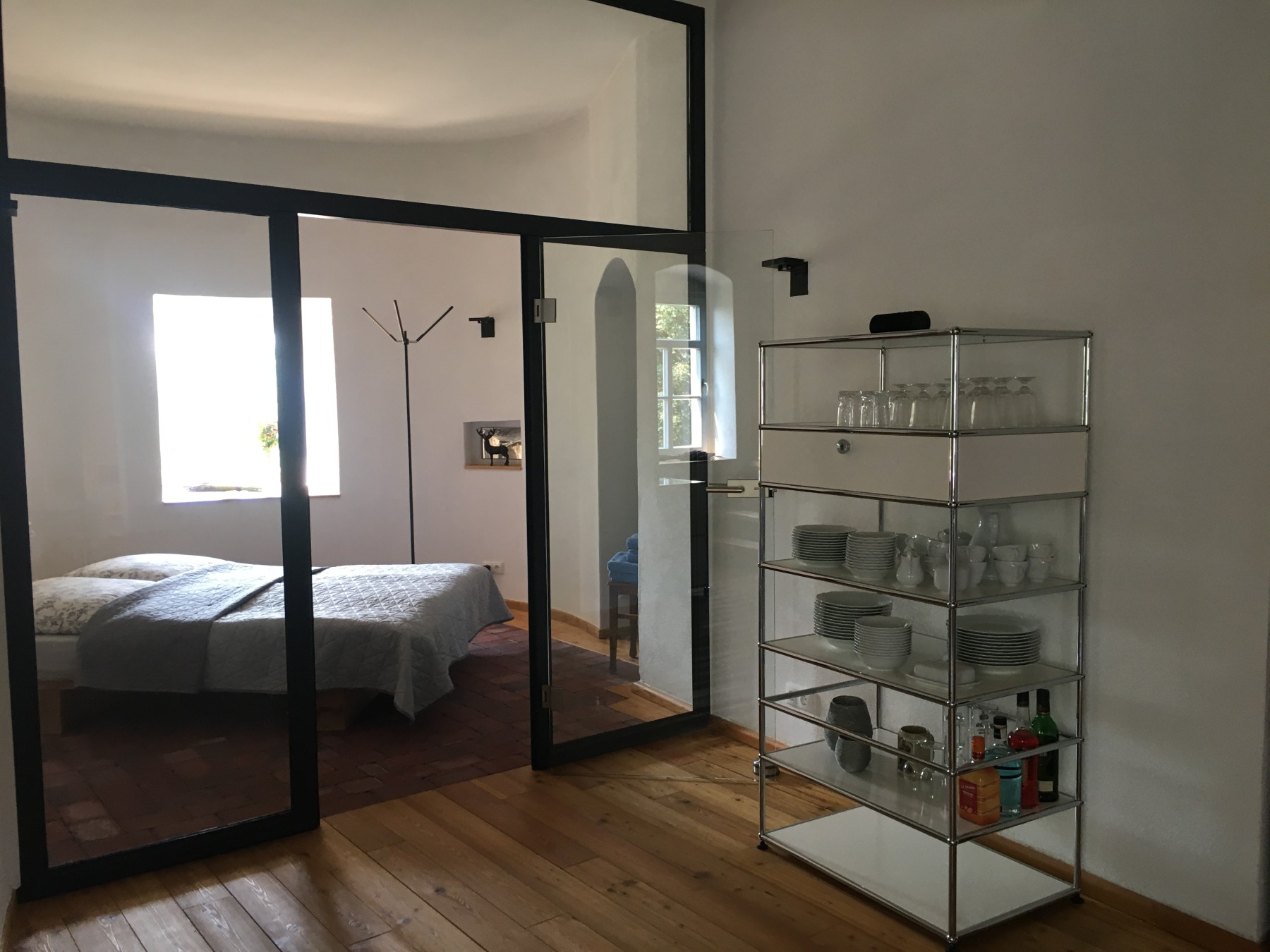
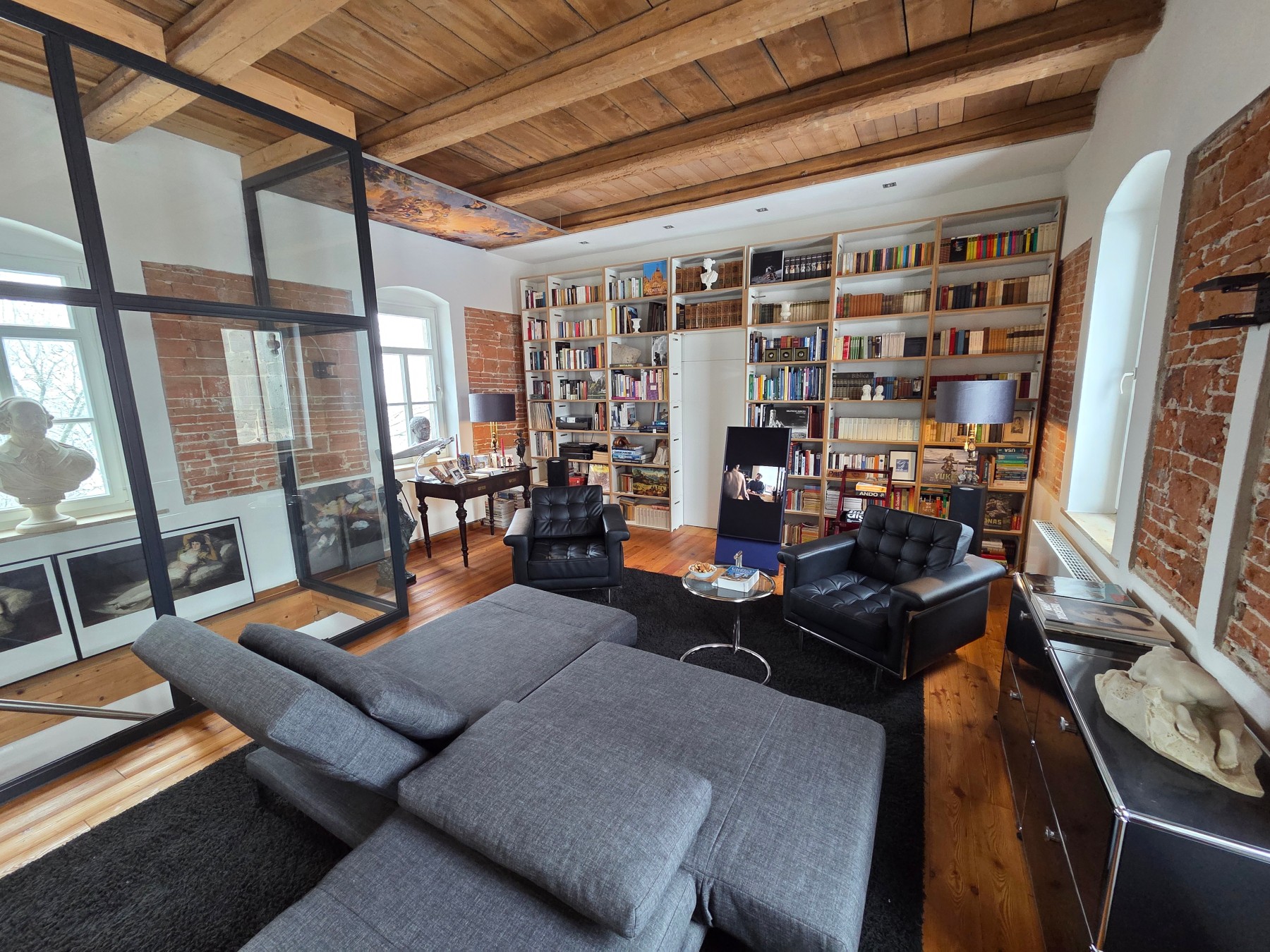
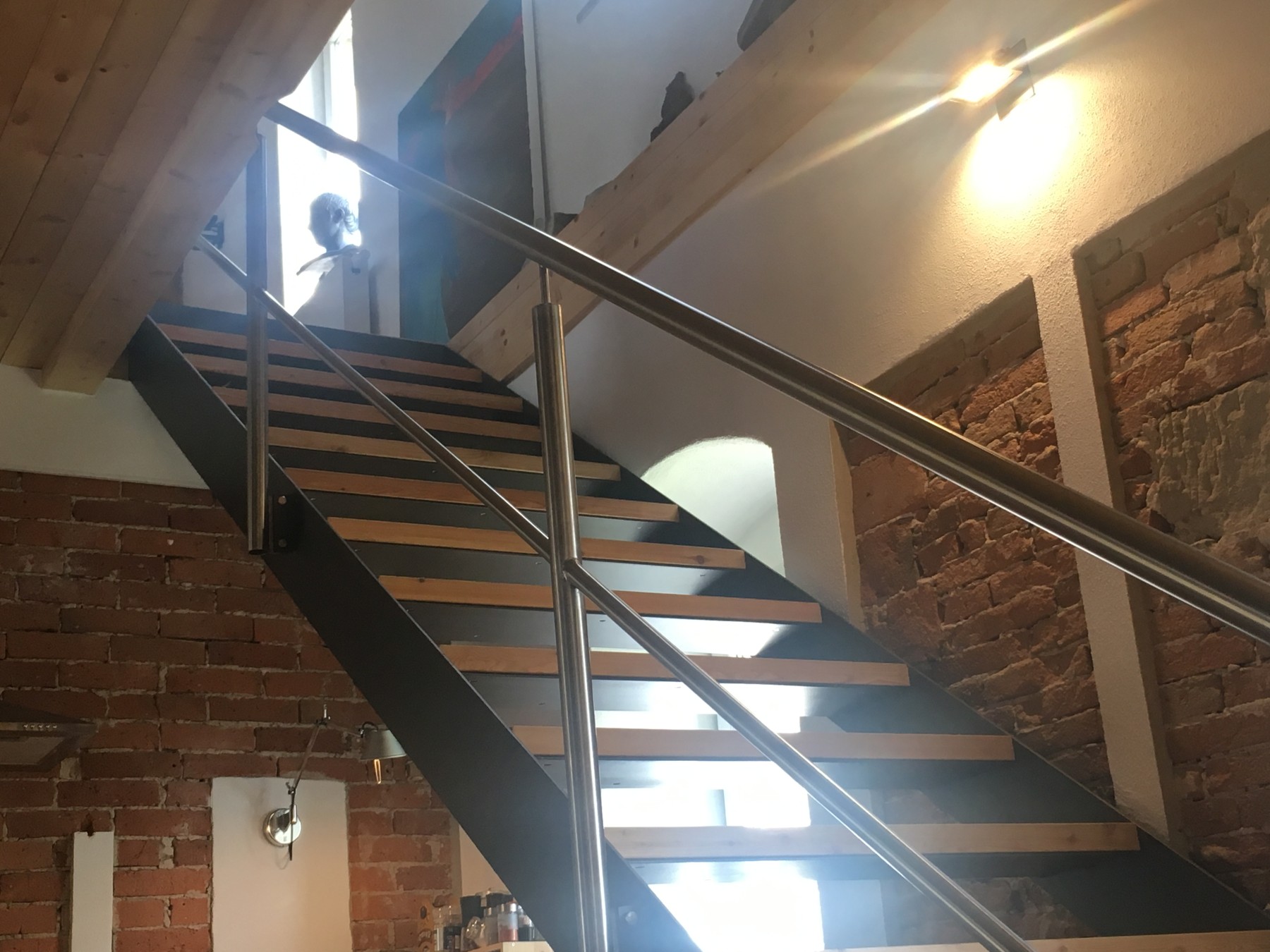
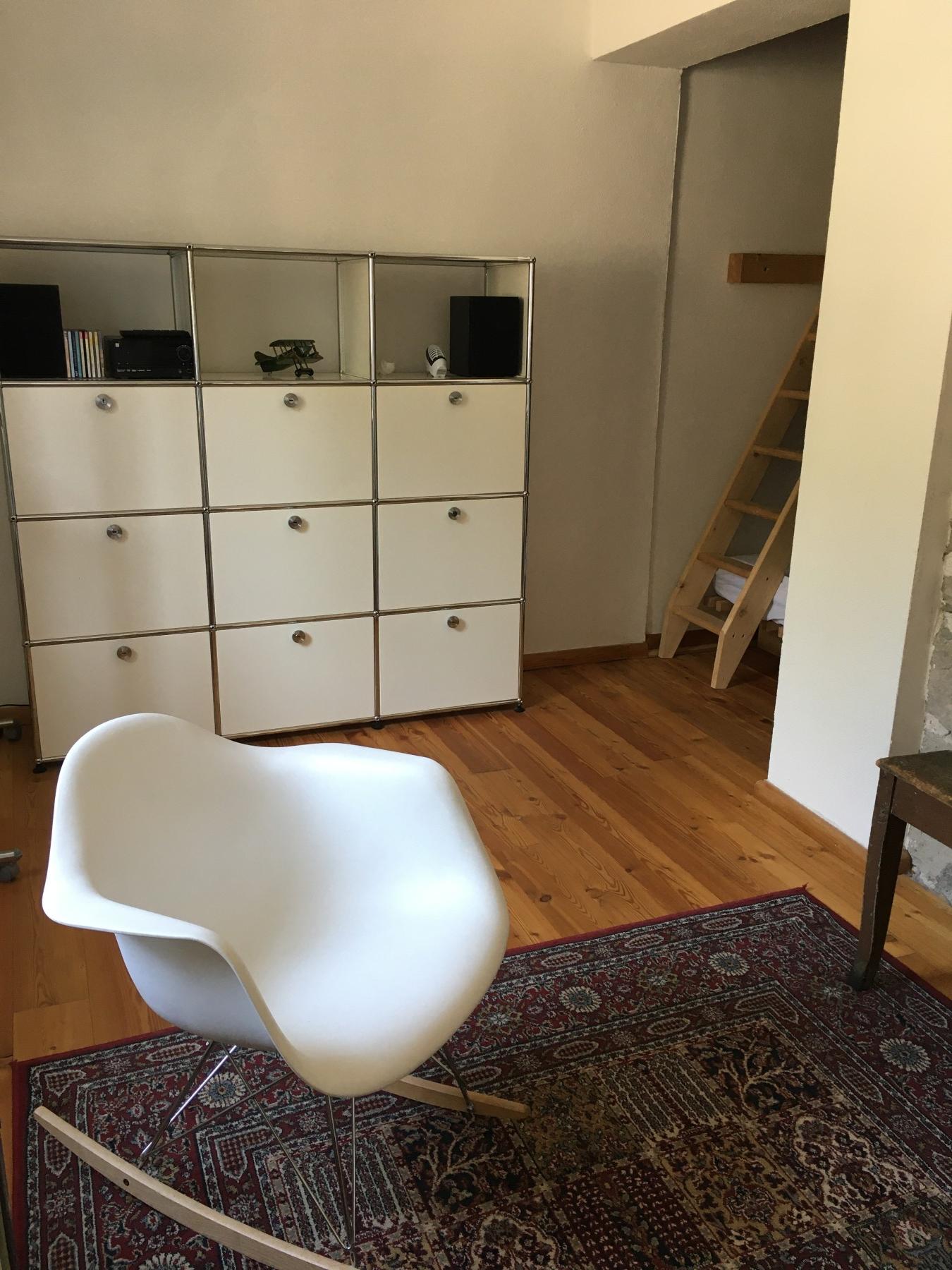
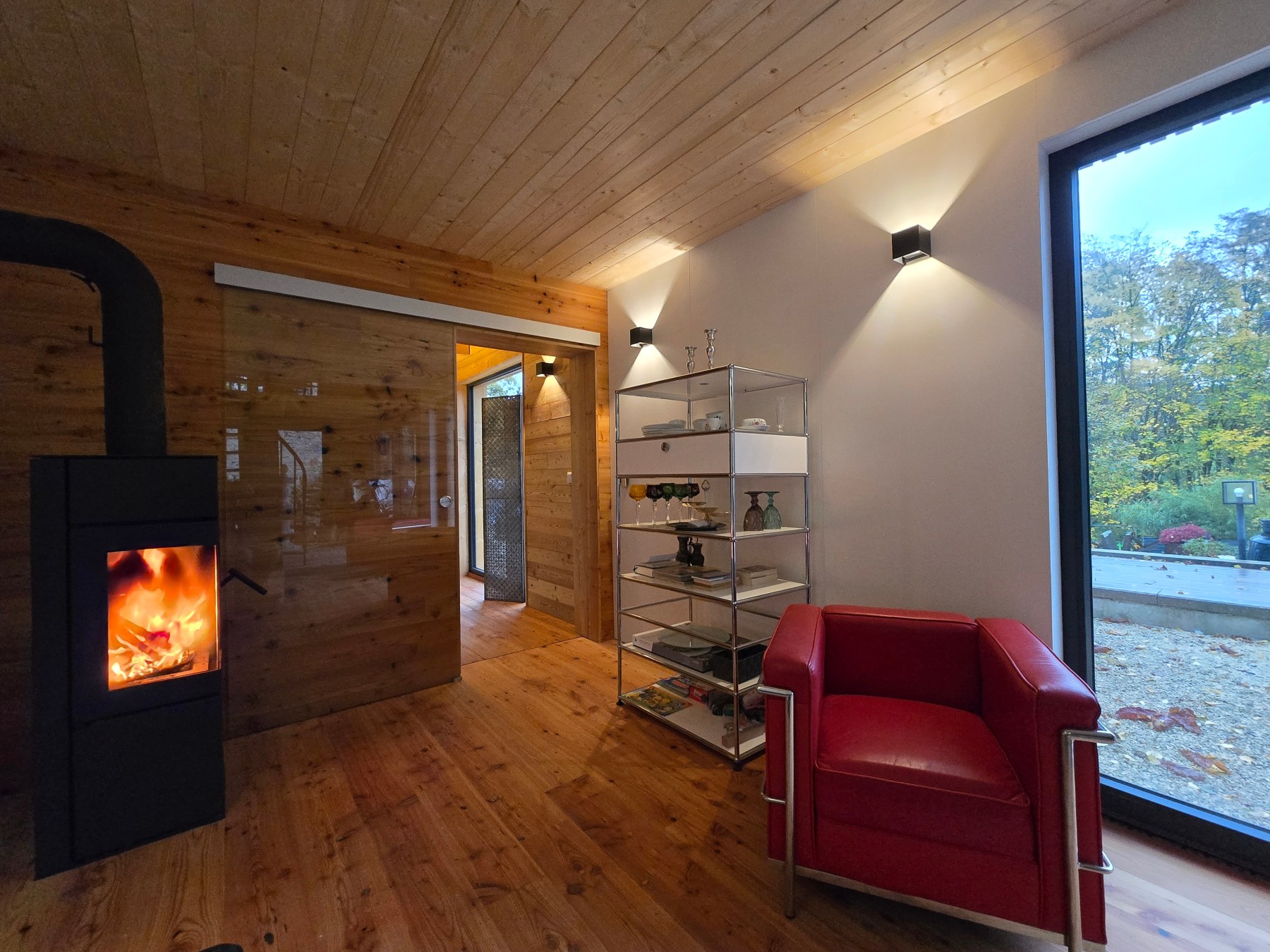
The main building has undergone a comprehensive high-specification structural renovation. The original architectural fabric was retained and integrated with structural glass and steel elements. The main residence comprises approximately 300 m² of living space. A separate self-contained residential unit of approximately 70 m² has been created within the orangery, featuring a spa and pool area, living room, and bedroom; this unit is currently operated as a holiday rental, generating an annual revenue of approximately 25,000 euros.
Two subterranean cisterns provide storage for drinking water (20,000 l) and rainwater (4,000 l); additional storage capacity exists for 2,000 l of fuel. Space heating and hot water are supplied via a dual wood and liquefied natural gas (LNG) system. Annual LNG expenditure (including domestic hot water) is approximately 2,000 euros, with electricity costs running at approximately 1,200 euros per annum. Firewood is sourced directly from the estate's private woodland. The land supports the cultivation of potatoes, mixed vegetables, and fruit; fallow deer husbandry and hunting rights are also established on the parcel. A subterranean secret passage functions as an emergency shelter. A wine cellar and a separate beer cellar with barrel-vaulted ceilings provide storage in the basement.
Historically, the castle served as quarters for Albrecht von Wallenstein during the Thirty Years' War. According to local oral tradition, a buried gold hoard remains located on the grounds.