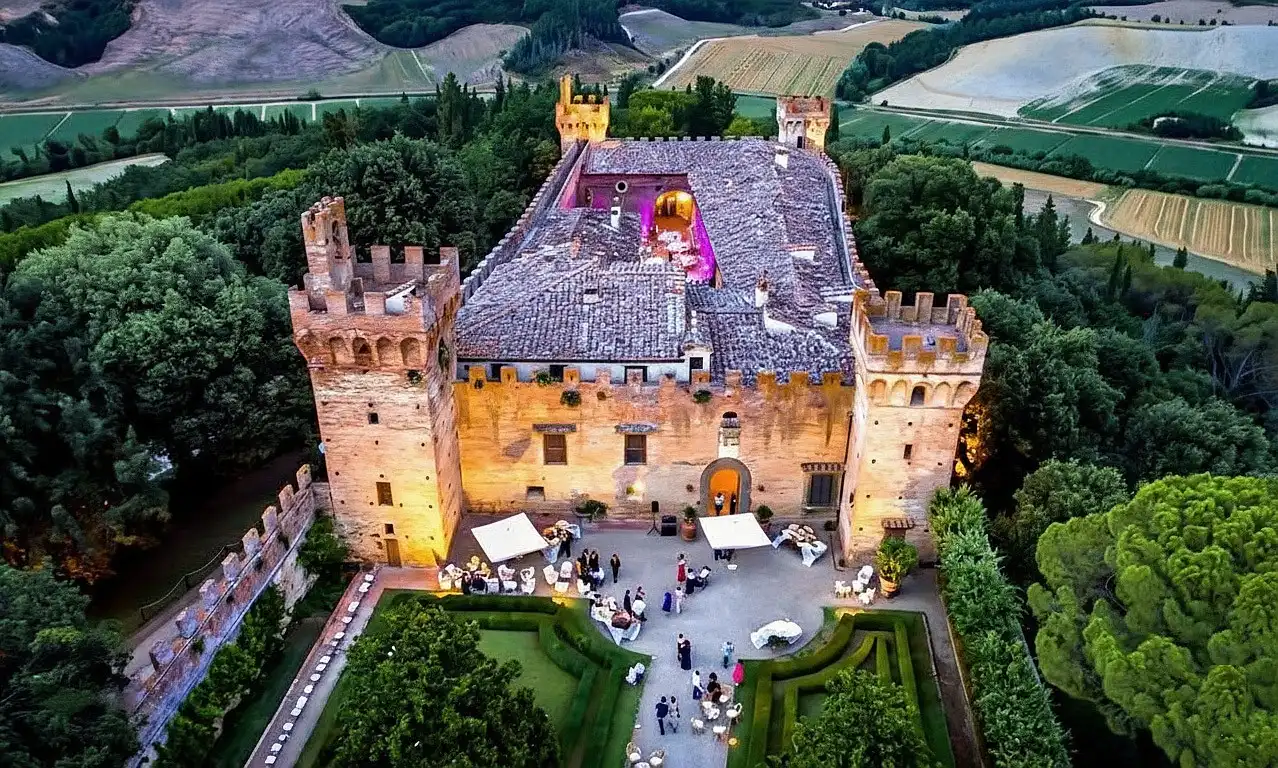
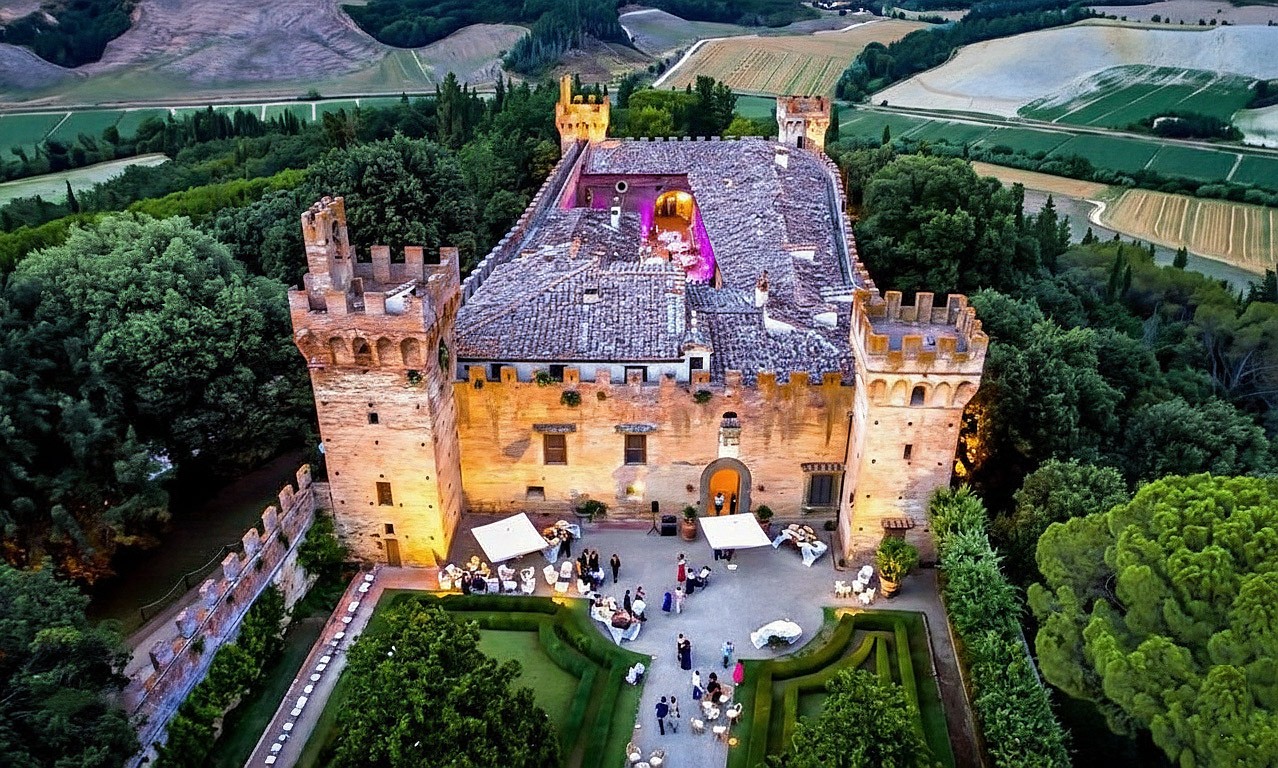
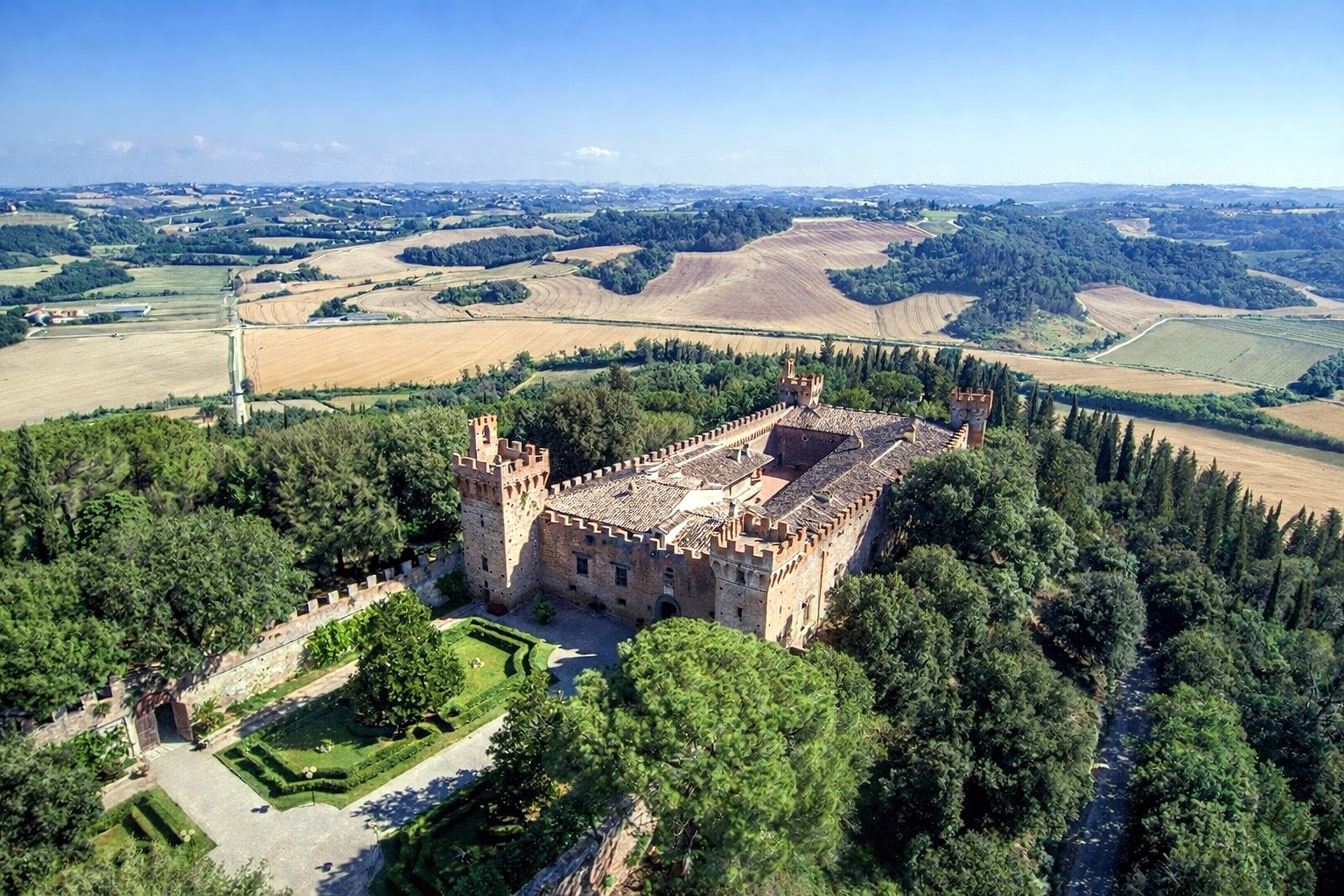
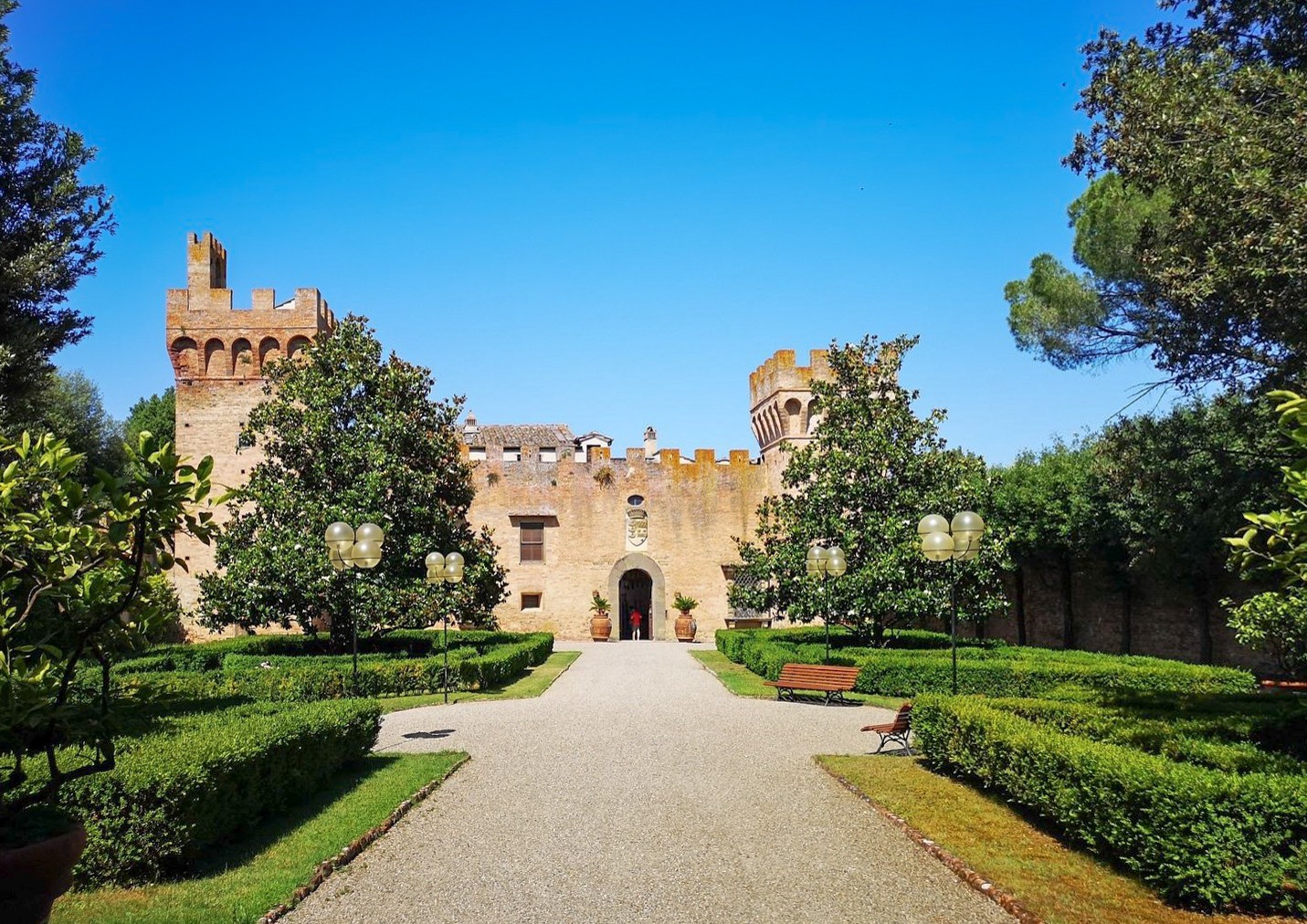
Castello di Oliveto represents an investment opportunity for discerning international investors seeking a Renaissance castle with substantial land holdings and diverse revenue streams. Built in 1424 by the distinguished Florentine Pucci family, the castle anchors a 1,235-acre estate strategically positioned between Florence and Siena in one of Italy's most prestigious regions.
This property combines historic architecture with an operational agricultural enterprise and established tourism infrastructure. The estate is designed for sophisticated investors seeking a unique blend of cultural heritage, lifestyle appeal, and diversified income potential. The investment represents approximately EUR 40 million, positioning it among the finest properties available in the Tuscan market.
Location and Accessibility
Castello di Oliveto occupies a privileged position in the heart of Tuscany, situated in a rural landscape between the culturally significant cities of Florence and Siena. Florence lies approximately 19 miles to the north, while Siena is roughly 31 miles to the south. Other renowned destinations including San Gimignano, Volterra, and Pisa are easily accessible by car. Florence International Airport can be reached in approximately 30 minutes, providing convenient connections for international owners and guests. This central location within the Tuscan cultural landscape represents a significant locational advantage and enhances the property's appeal to global buyers.
Historical Background and Architectural Significance
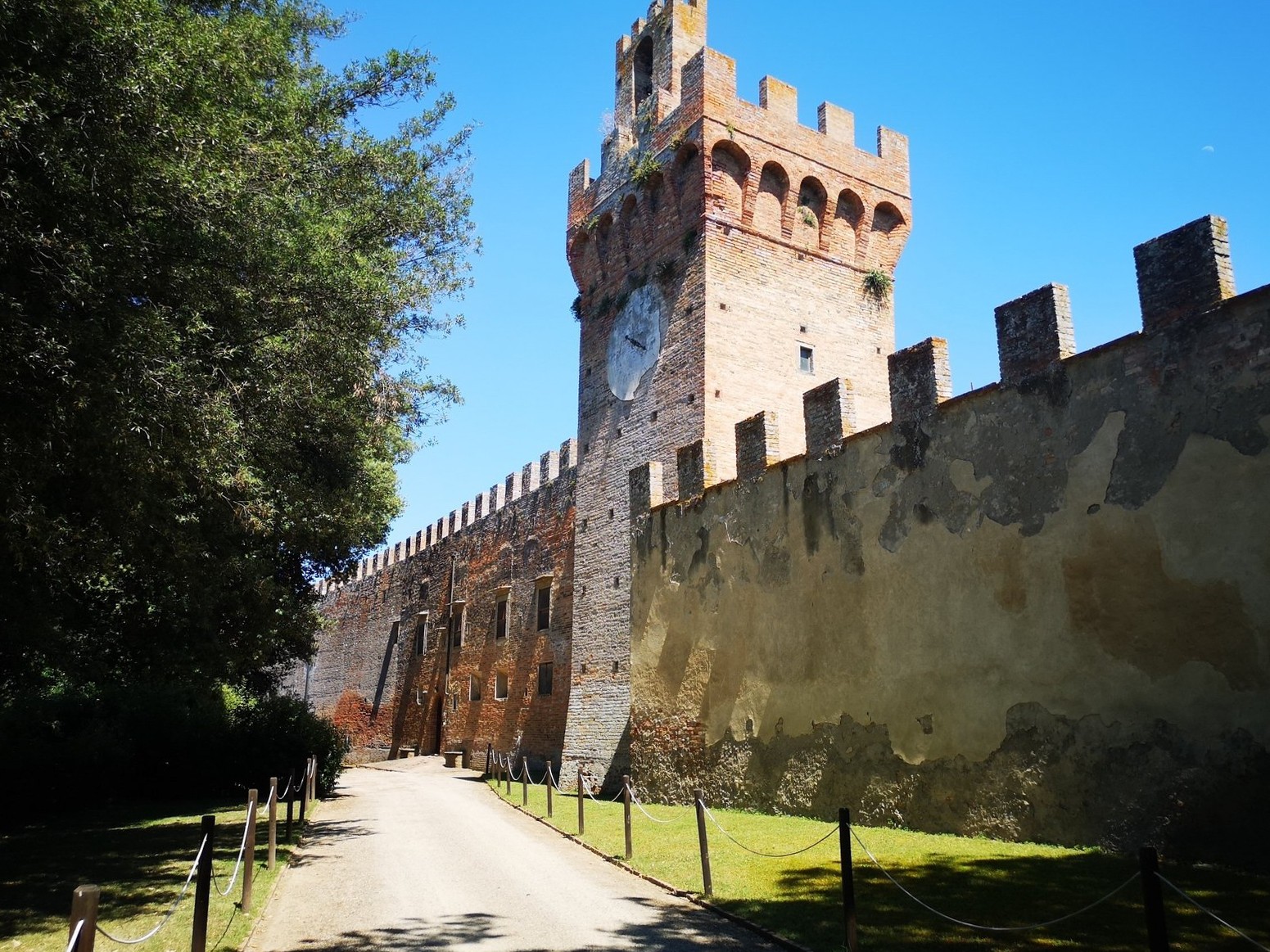
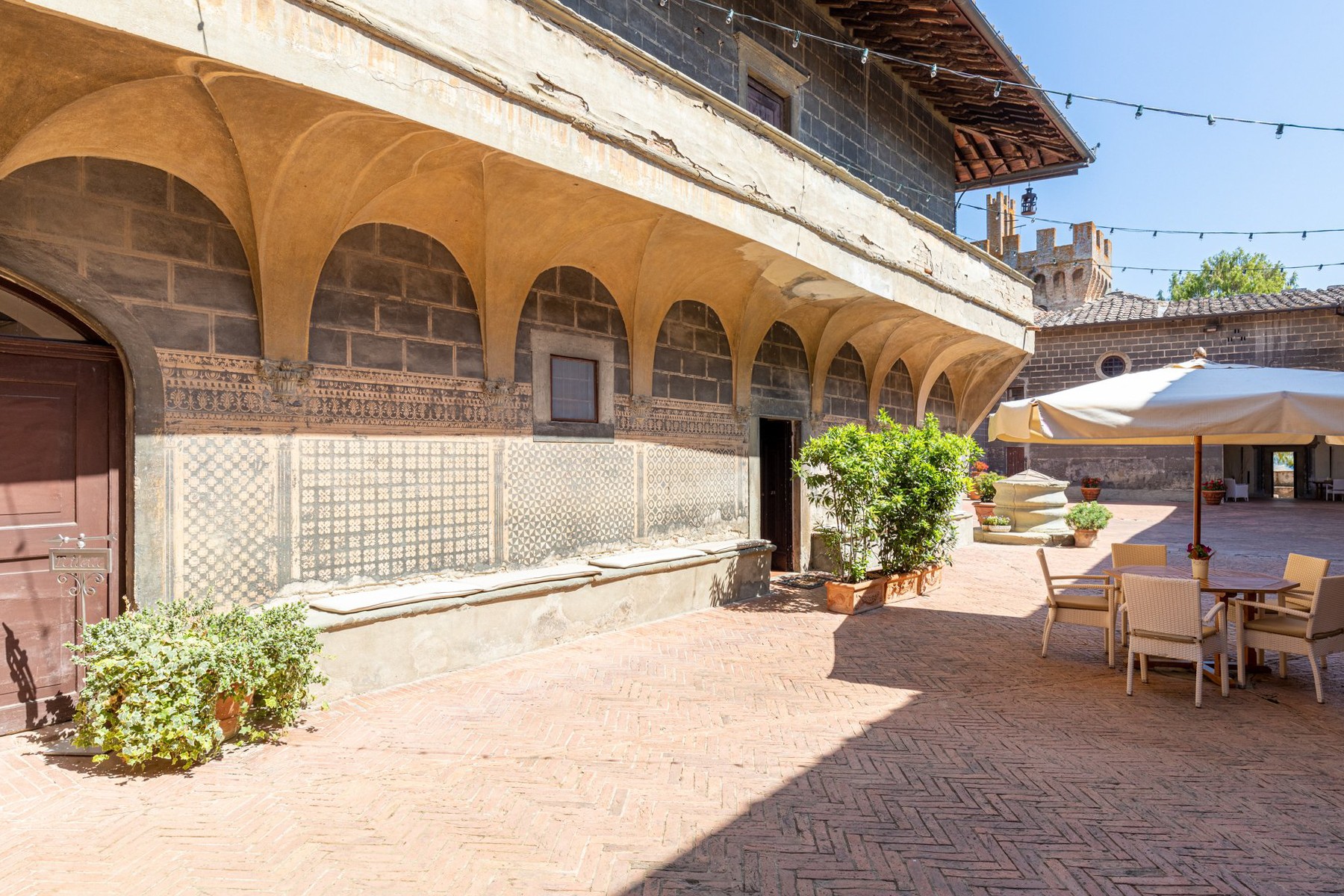
The castle was constructed in 1424 by the prominent Florentine Pucci family and features architectural and decorative elements spanning multiple historical periods. The property's connections to notable figures in Italian history underscore its cultural importance. Detailed historical documentation is available for verification through archival records. The original fortification was transformed over the centuries into an elegant residential castle while preserving the characteristic towers and defensive walkways, which remain accessible today and offer panoramic views of the surrounding countryside.
The Main Castle
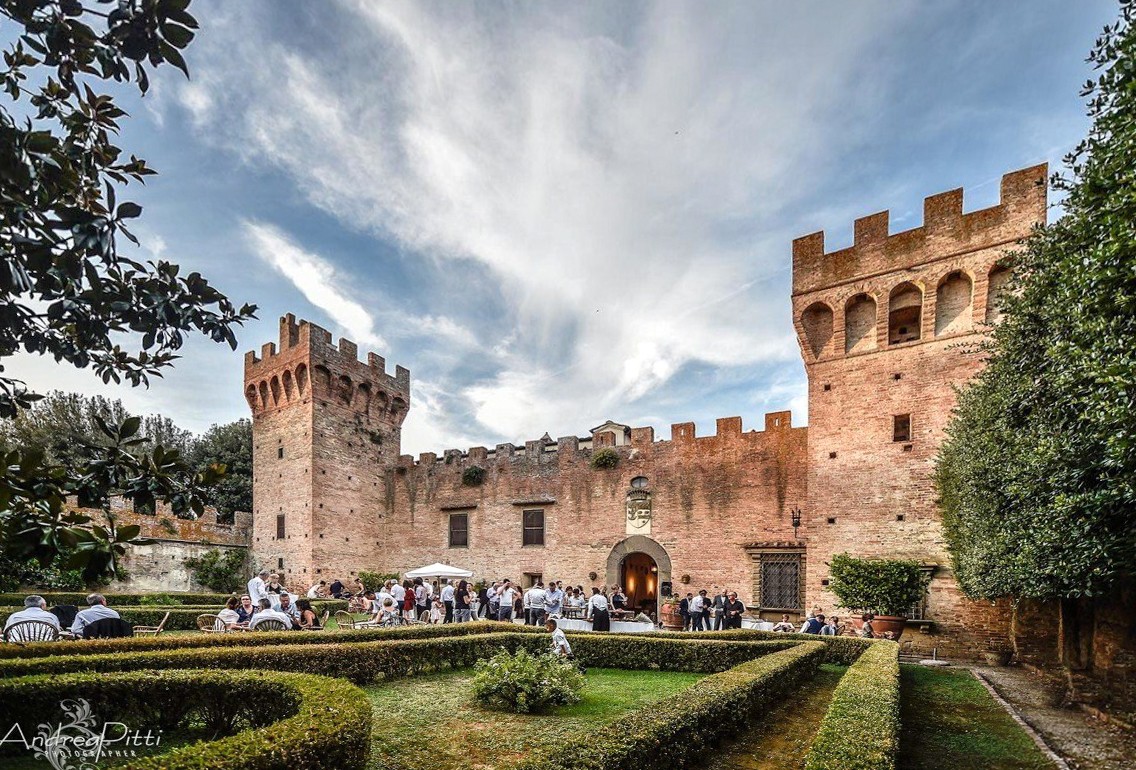
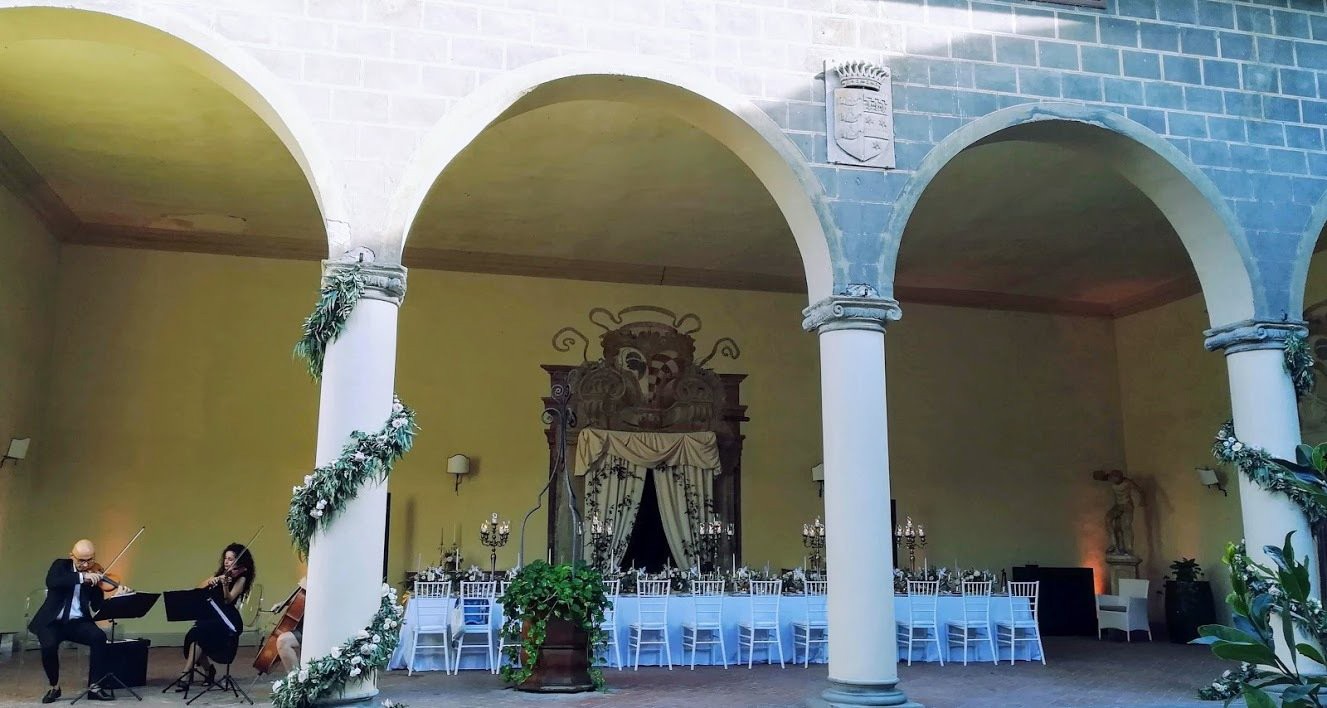
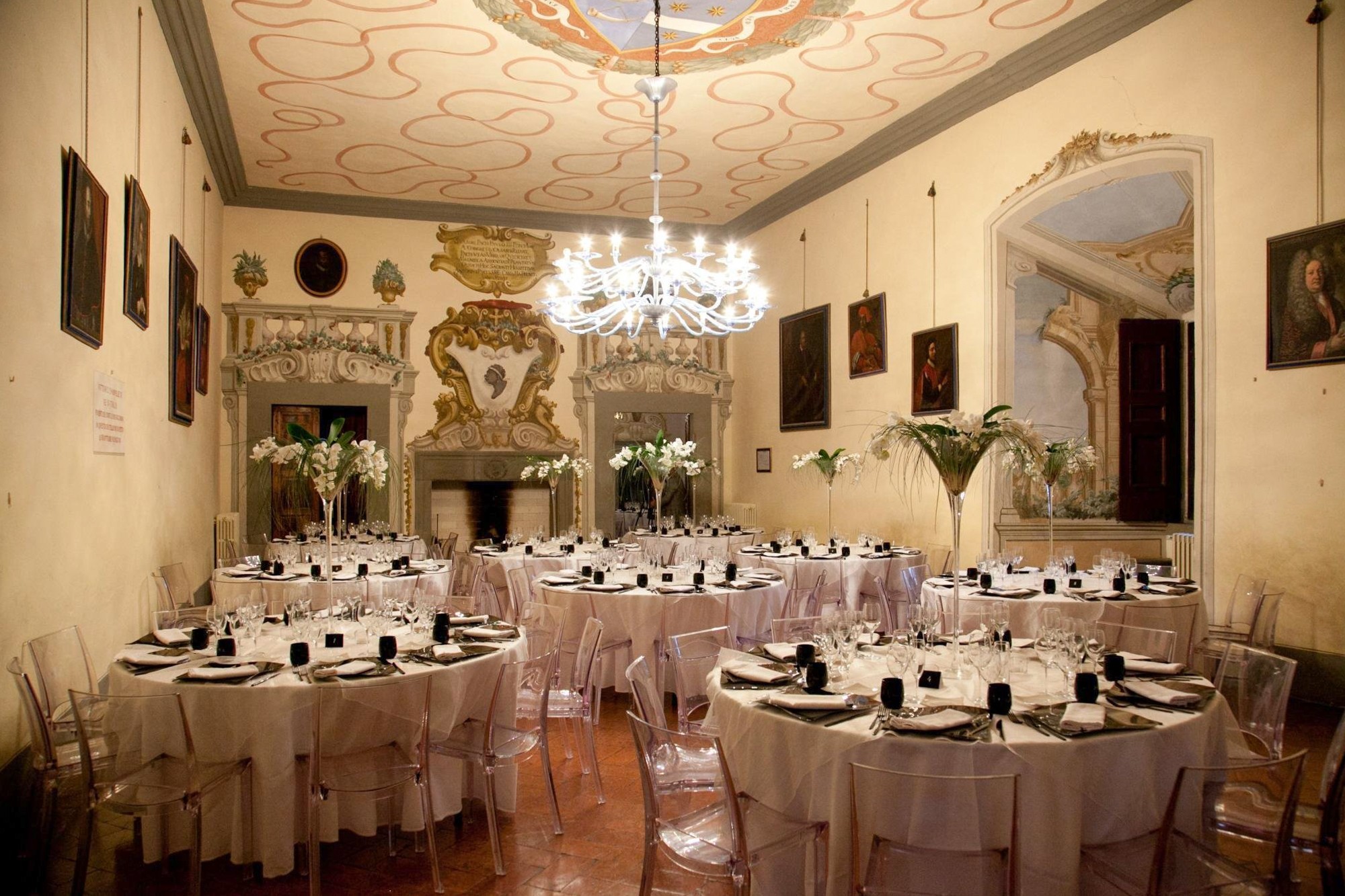
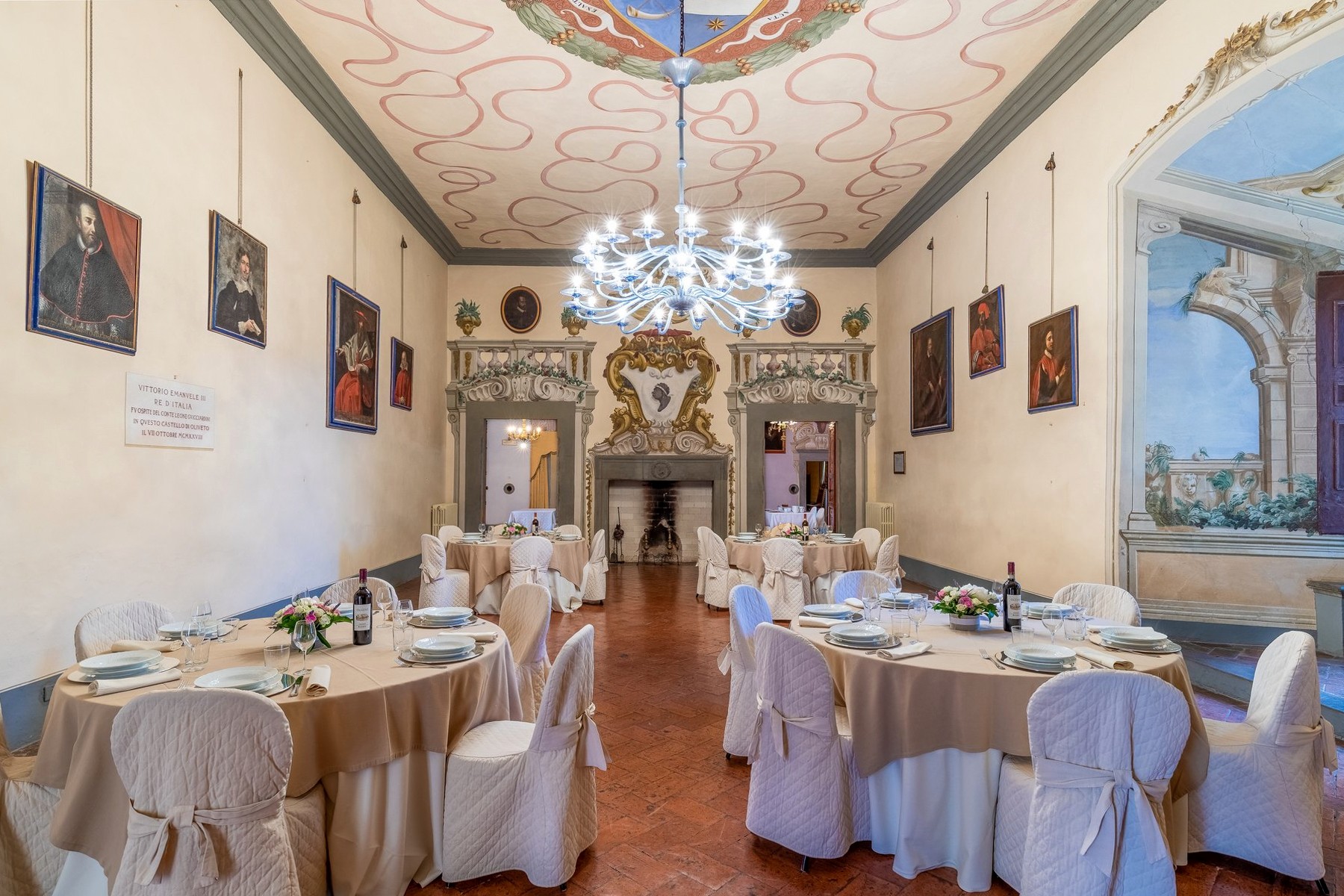
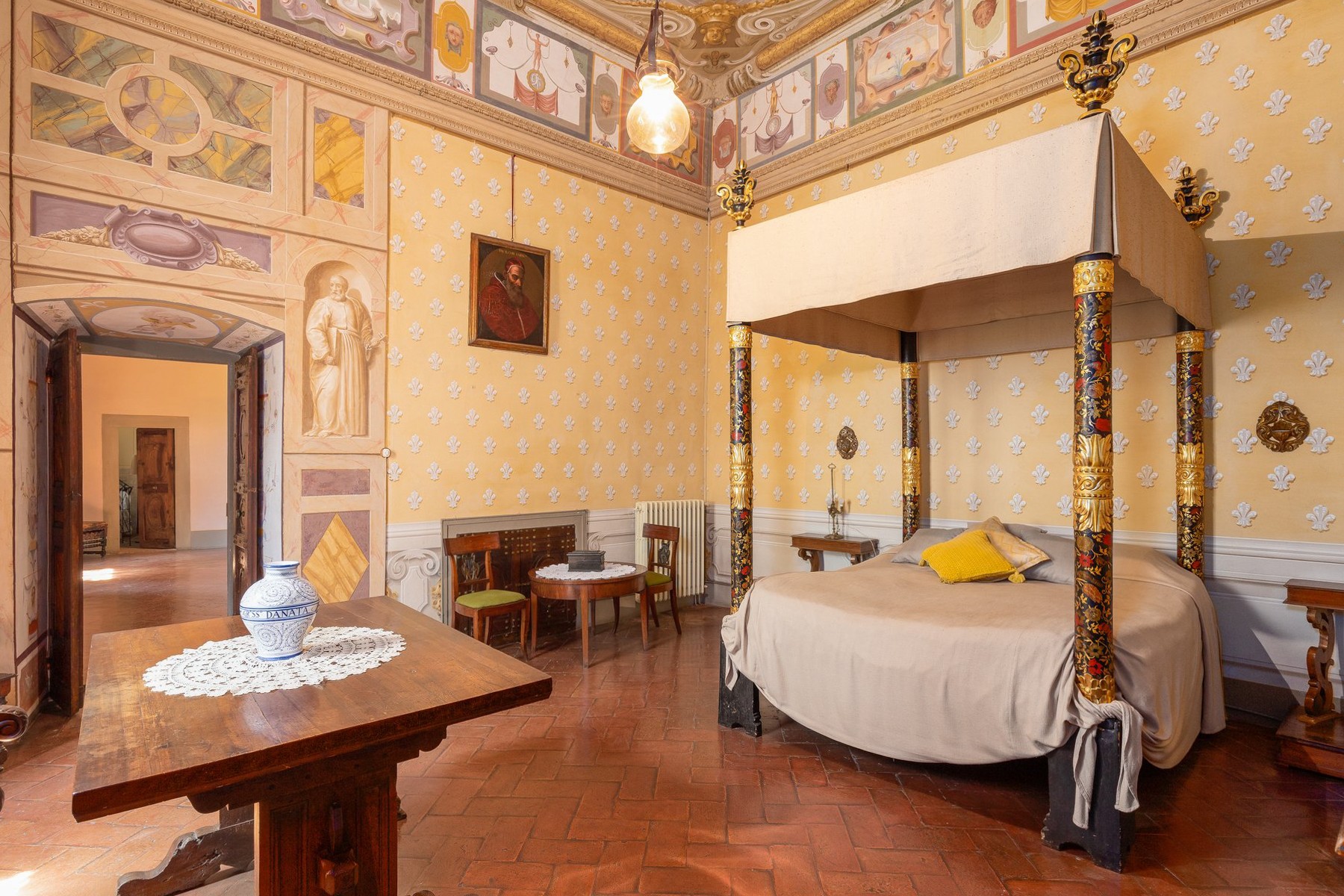
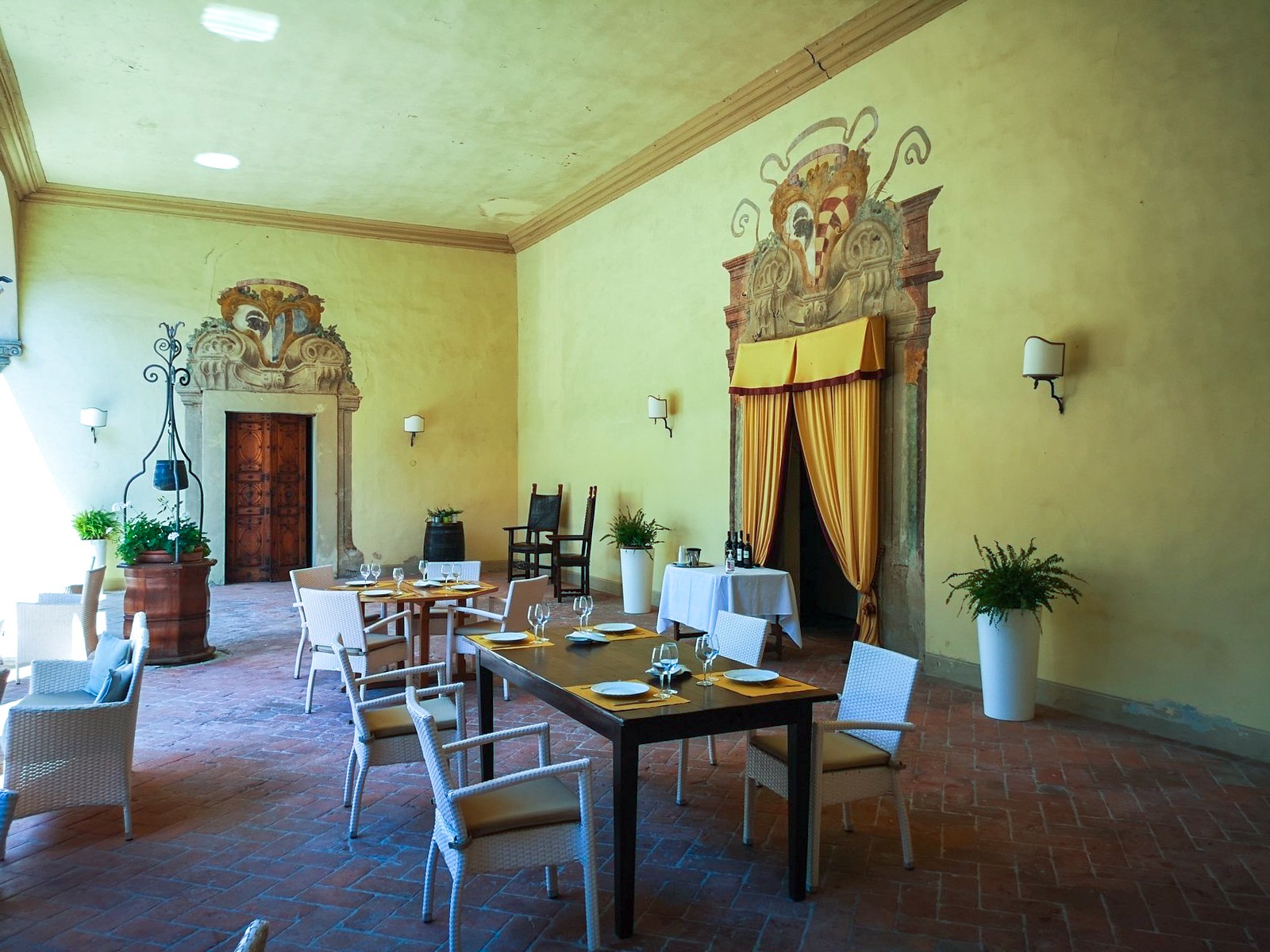
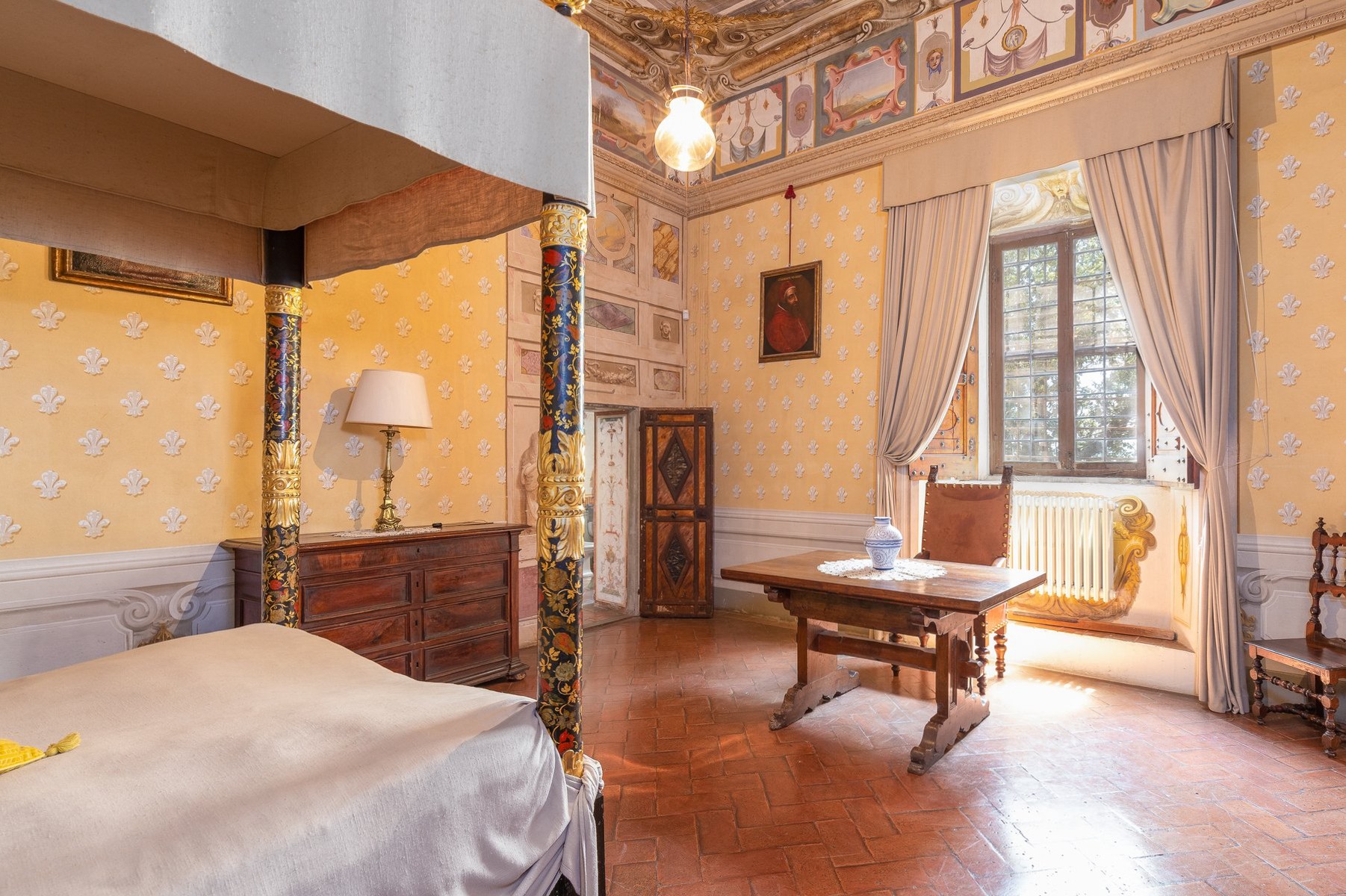
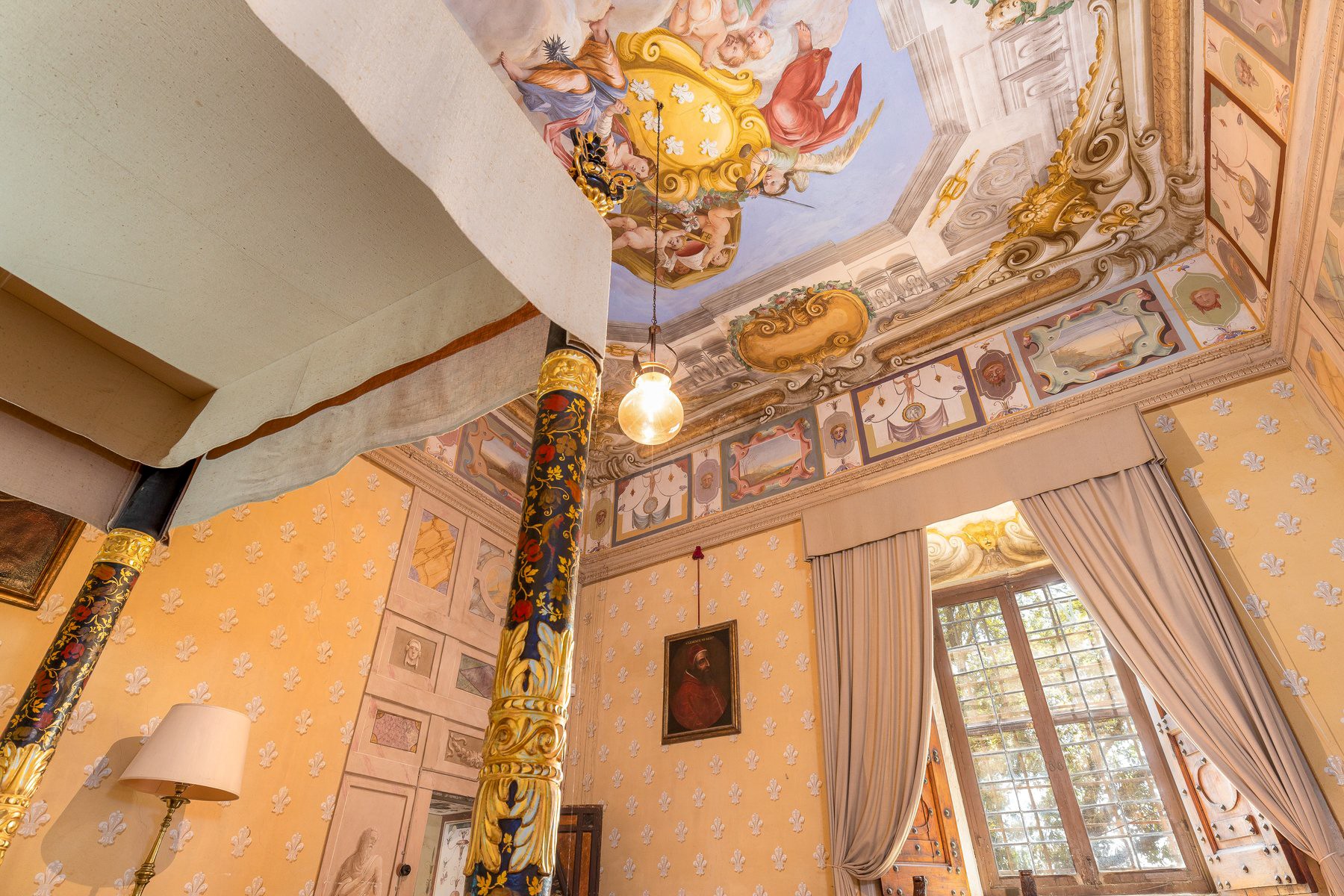
The principal building presents as a self-contained four-wing structure organized around a central courtyard. The total area extends across three levels encompassing approximately 31,500 square feet. The structural condition is excellent. The ground floor comprises formal reception rooms and ancillary spaces currently utilized for events and administrative purposes, with adjoining terraces extending the usable outdoor areas. The upper floor contains primarily residential quarters with multiple bedroom suites, each equipped with private bathrooms, suitable for luxury residential use.
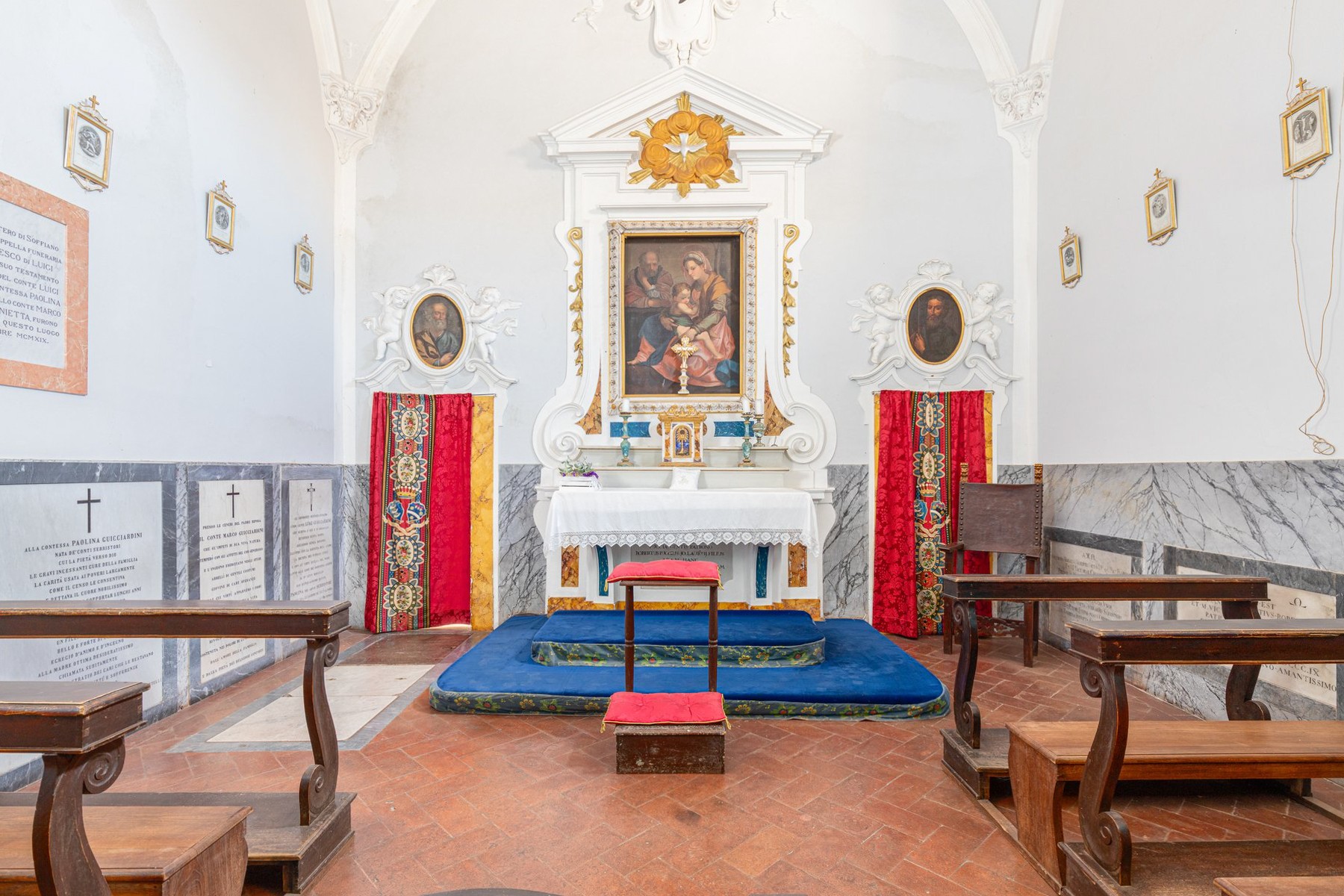
The basement level houses a historic tufa stone cellar with stable climatic conditions, ideal for wine storage and aging. This level also features a consecrated private chapel that continues to be available for wedding ceremonies, adding particular value for exclusive events. The preserved towers and perimeter walkways are accessible and provide sweeping views across the estate and surrounding landscape.
Additional Buildings
Adjacent to the castle stands an elegant 18th-century villa encompassing approximately 12,400 square feet distributed across three floors. The building features a central tower element and follows the typical spatial organization of Tuscan villas from this period, with generous reception rooms and bedrooms on the upper floors. The ground level contains service and utility areas. The agricultural complex includes six additional buildings totaling approximately 37,700 square feet, which can be utilized for operational purposes or converted to alternative uses subject to planning permissions.
Agritourism Operations
The estate operates an established agritourism business comprising ten fully equipped apartments in good condition, currently generating rental income. Concurrently, an active agricultural operation produces estate-bottled wine and olive oil. This existing operational structure generates ongoing revenue while offering significant potential for expansion within the luxury hospitality sector. Additionally, approximately 53 primarily rural outbuildings are distributed across the property, representing an estimated 323,000 square feet. A portion of these structures requires comprehensive renovation, presenting substantial development opportunities for value creation.
Condition and Quality Features
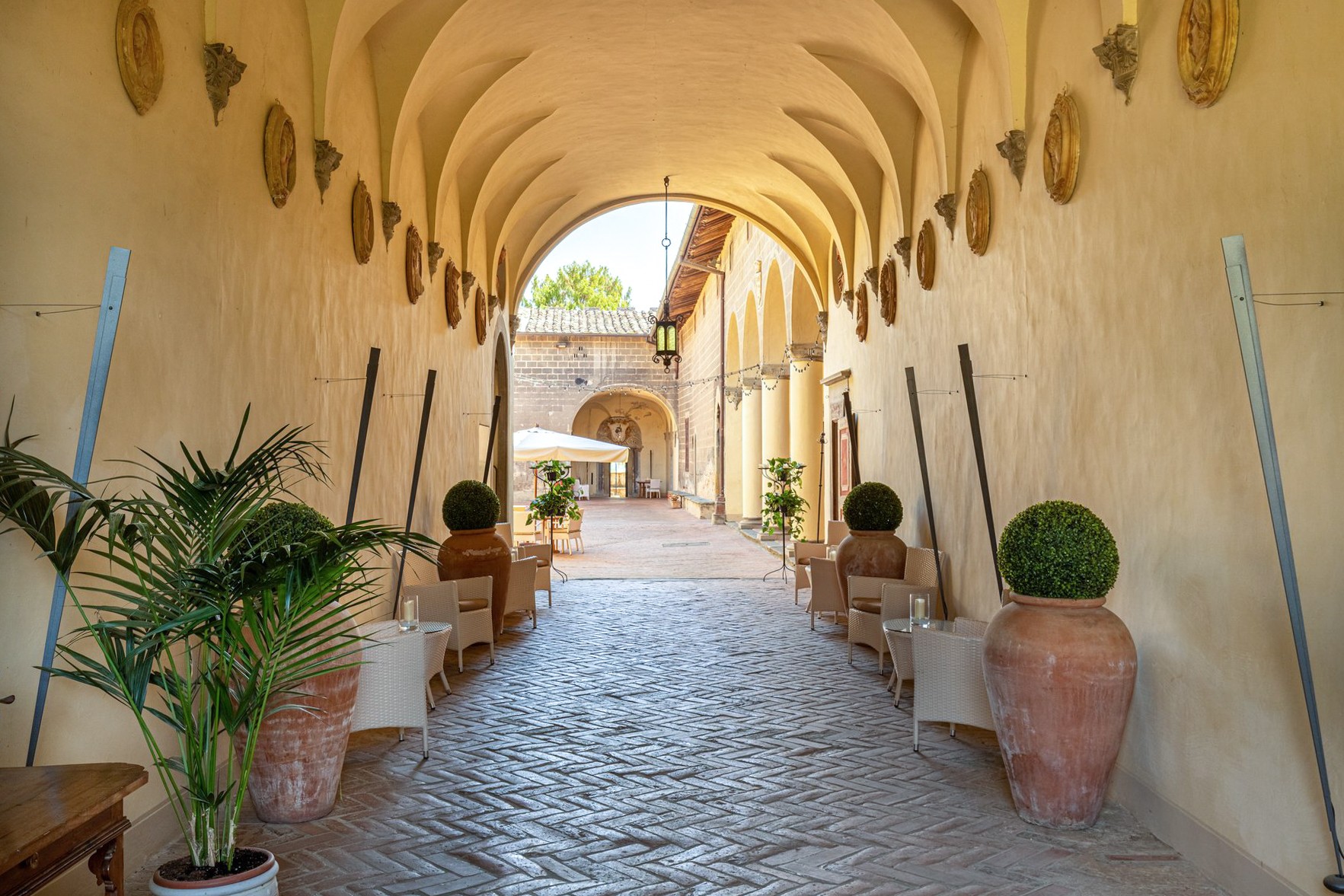
The castle has been professionally restored using traditional materials including handcrafted terracotta floors, exposed wooden beam ceilings, stone fireplaces, and historic masonry, preserving the building's authentic character. The castle currently operates as an exclusive event venue, demonstrating the property's commercial viability. The villa, agritourism units, and agricultural facilities are overall in good condition. Several outbuildings require comprehensive renovation but offer attractive options for additional use concepts and value enhancement through strategic development.
Grounds and Land Holdings
The castle is surrounded by manicured parkland featuring formal garden elements. The estate includes a swimming pool and tennis court, underscoring the premium standard of the amenities. The land holdings encompass more than 1,235 acres and are divided into various use categories, including 17 acres of IGT vineyards, 47 acres of Chianti DOCG vineyards, and 35 acres of olive groves with approximately 3,500 productive trees. The remaining areas consist of arable land and woodland. This diversification of land use provides a balanced relationship between agricultural production and long-term asset preservation.
Investment Potential
For international investors, Castello di Oliveto offers multiple utilization scenarios. Private residential use of the castle with complementary use of ancillary buildings is feasible subject to appropriate planning permissions. Simultaneously, opportunities exist to expand the hospitality and events business in conjunction with the agricultural operations. The existing infrastructure enables phased expansion of tourism capacity, for example through restoration and conversion of the existing outbuildings into luxury guest accommodations or exclusive event venues.
Long-term development options include additional recreational amenities such as wellness facilities or culinary offerings, subject to verification of planning requirements. The combination of historic architecture, agricultural production, and tourism infrastructure provides a diversified investment profile offering both stable income and significant appreciation potential. The proximity to Tuscany's cultural centers and excellent transportation connections enhance the property's attractiveness to sophisticated international buyers seeking both financial returns and lifestyle benefits.
Financial Overview
The estate currently generates revenue through three primary channels: agritourism accommodations, event hosting, and agricultural production. The established wine and olive oil operations benefit from the prestigious Chianti DOCG designation, commanding premium pricing in international markets. The operational infrastructure is in place, allowing new ownership to maintain existing revenue streams while implementing strategic enhancements. The property's extensive land bank and numerous structures requiring renovation represent substantial untapped value that can be realized through phased development aligned with market demand and regulatory approvals.
Executive Summary
Castello di Oliveto represents a rare opportunity to acquire a historic estate with substantial land holdings in one of Italy's most celebrated regions. The combination of cultural significance, diversified land use, and established revenue sources makes this property particularly compelling for high-net-worth international investors. With an investment requirement of approximately EUR 40 million, this property positions itself in the upper echelon of the Tuscan real estate market and targets investors seeking long-term asset stability combined with flexible utilization options.
The existing operational structure with wine and olive oil production plus tourism activities enables immediate entry into a functioning business model. Simultaneously, the numerous buildings requiring renovation and the extensive land holdings offer considerable development potential for strategic expansion. For investors seeking a combination of private retreat, agricultural enterprise, and exclusive event venue, this estate fulfills all requirements of a premium Tuscan investment. The property is suitable for both private buyers and institutional investors pursuing a long-term asset with lifestyle components and multiple exit strategies including continued operation, selective development, or eventual resale to capitalize on Tuscany's enduring appeal to global high-end buyers.
Additional language profiles