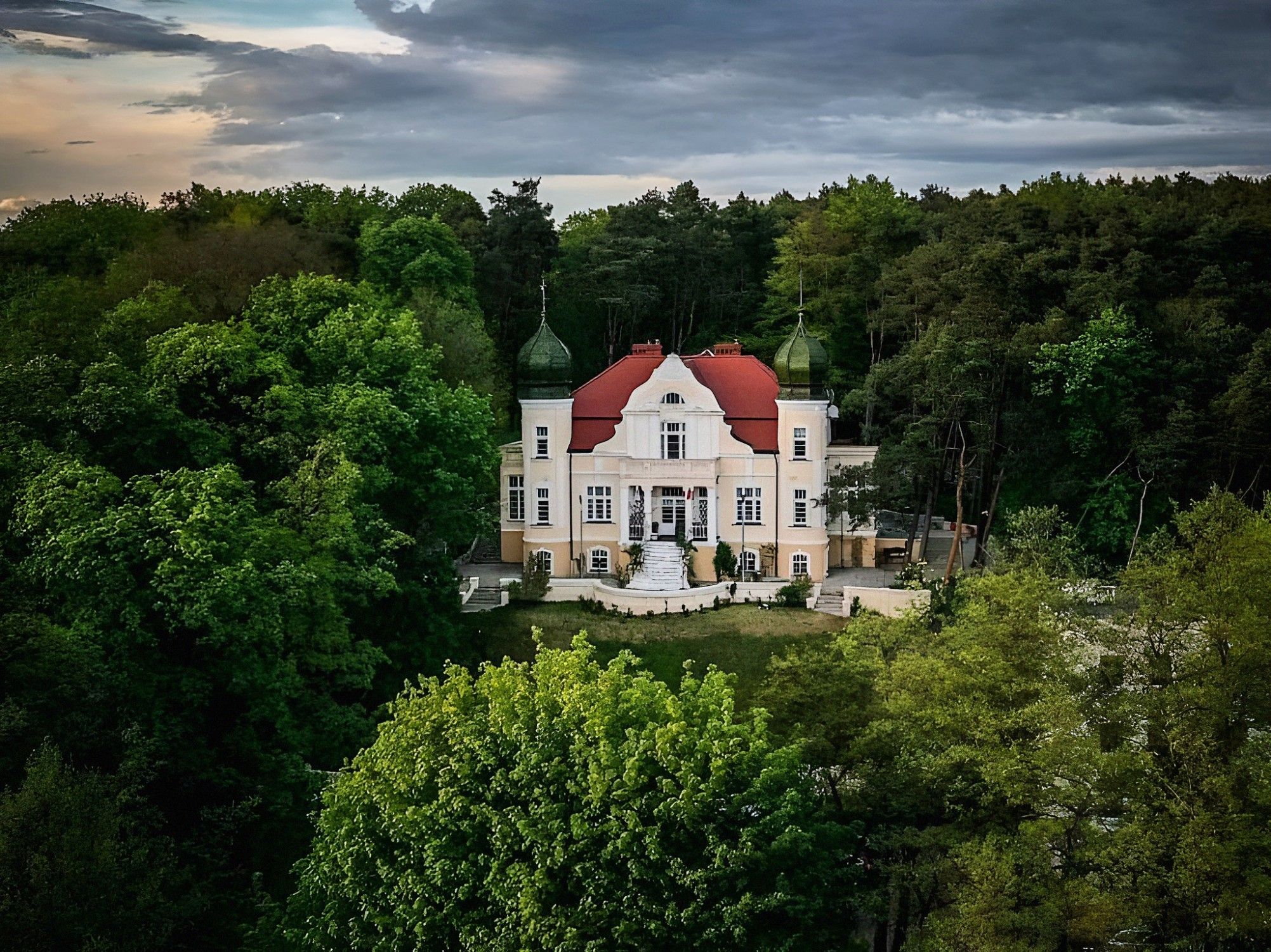
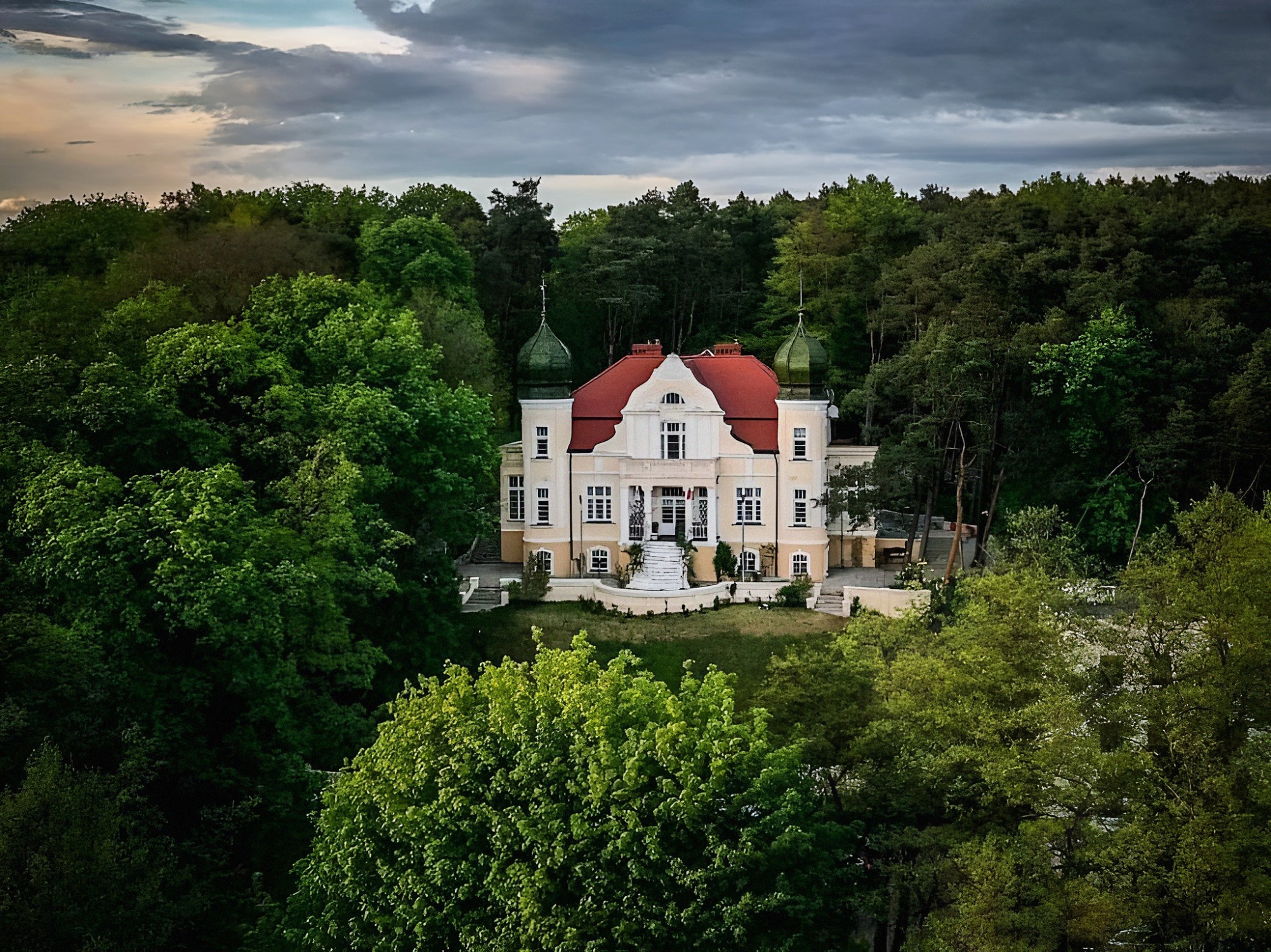
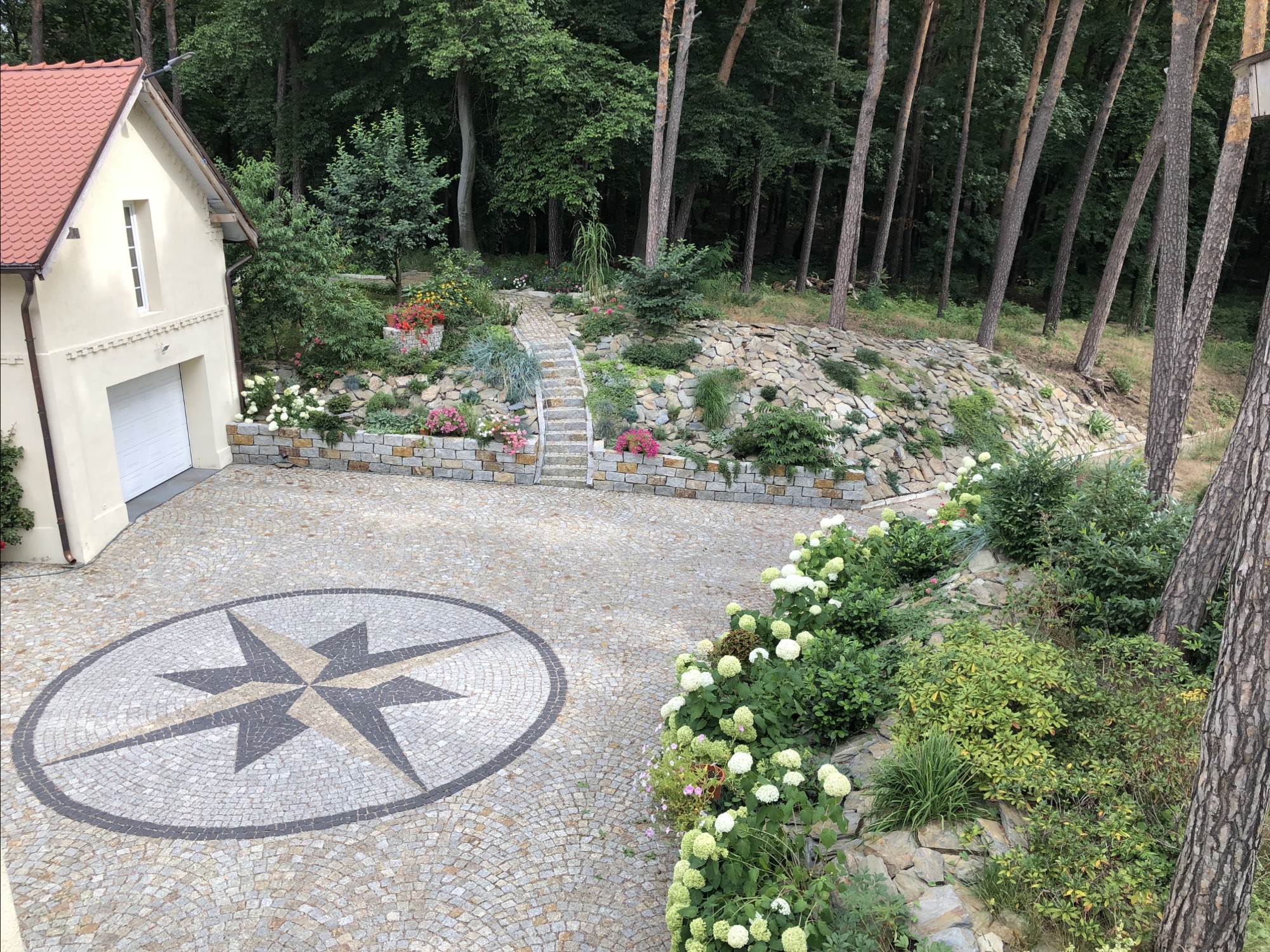
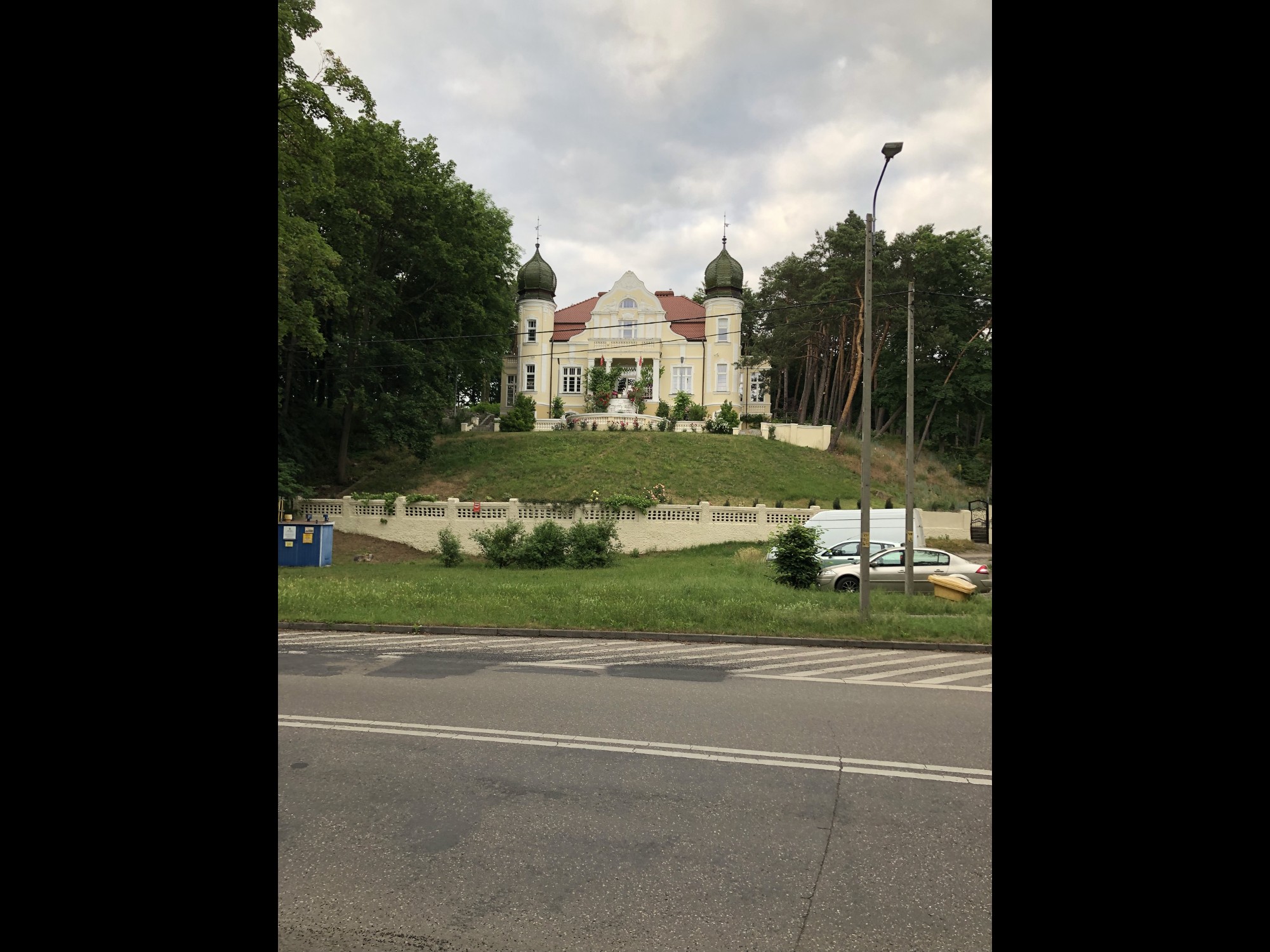
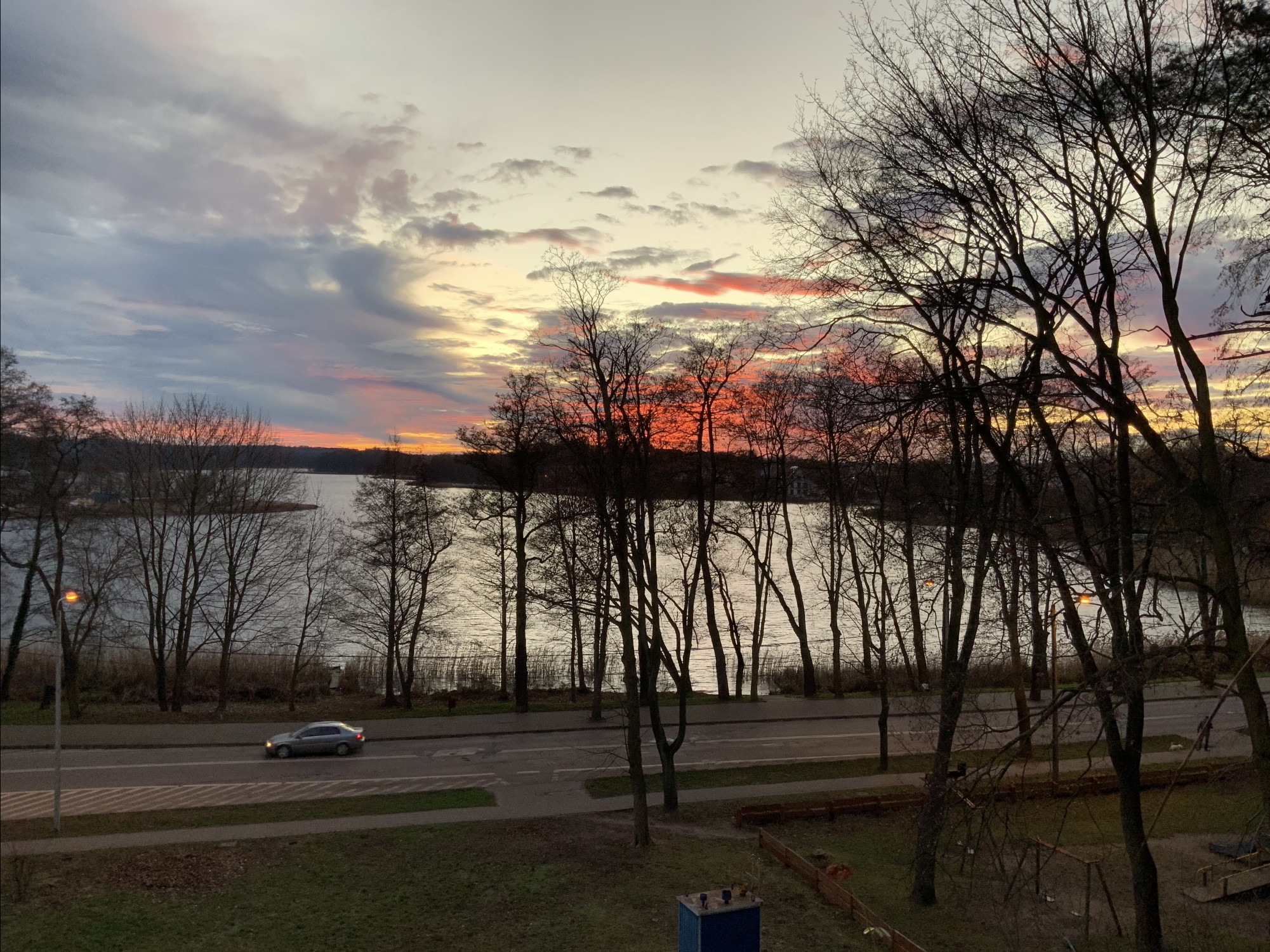
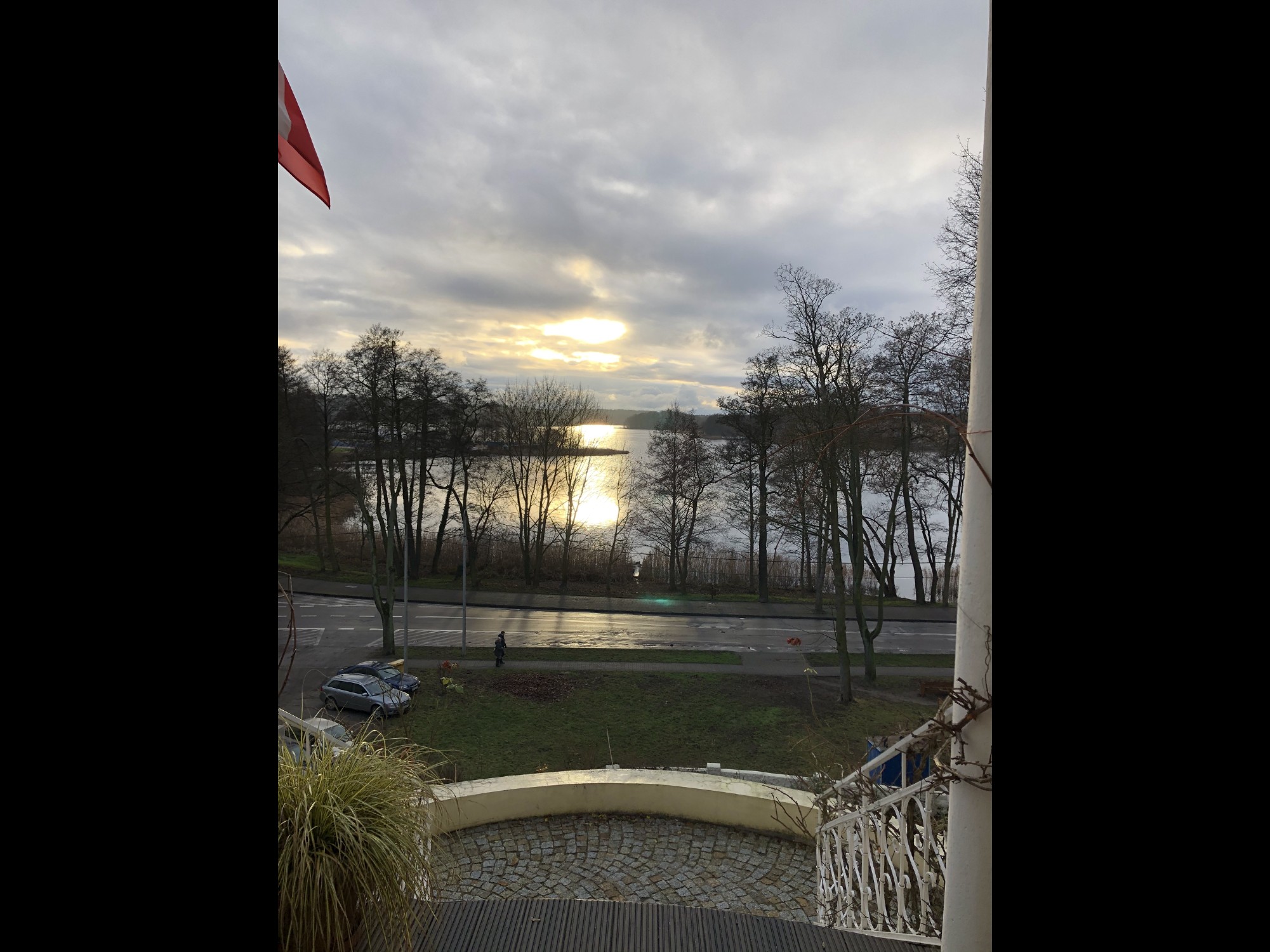
This distinctive villa was built in 1908 by the Dülfer family and is locally known as the “Onion Palace” due to its characteristic bulbous domes. The builder, Martin Dülfer, was one of the pioneers of Jugendstil architecture in Germany. The classically inspired residence with Neo-Renaissance elements stands on a square floor plan, is single-storey, cellared and topped with a broken hip roof.
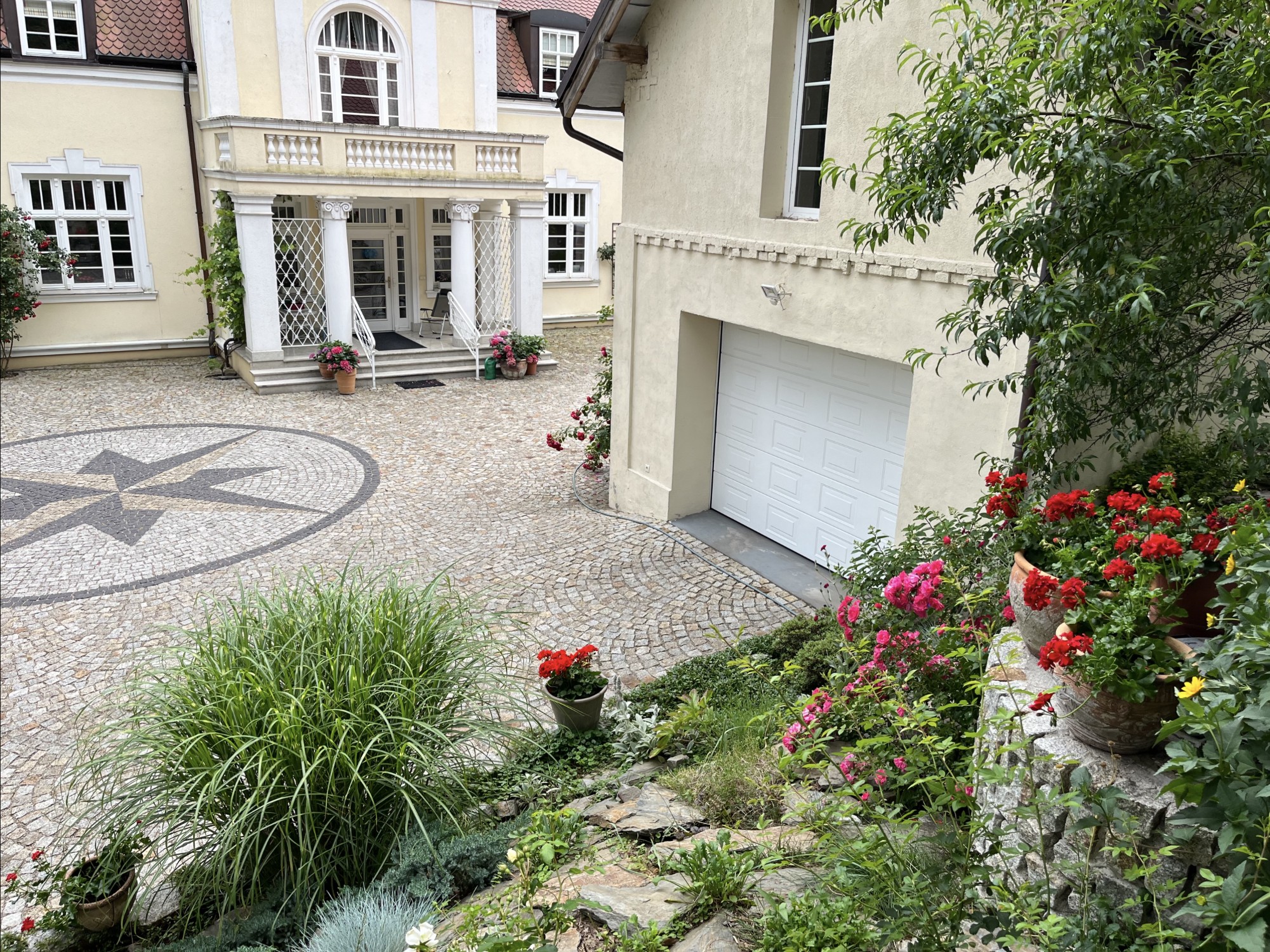
A columned portico with balcony highlights the main entrance. The façades are richly decorated with cornices, pilasters and ornate window surrounds. Above the balcony rises a curved gable adorned with elaborate stucco work and a cartouche.
After the Second World War, the villa was initially used as a school, later serving as the local scouts’ headquarters and eventually as a residential building. By the 1990s, it had fallen into disrepair. In 2007, a private ownership group acquired the property and undertook extensive restoration works.
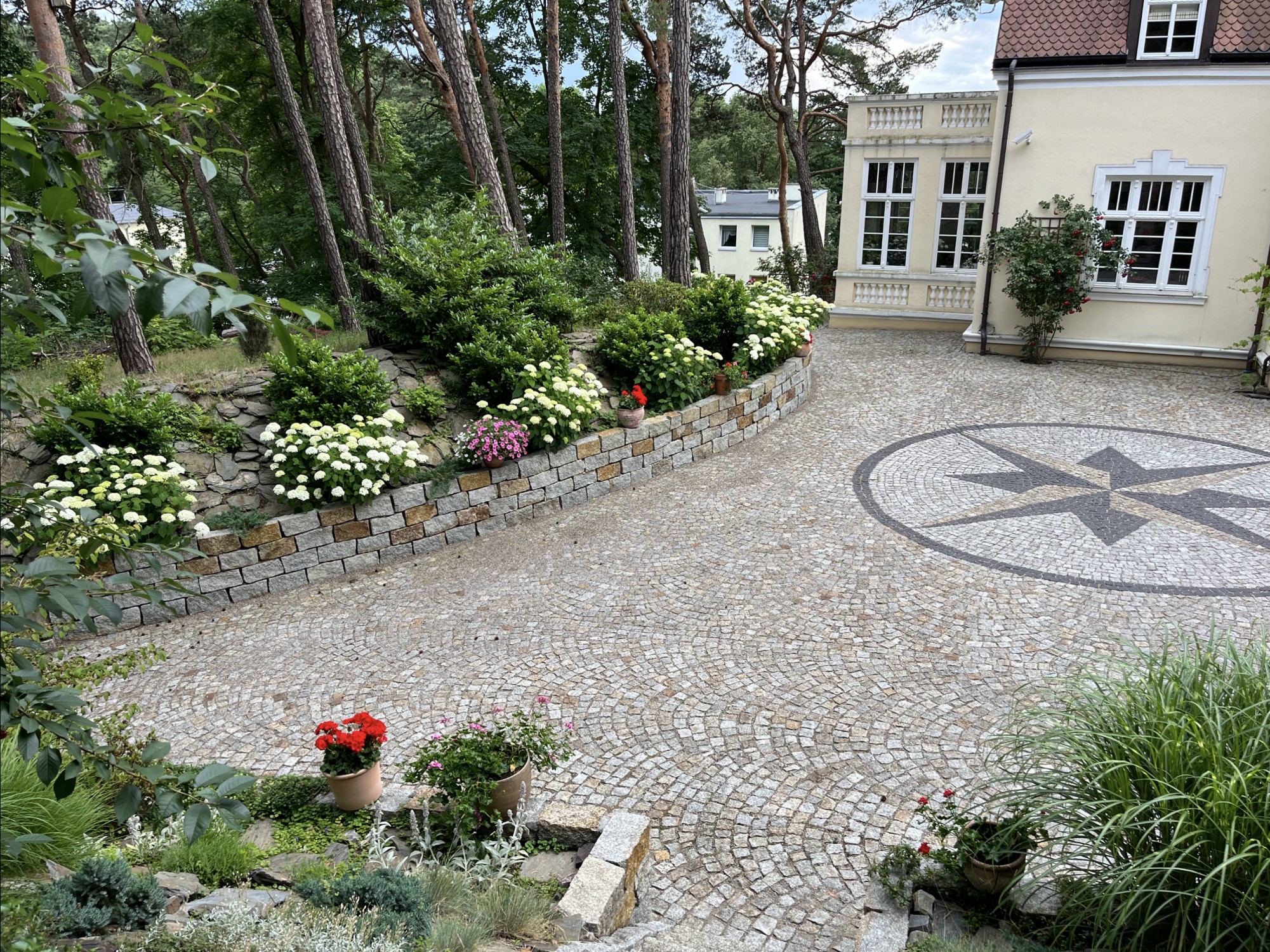
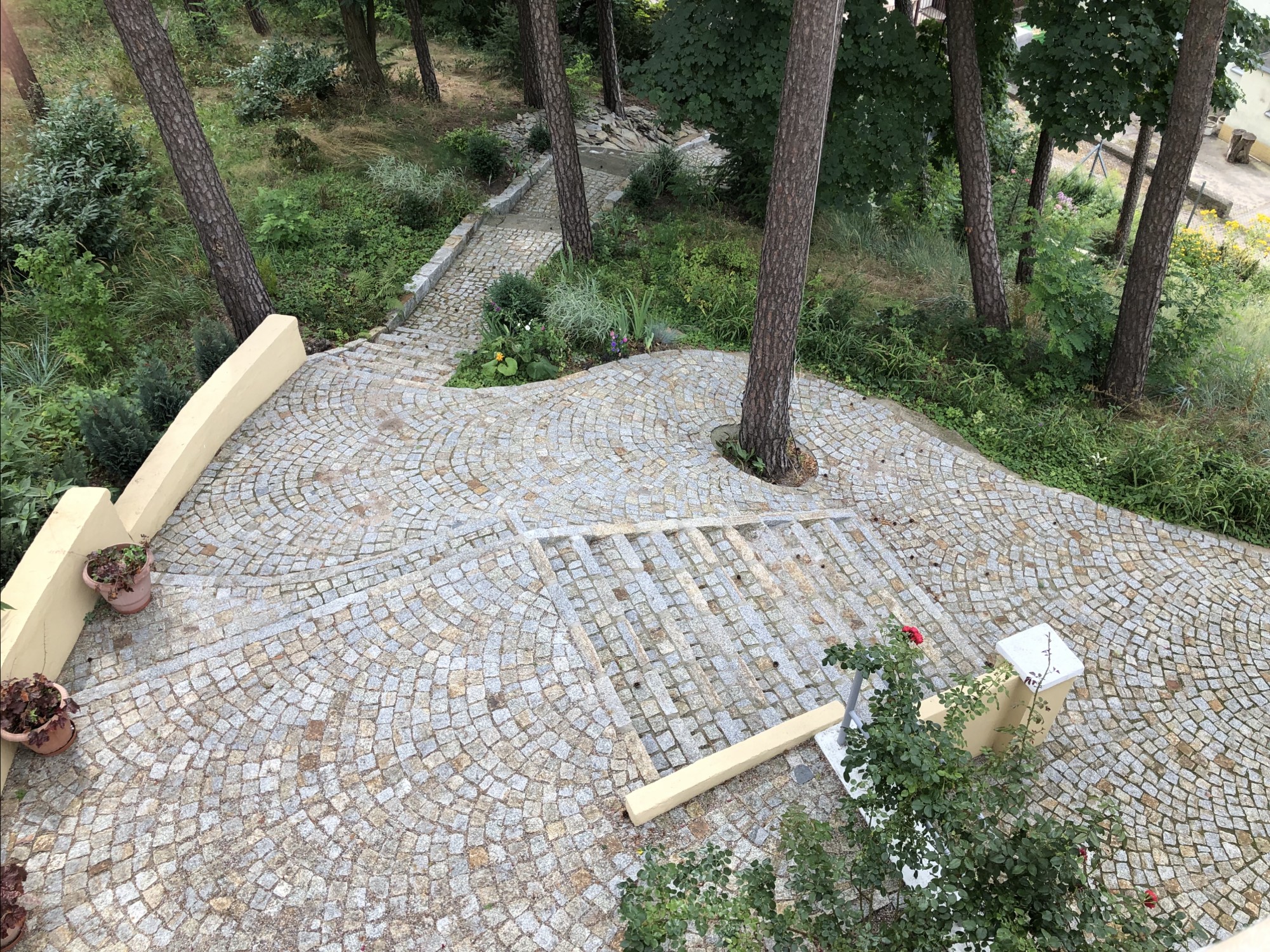
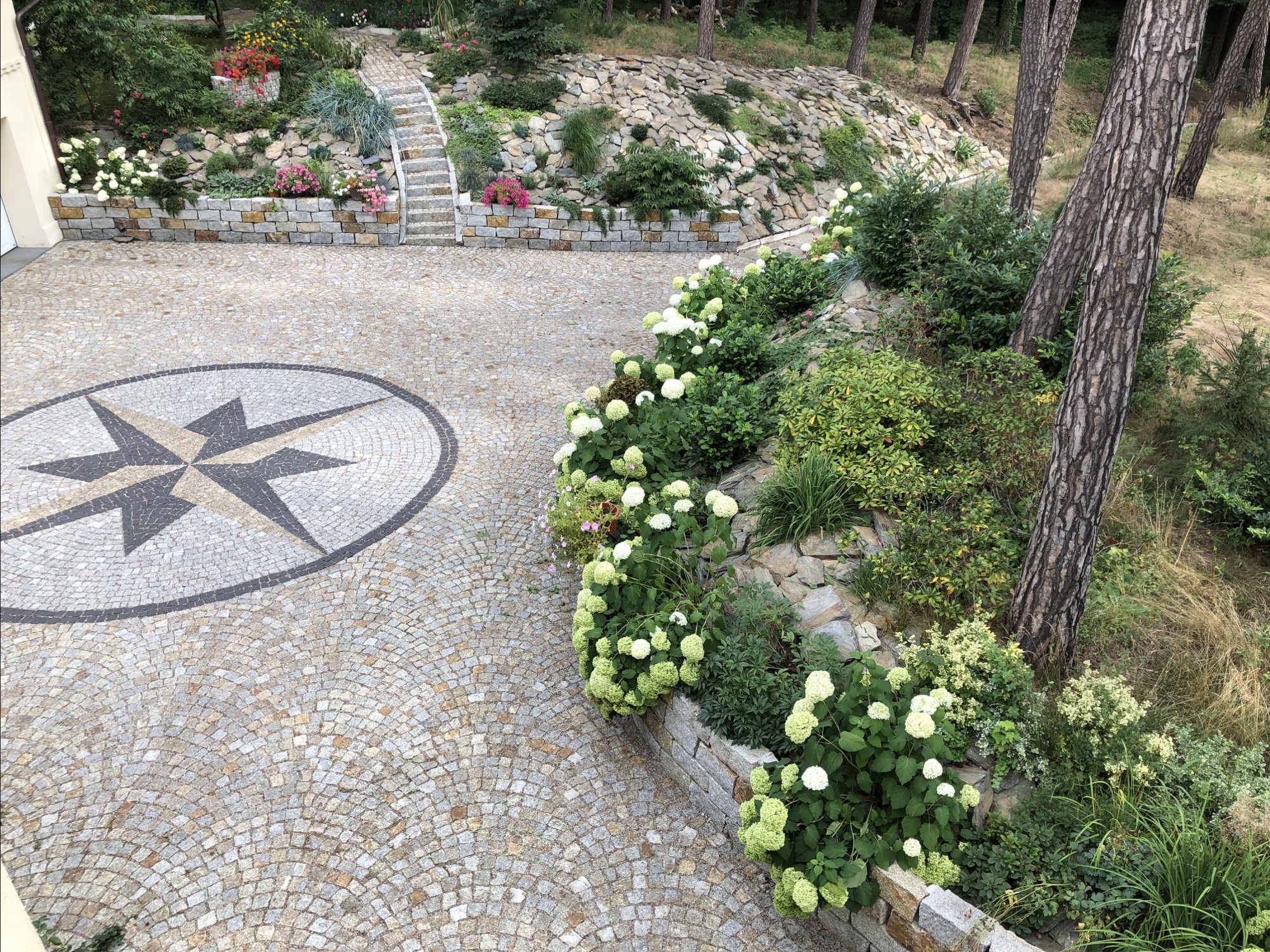
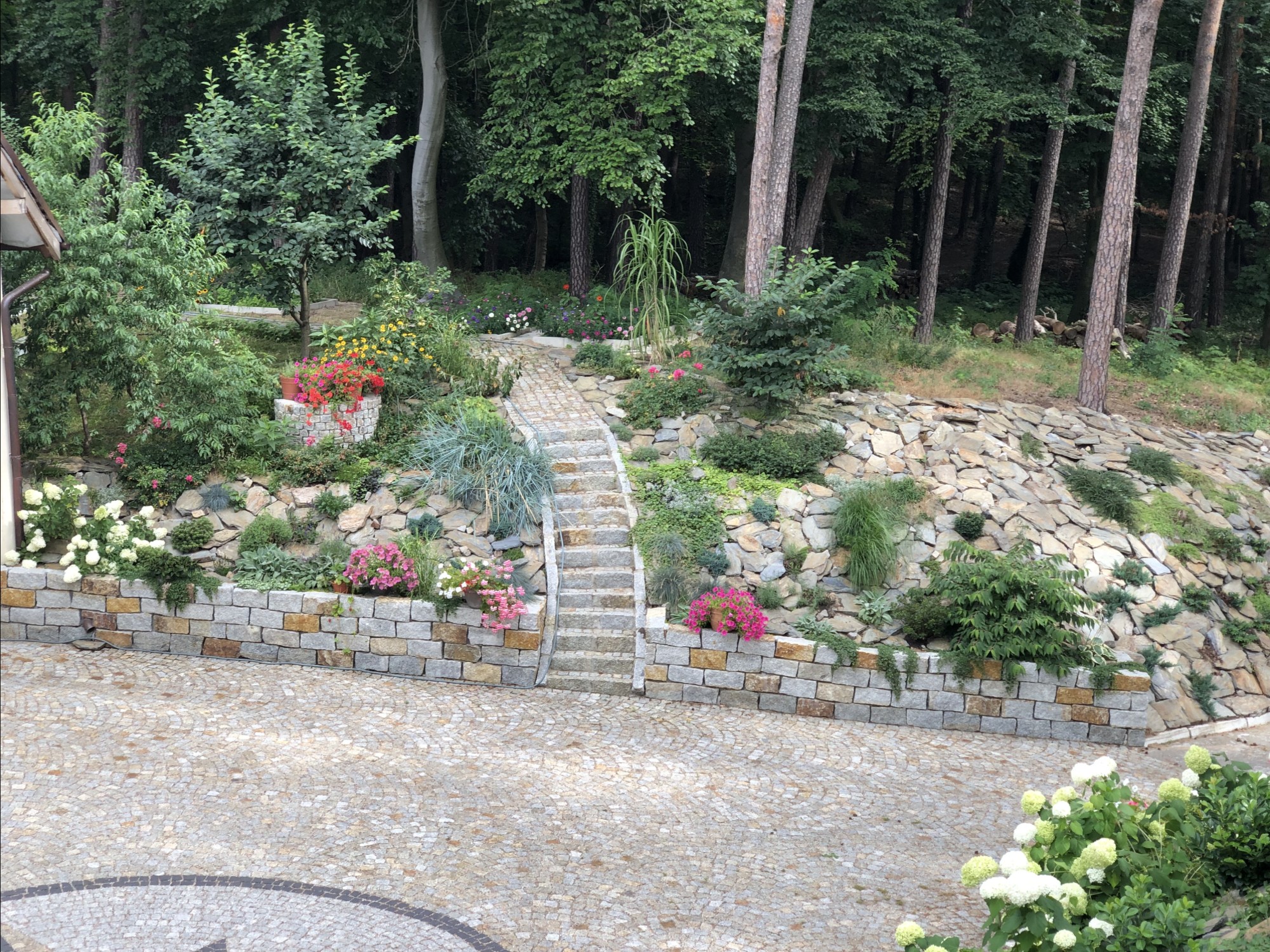
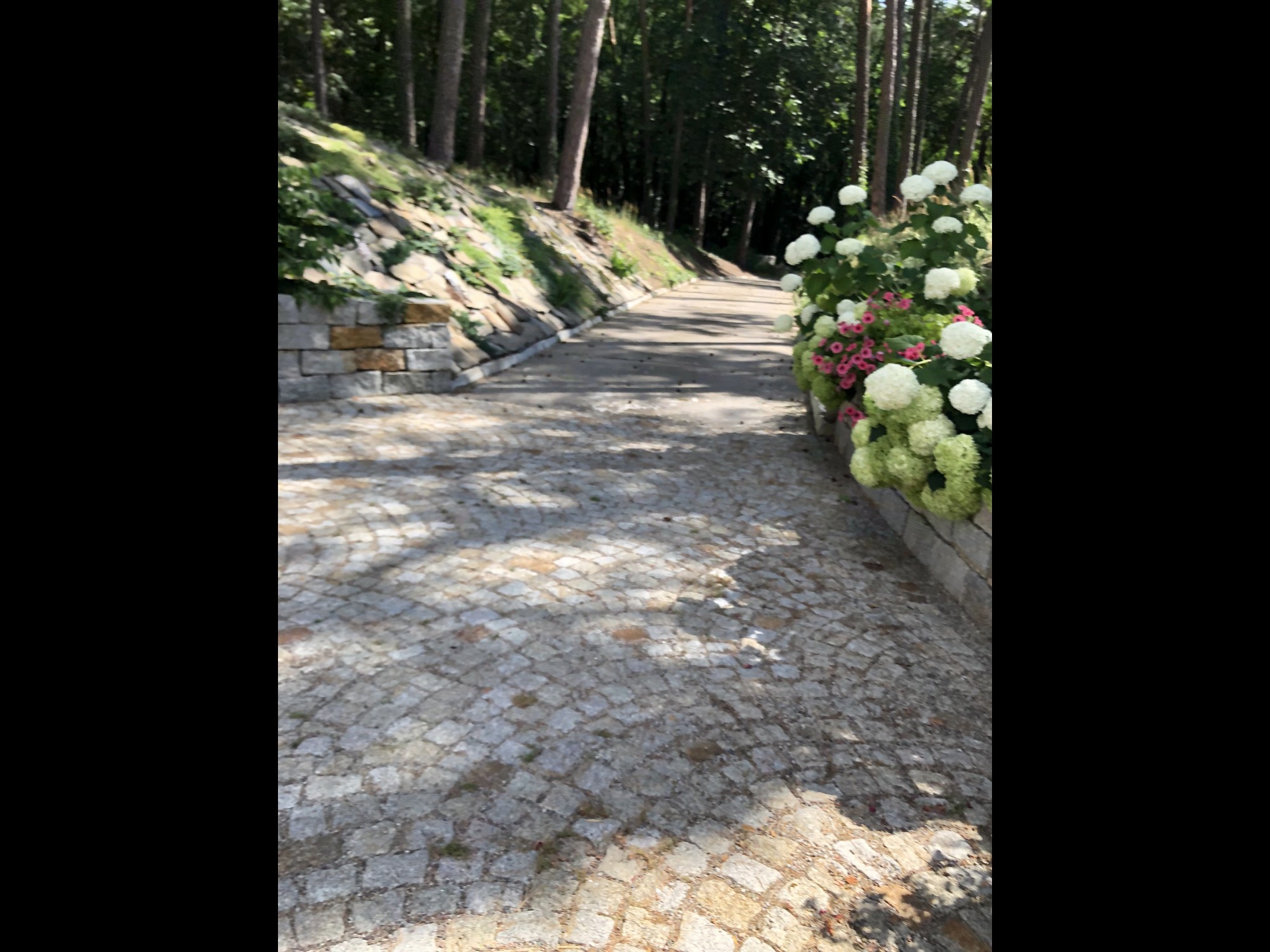
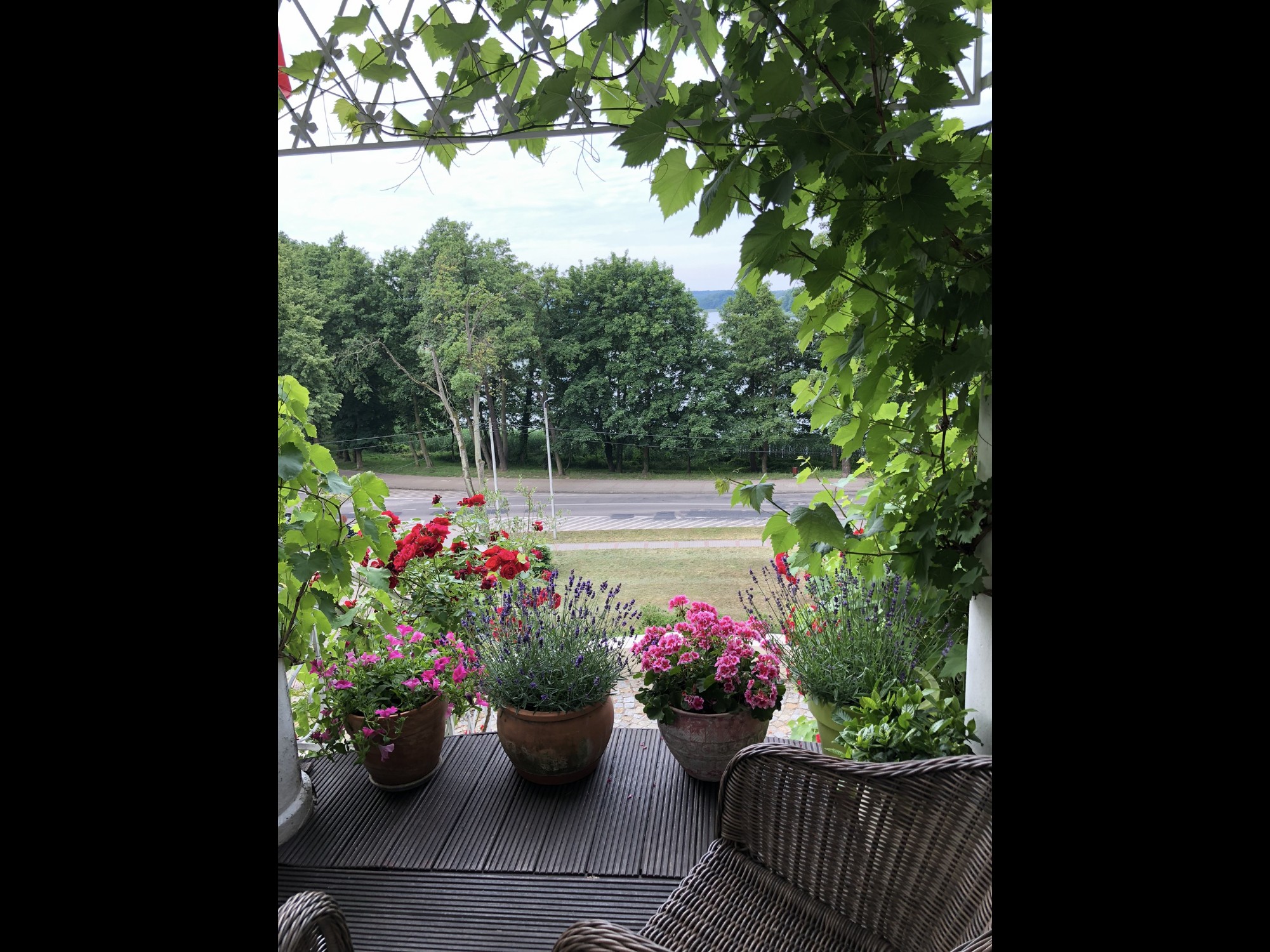
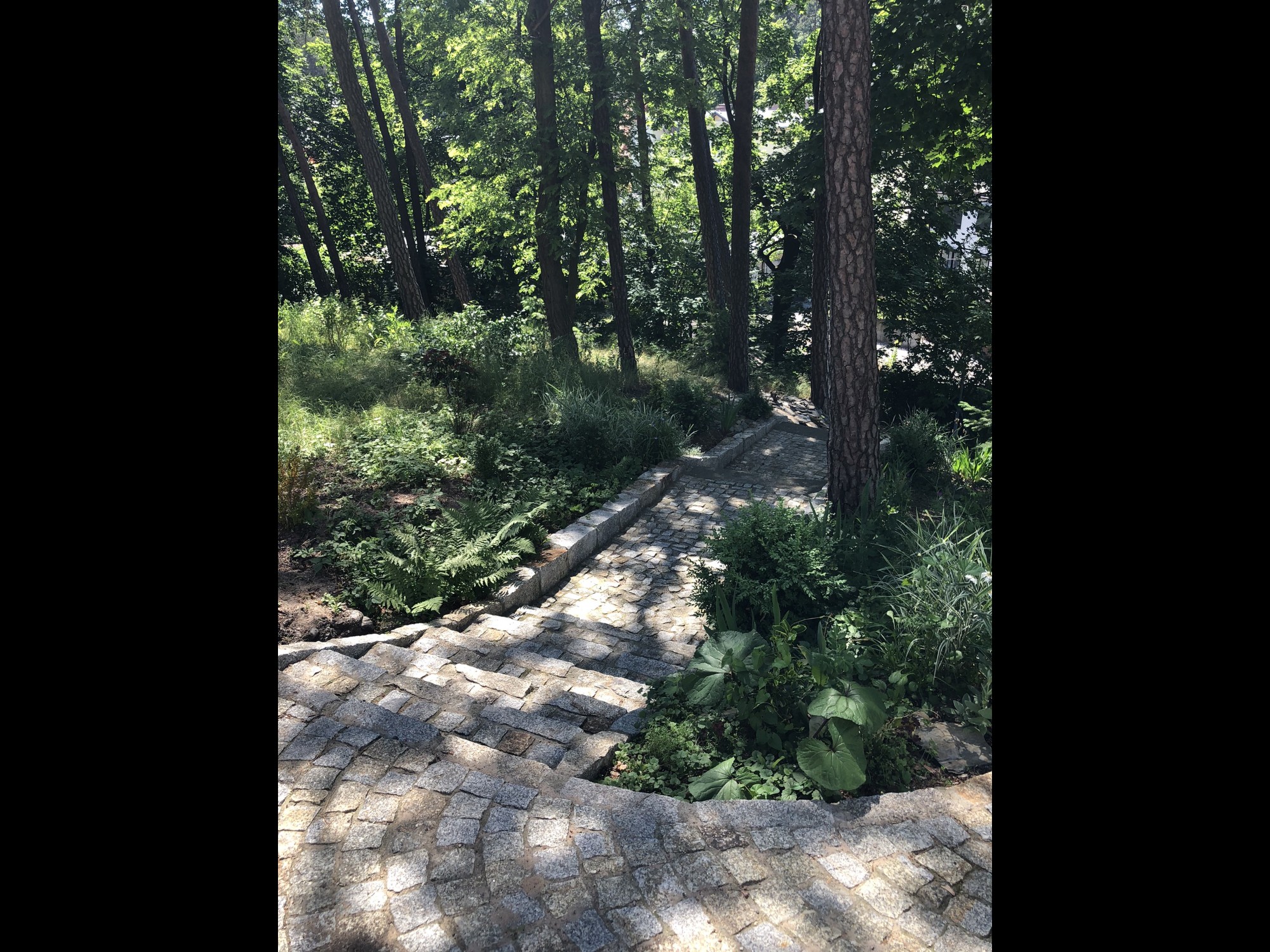
The villa is set within a park-like plot with mature trees, which merges seamlessly into a wooded area at the eastern edge of the town (ul. Strzelecka 23).
Around 1920, Baron von Klitzing is thought to have purchased the villa for his elder sister Käthe zu Rantzau, née von Klitzing. After the death of her husband, she moved to Barlinek with her daughter. A respected figure in town, she was greeted with reverence. The Baron went on to acquire the entire hill and the nearby Klinkenberg behind the property.
During this period, the house became known as the “Klitzing Villa” – a name that appears in a handwritten note to the town administration. Old postcards also refer to it as the “Villa by the Lakeshore”. However, its original name, “Villa Dülfer”, remains a tribute to its notable architect.
The German border (Schwedt/Oder) is approximately 80 km away.