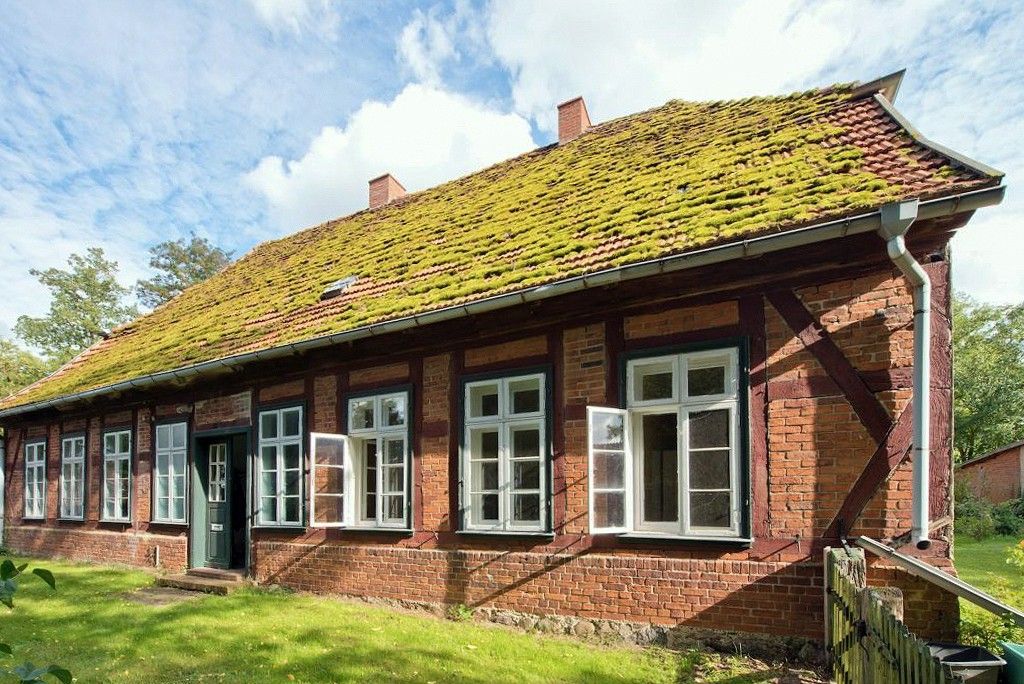
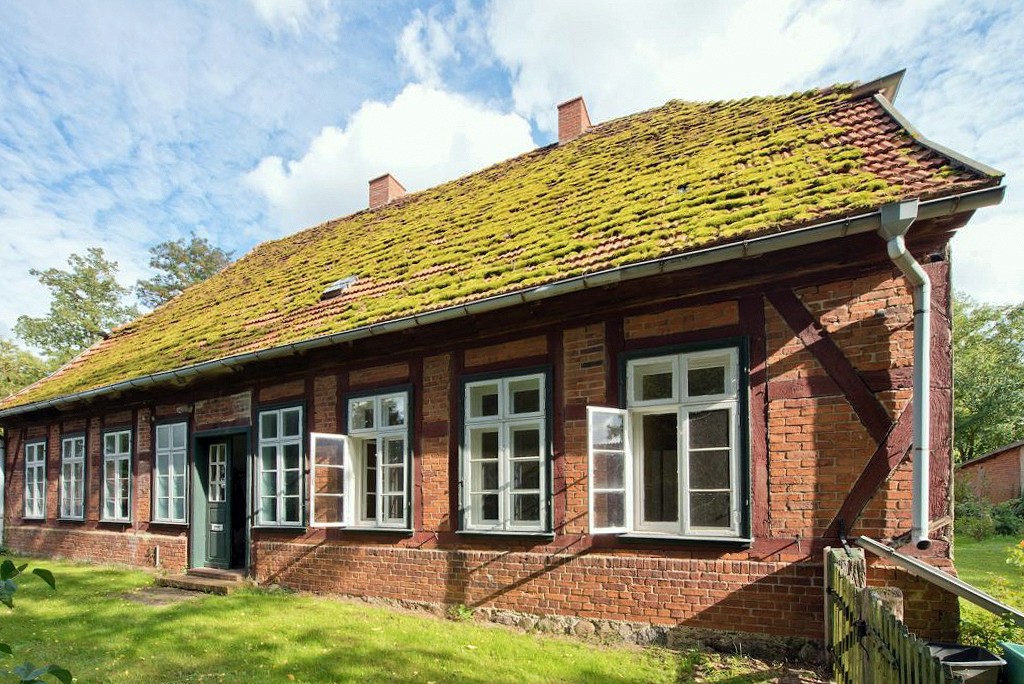
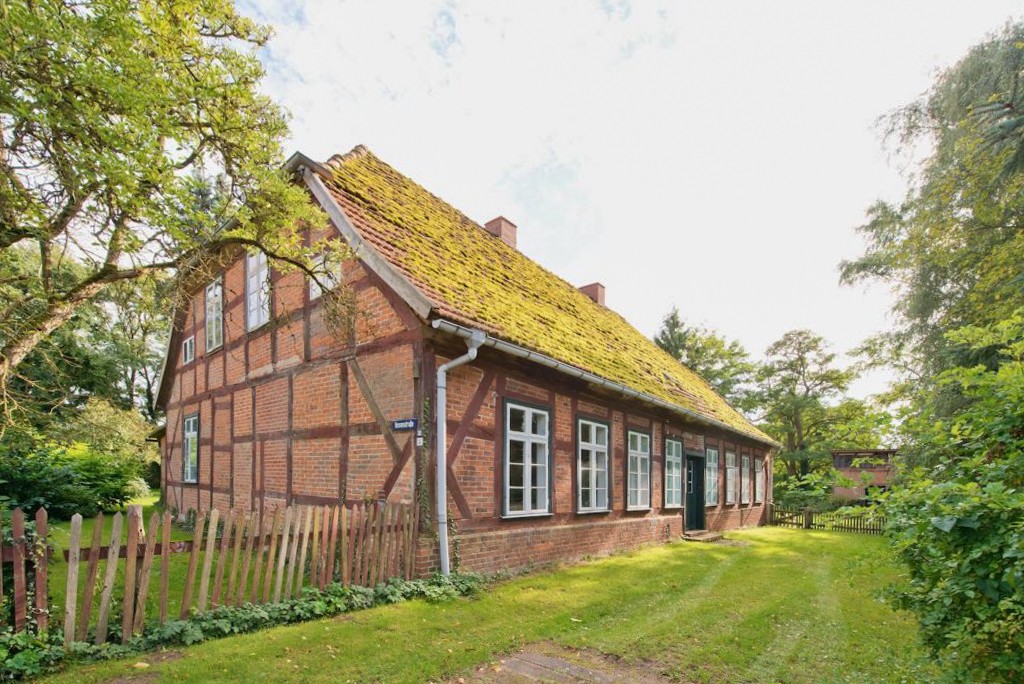
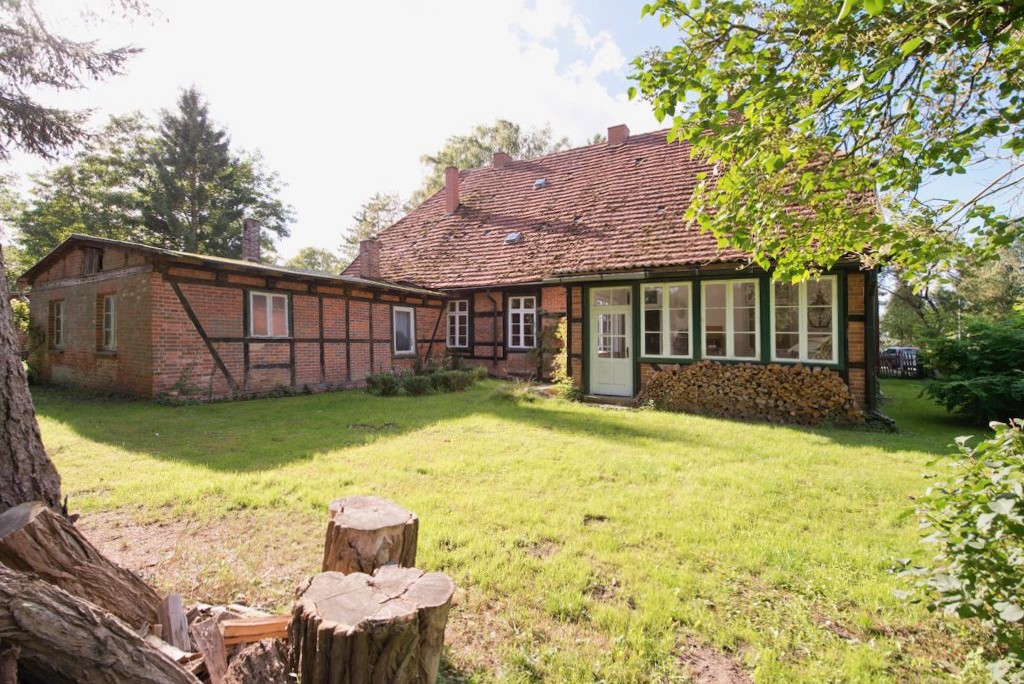
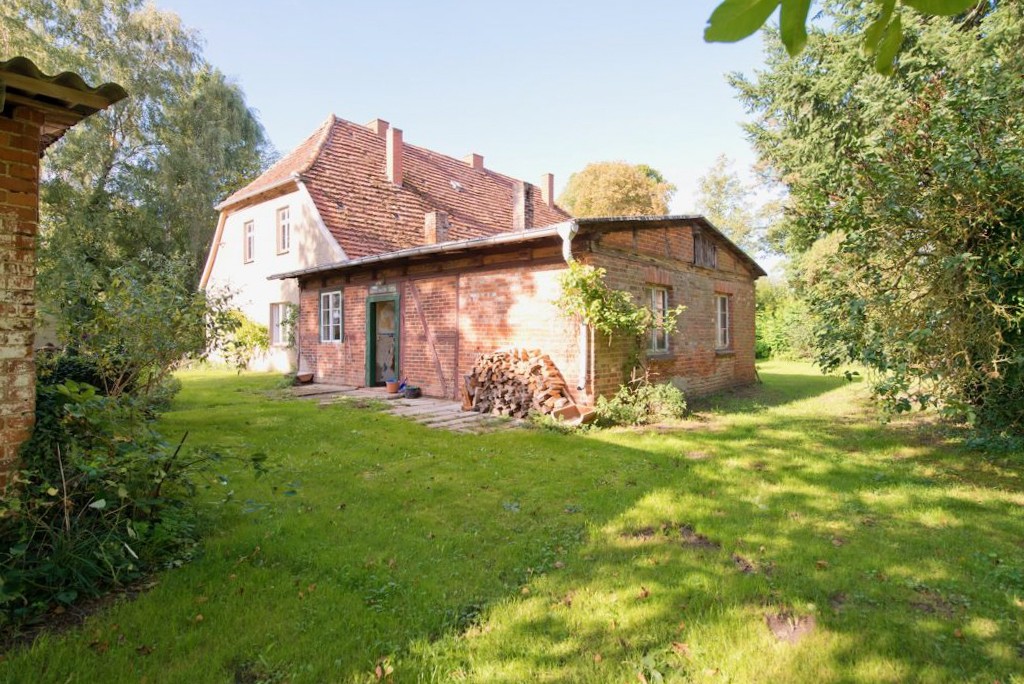
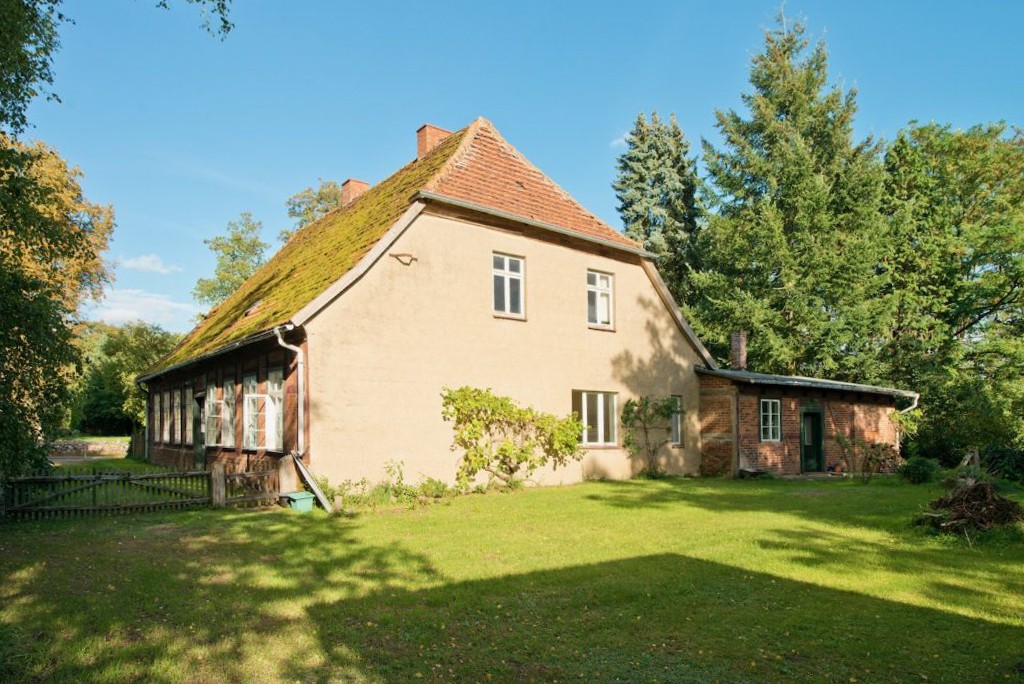
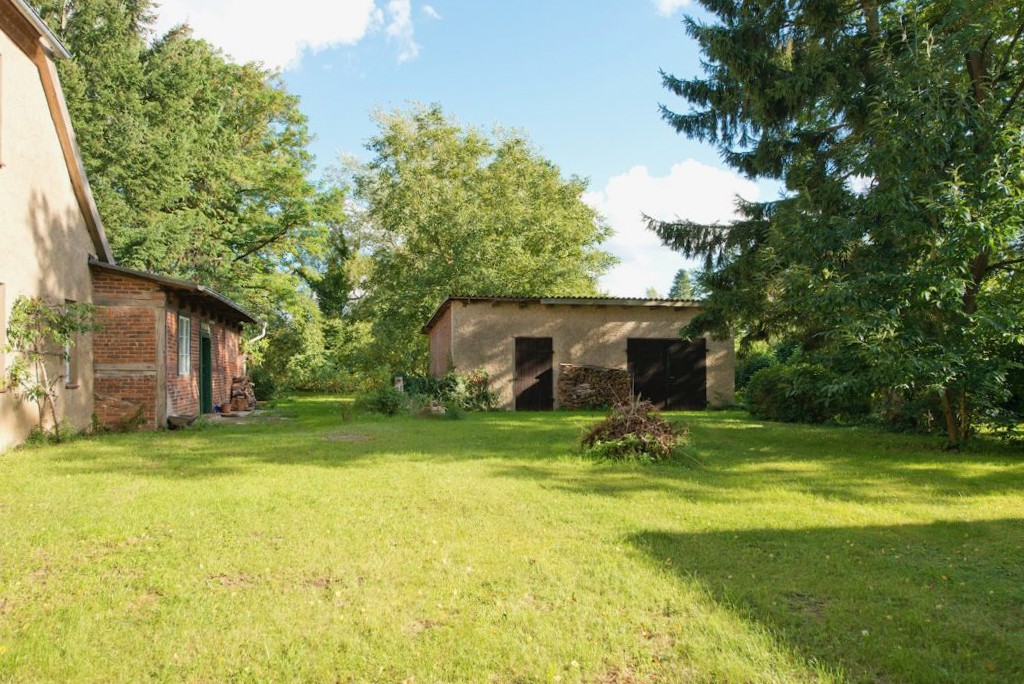
This charming parish house from 1800 is located in the historic village of Kreien, 6 km south of Lübz and 17 km west of Plau am See, in Mecklenburg-Vorpommern, Germany. The village was acquired by the Stepenitz monastery in the 13th century and later came under ducal administration following the secularisation of monastic estates in the 16th century.
History & Architecture
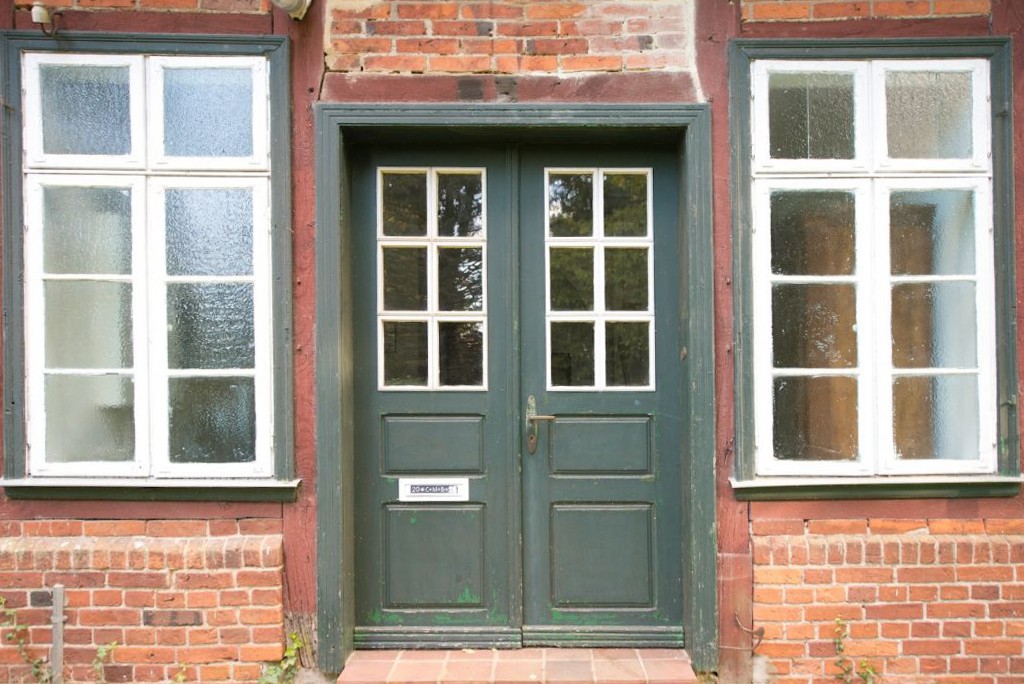
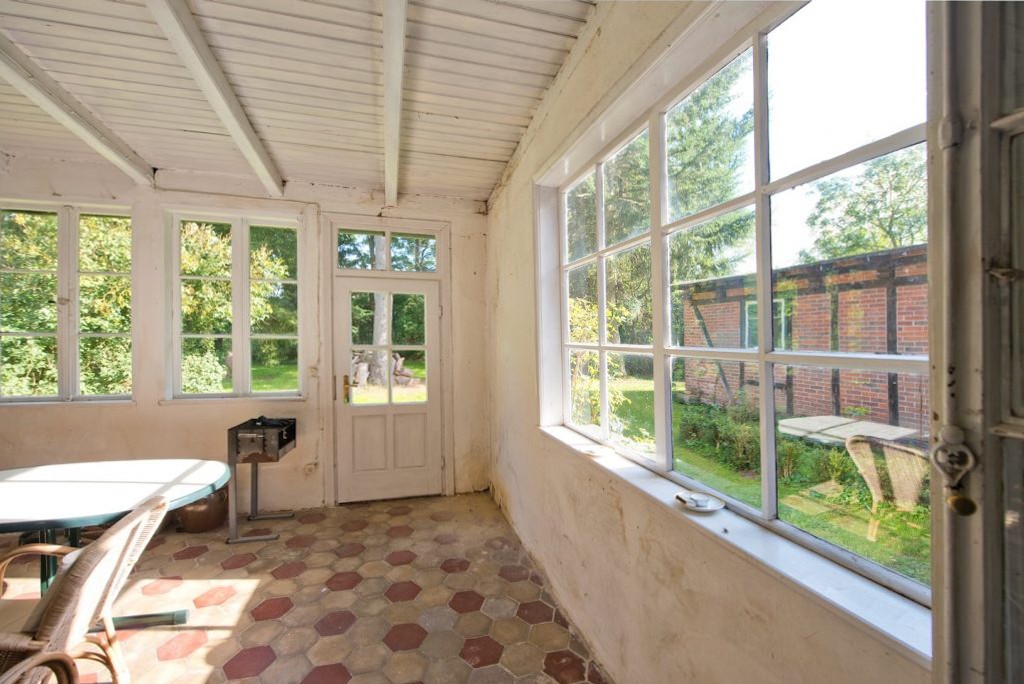
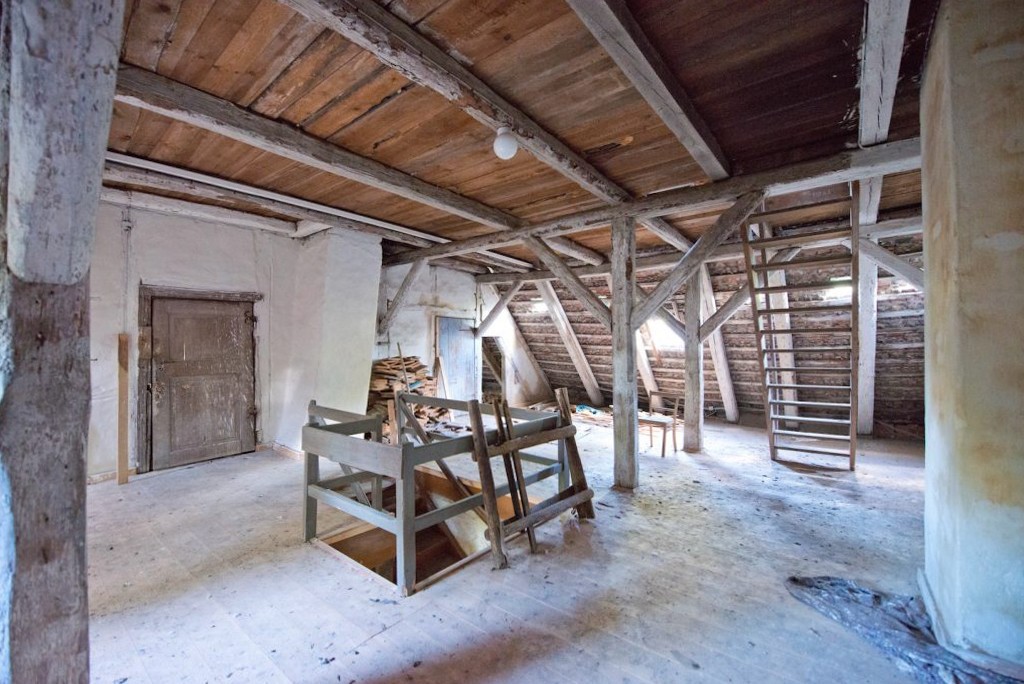
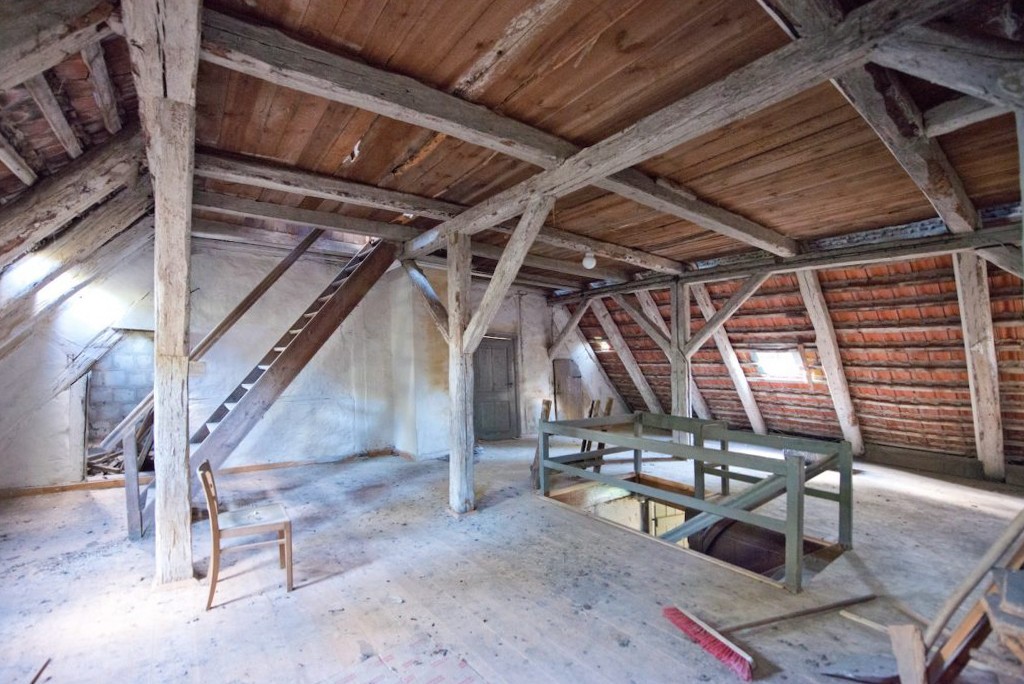
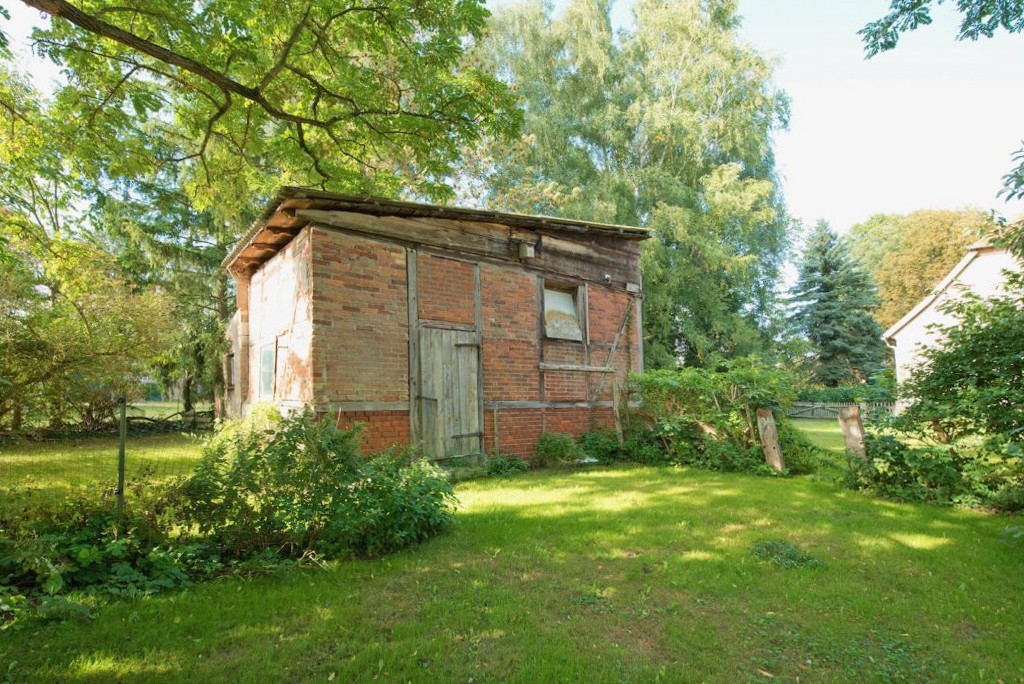
The parish house was rebuilt in 1800 under the initiative of the then parish priest, Adolf Gottlieb Susemihl, with timber from the Woostener Heide forest. The property retains much of its original character, with a partially vaulted cellar, timber-frame construction and a small winter garden added around 1910. The adjoining barn dates from the 19th century, reflecting the traditional small-scale farming conducted by priests of that era.
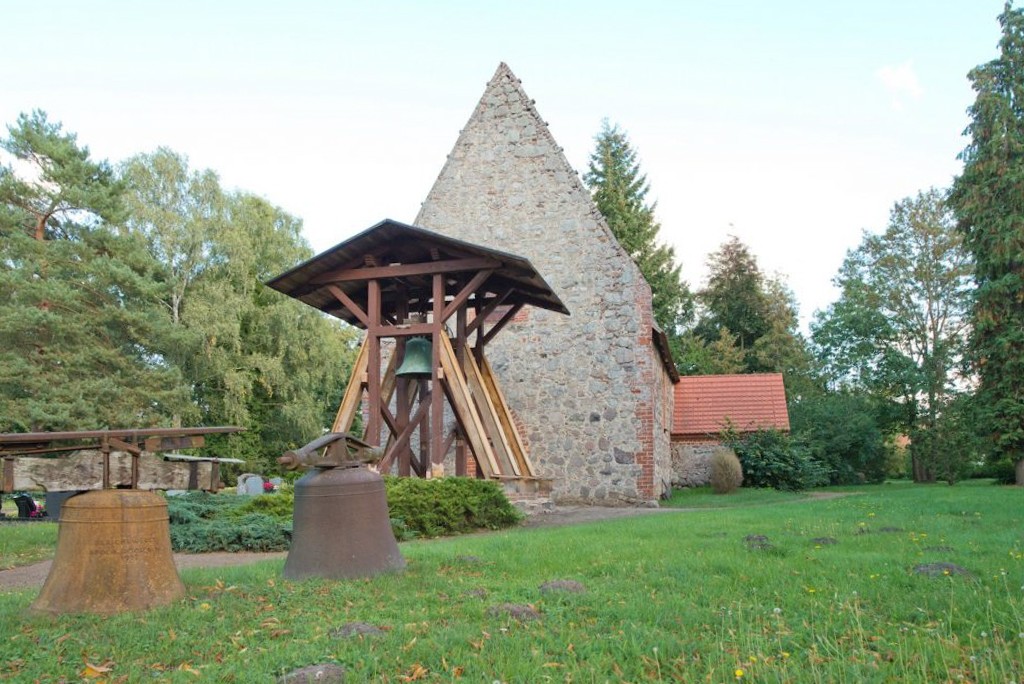
The local church, a Gothic structure built from quarried stone with flat gables to the east and west, remains nearby. There is no separation between the nave and the chancel, and the building lacks a tower, as described by Prof. Schlie in The Art and Historic Monuments of Mecklenburg (1901).
Recent Renovations
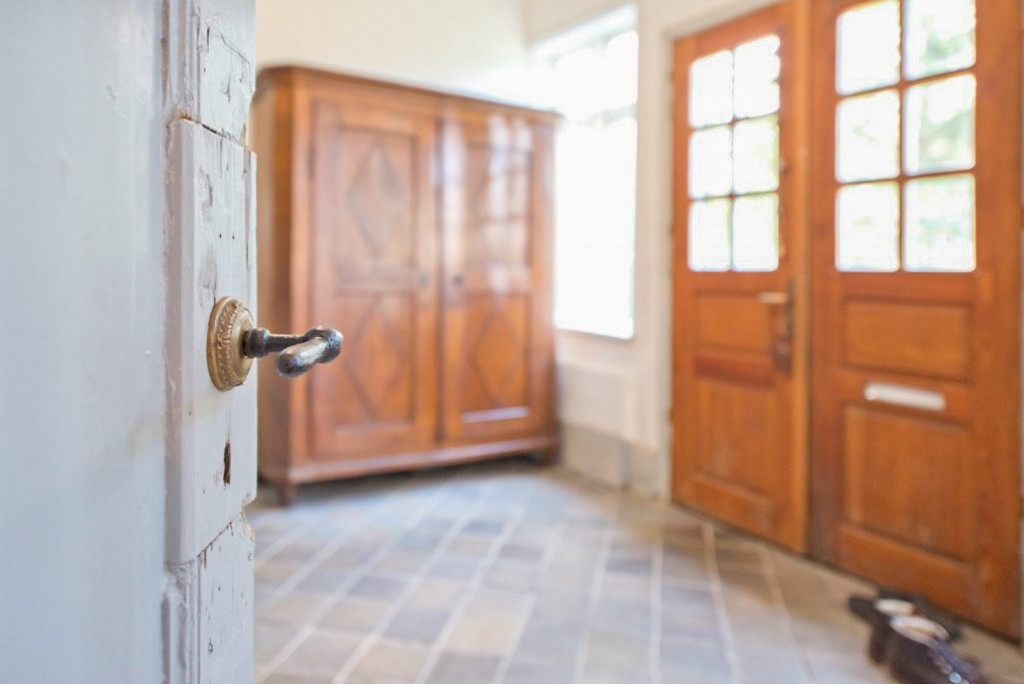
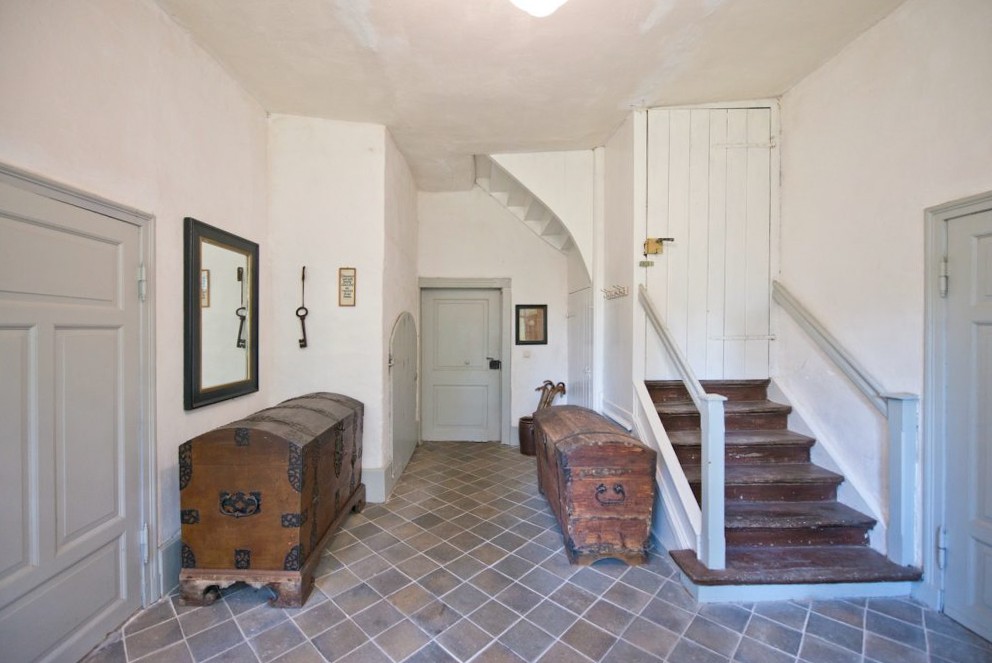
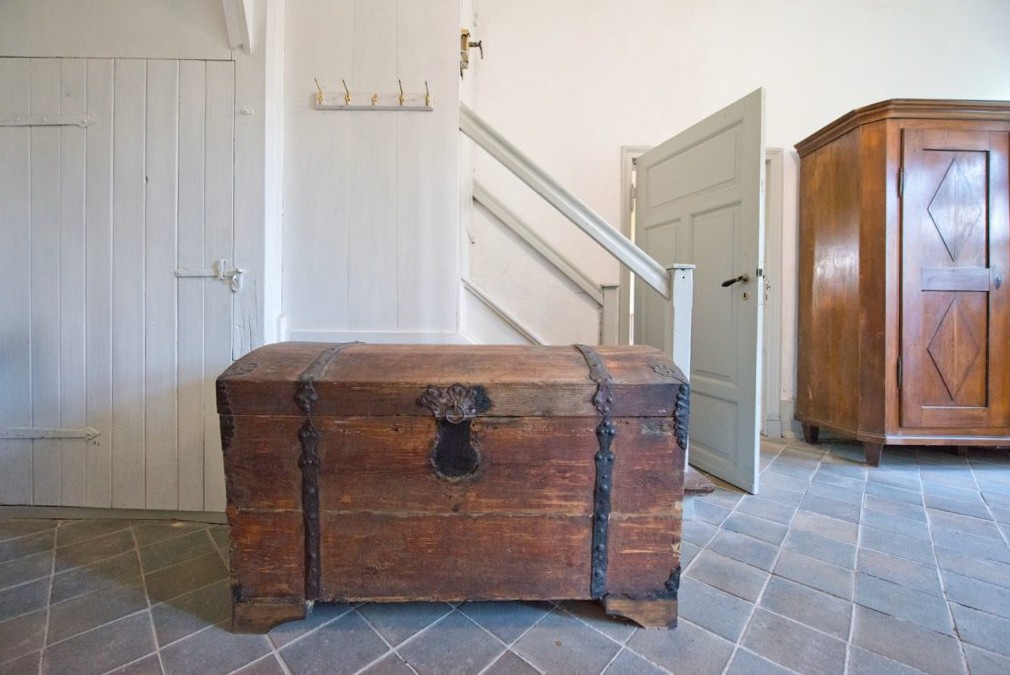
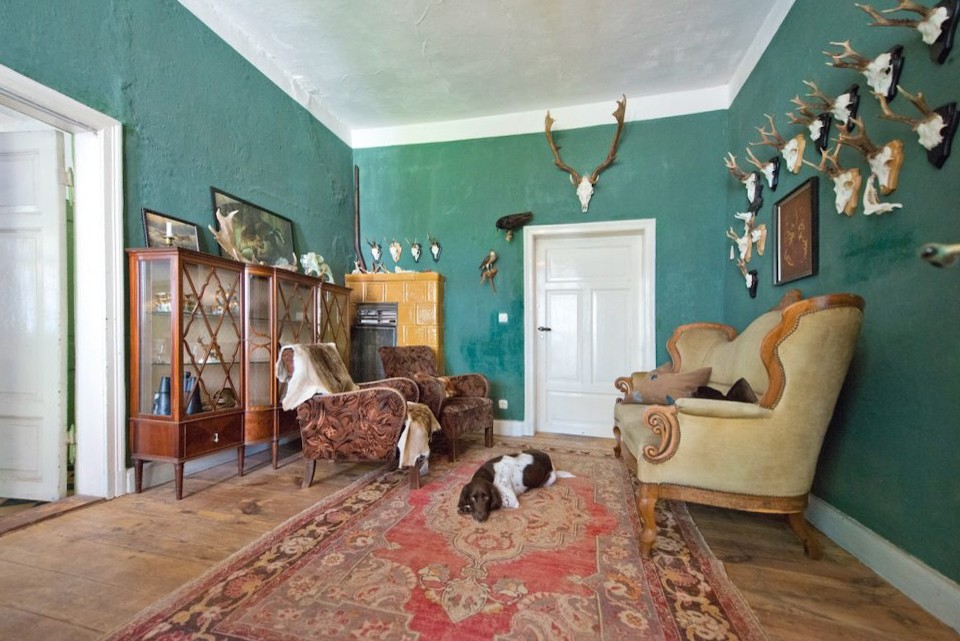
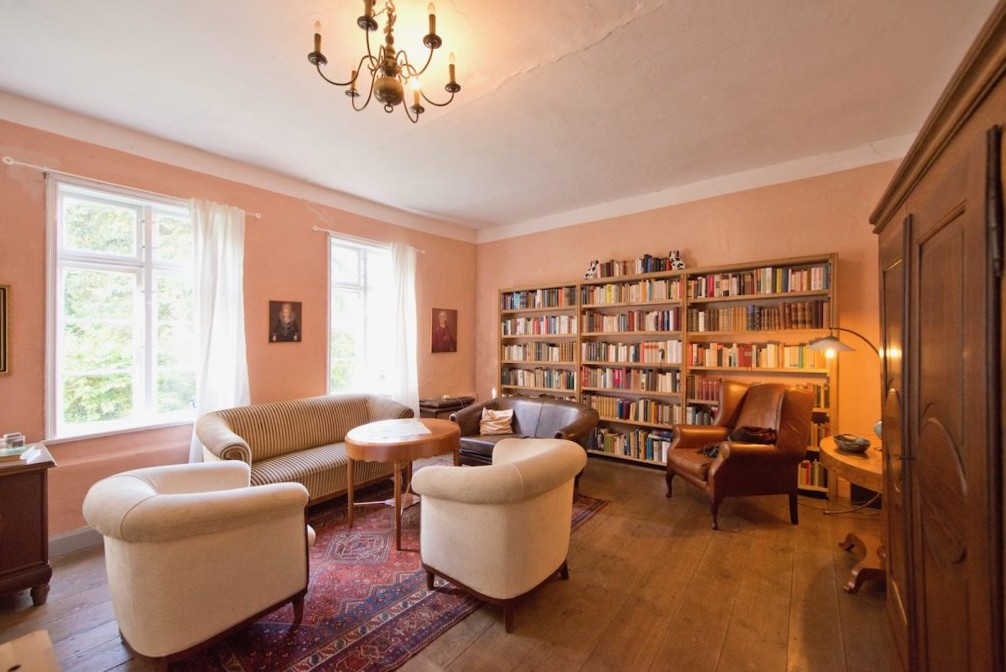
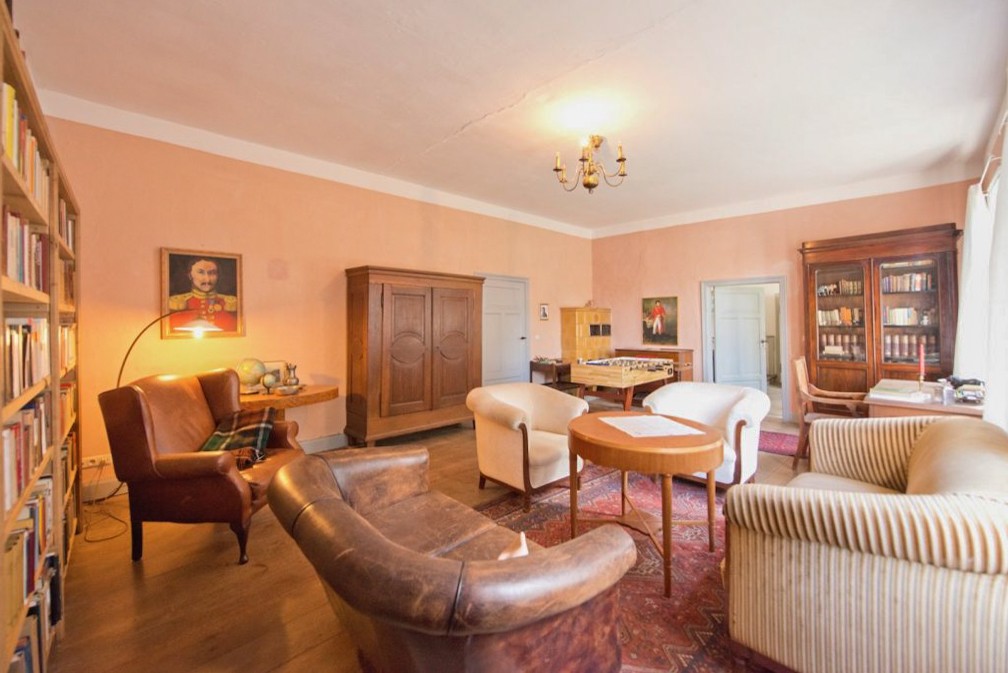
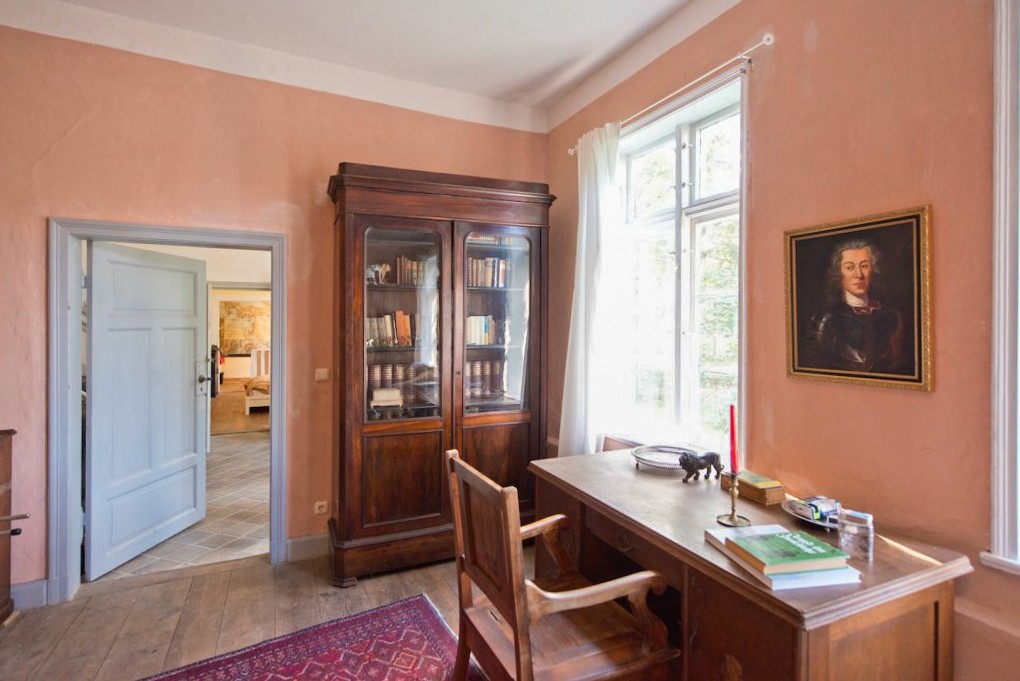
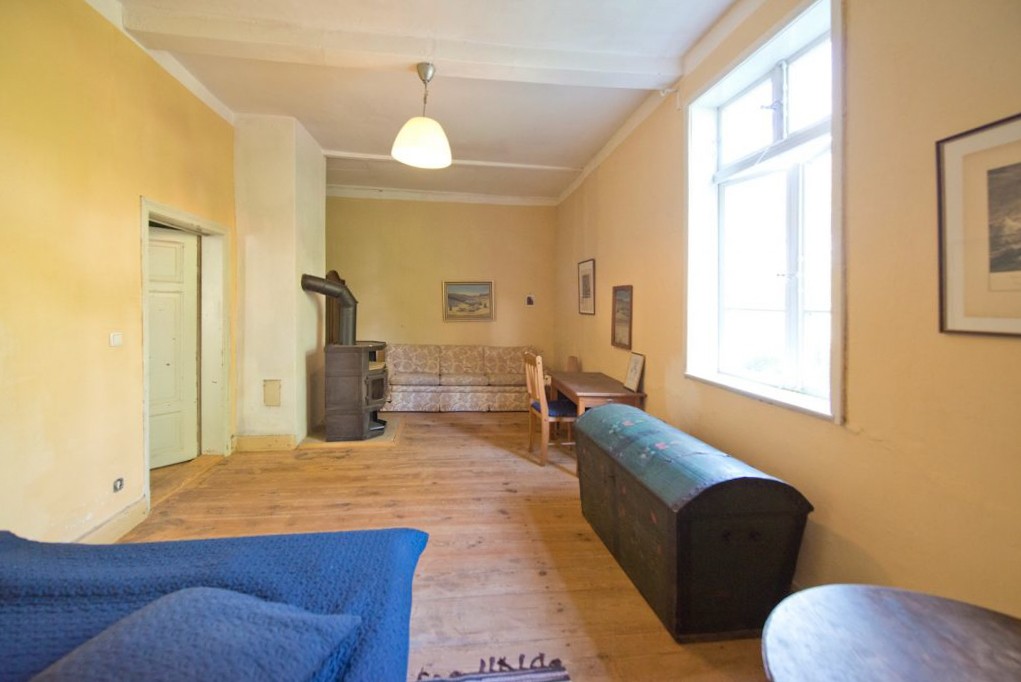
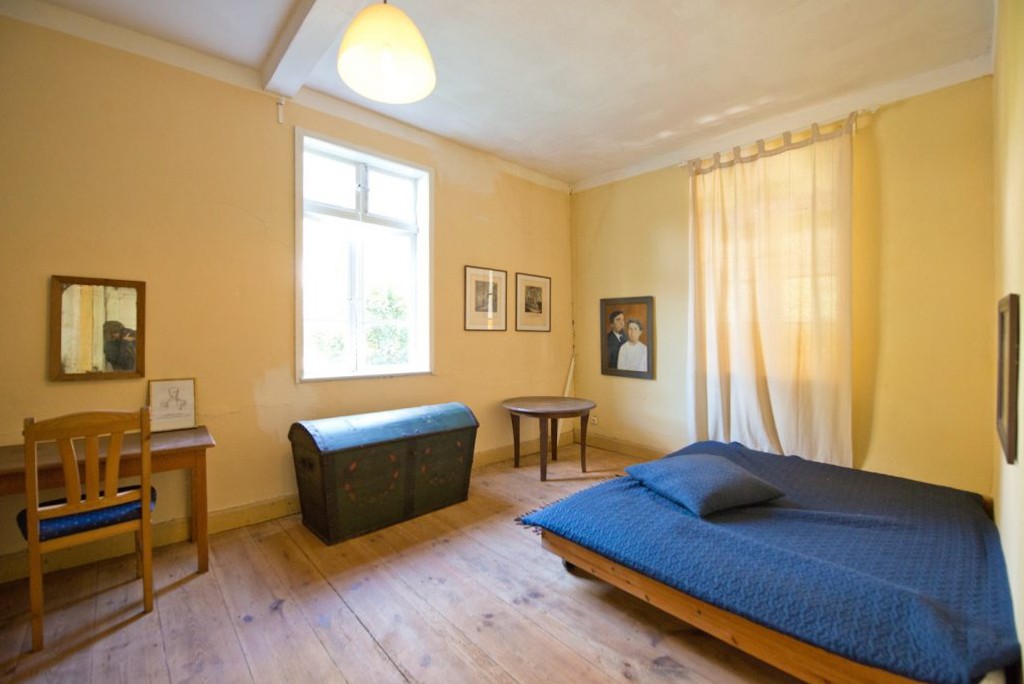
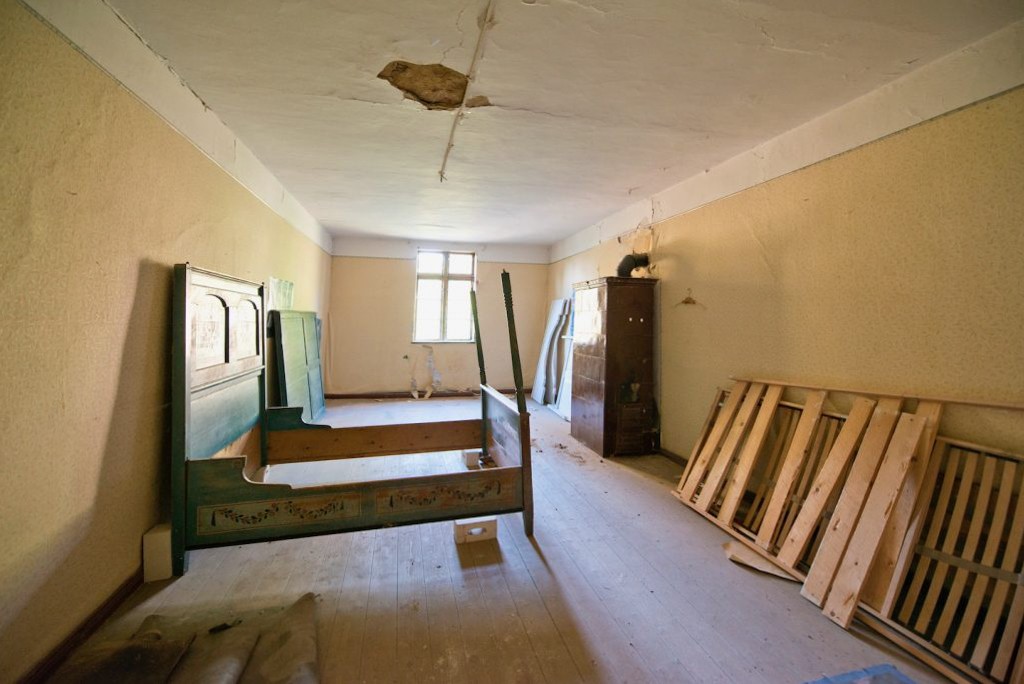
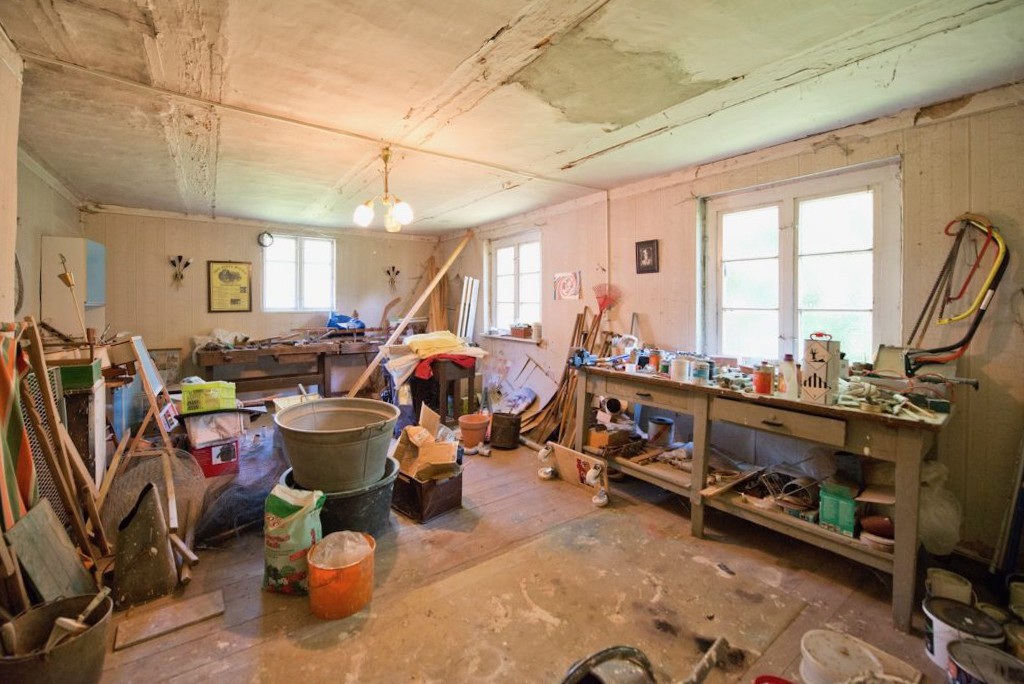
In 2012, the property was separated from the church. The new owner undertook essential restoration work, including rebuilding chimney stacks, renewing sections of the timber framework, and modernising the electrical system. The interior has been preserved with minimal alteration, maintaining the impression of “the good old days.”
Living Space & Features
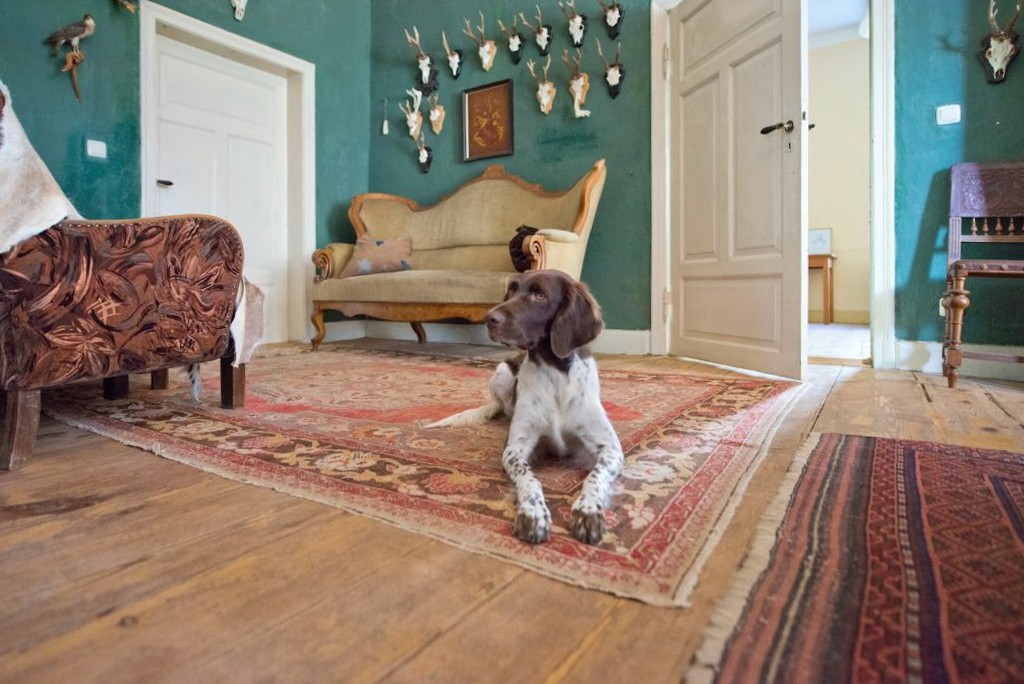
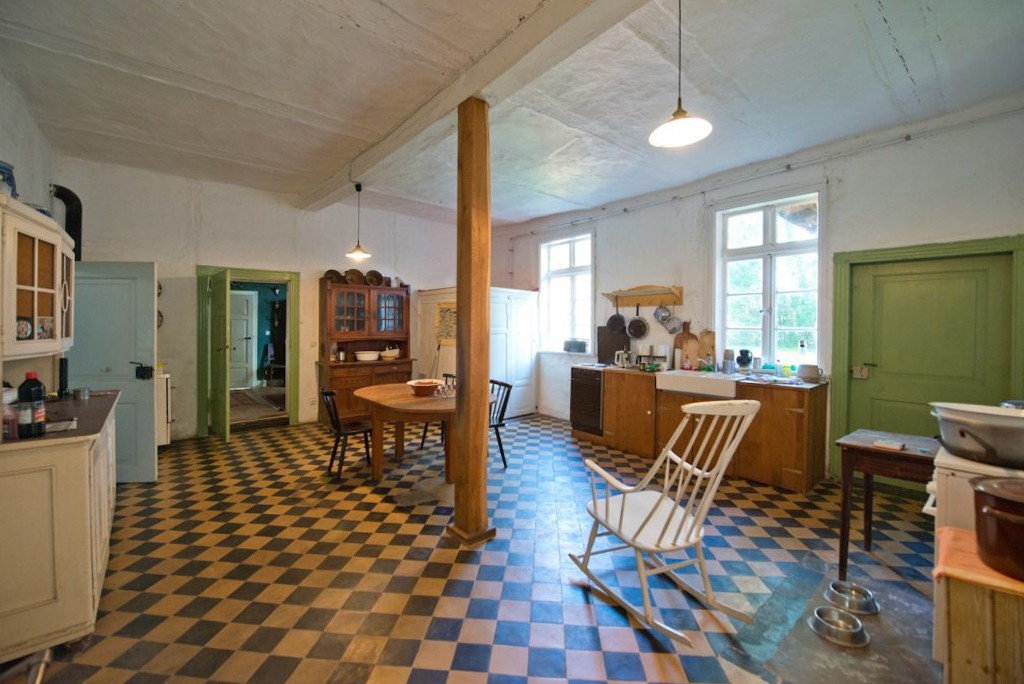
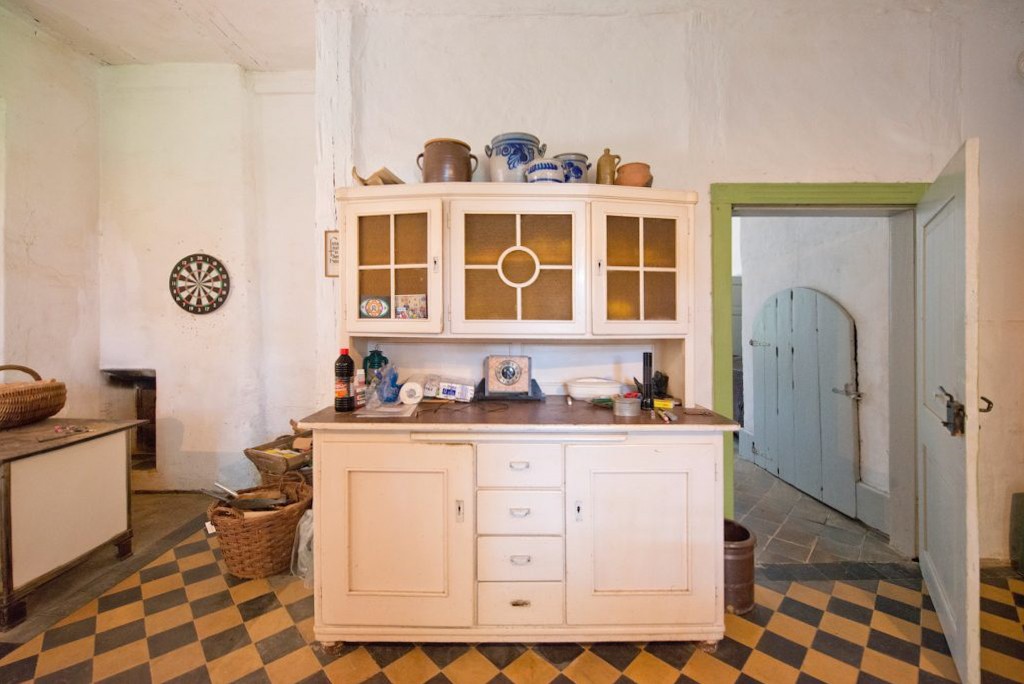
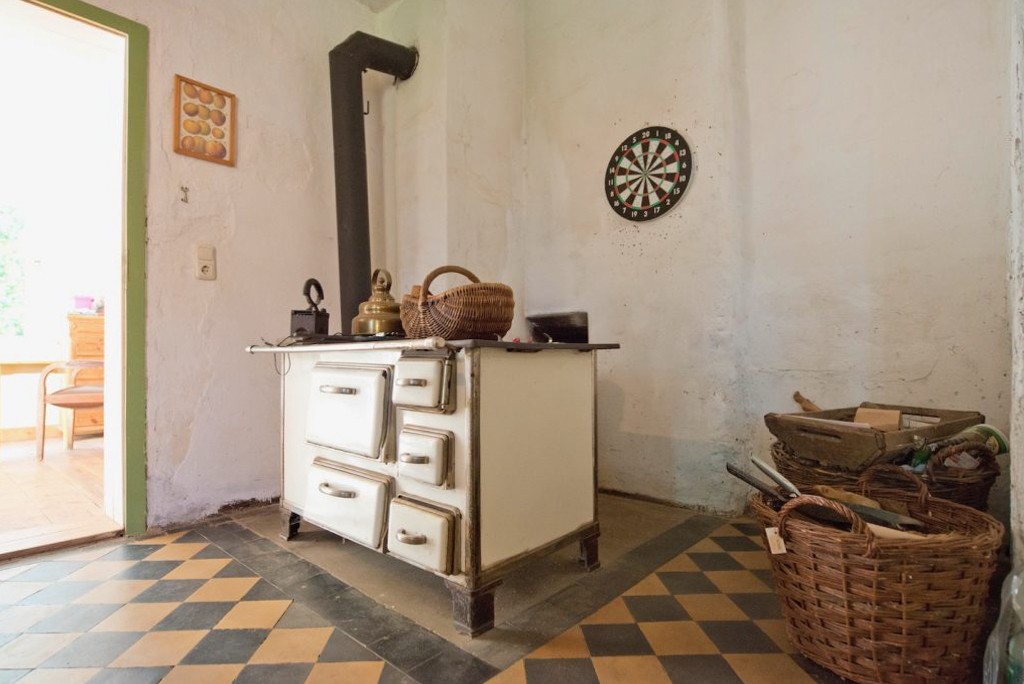
The house is partly basemented with a partially converted attic. Heating is provided via traditional tiled stoves. Beautiful wooden floorboards and some original tiles remain throughout. A large kitchen forms the heart of the home. Wastewater is collected in a sealed septic tank.
Grounds & Location
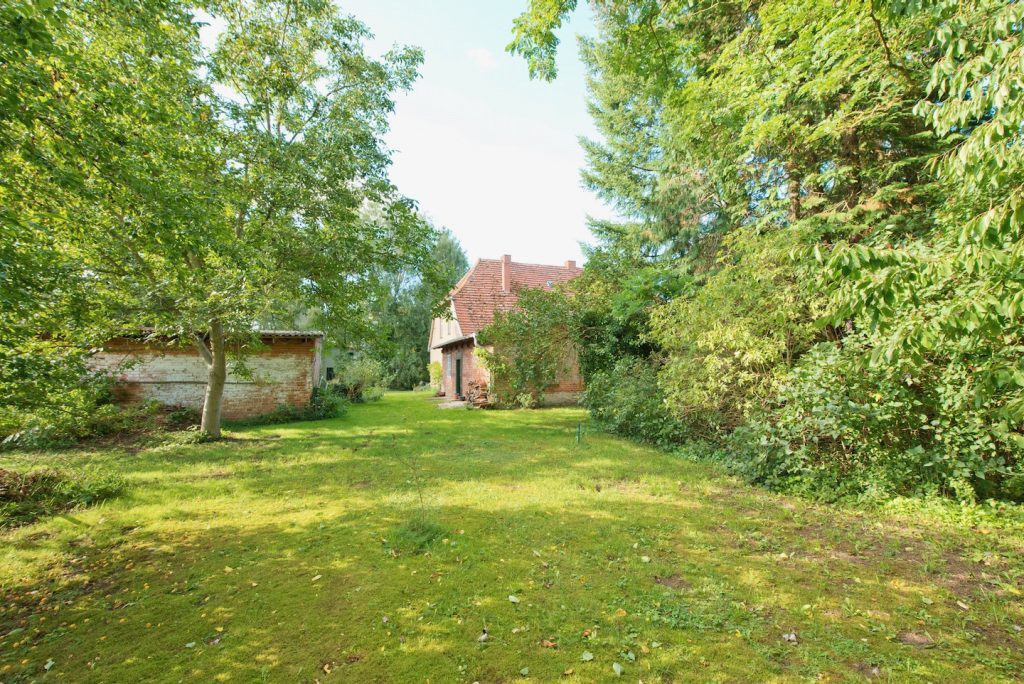
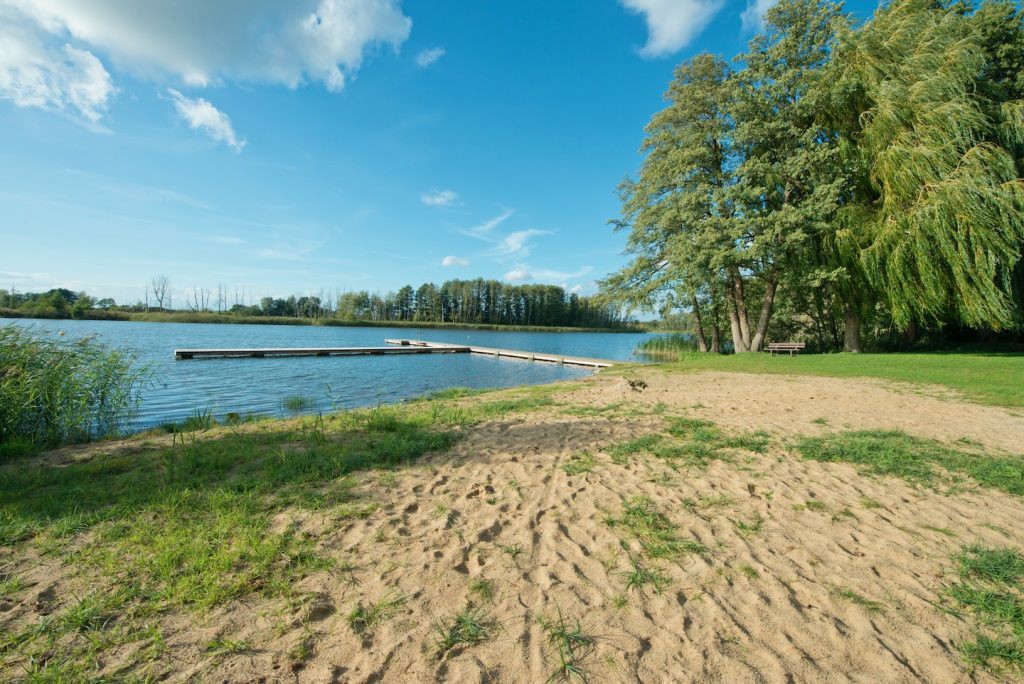
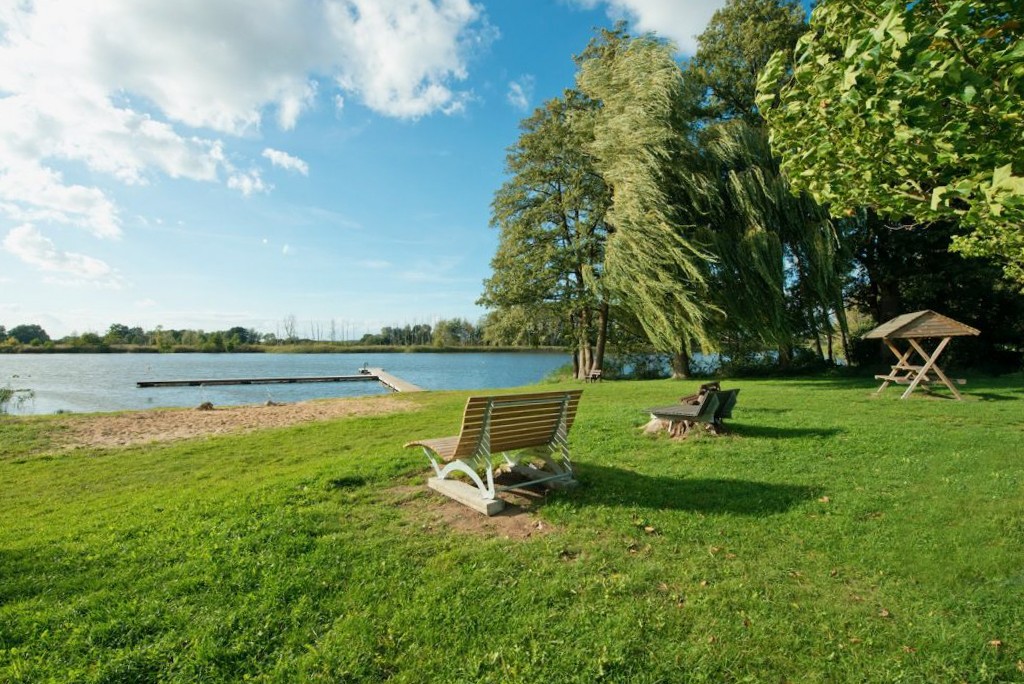
The property includes a variety of fruit trees and a vegetable garden. The Kreiener Lake, complete with a jetty and bathing area, is only 500 metres away as the crow flies, offering a serene waterside retreat.